
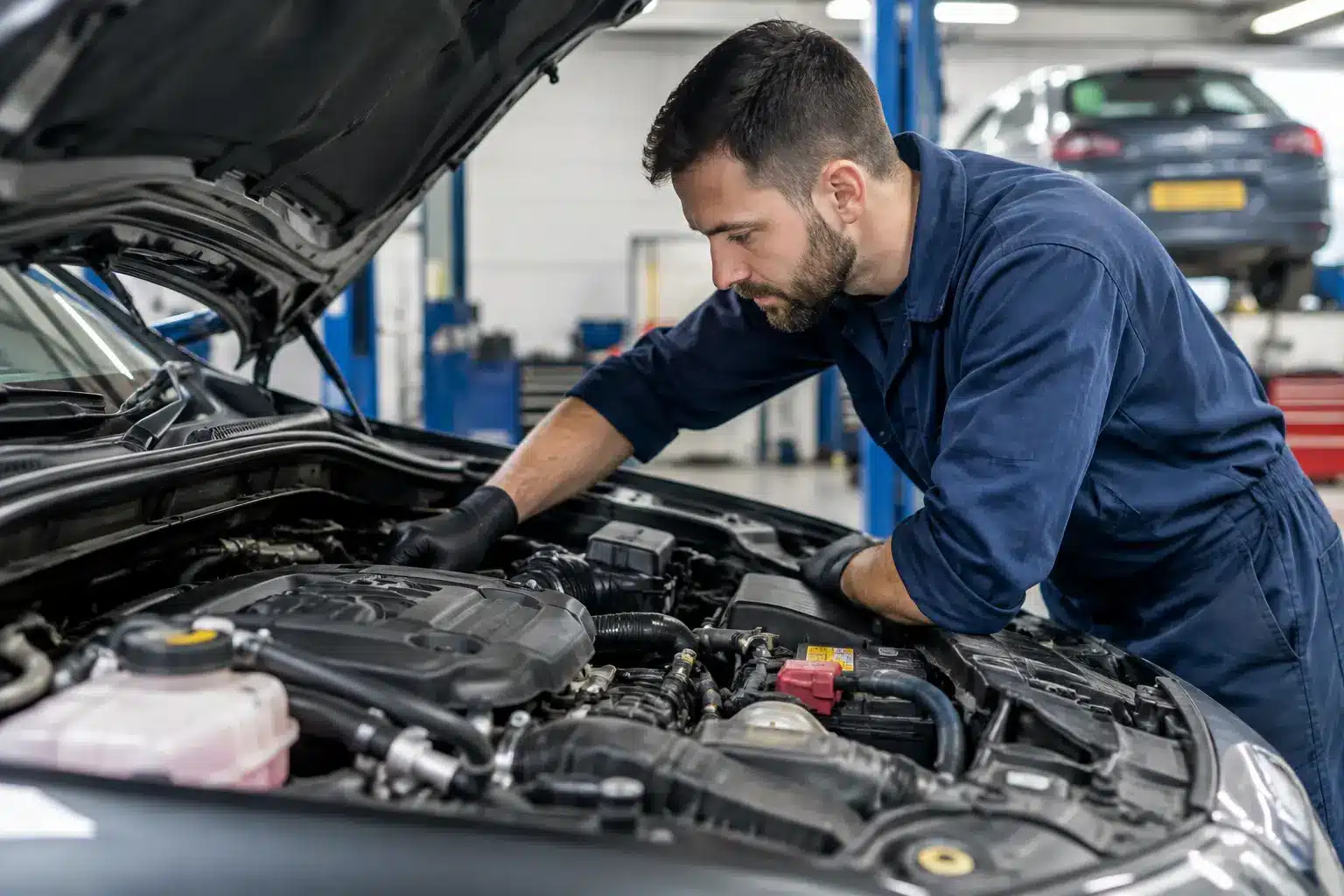
Best Pre-Holiday Vehicle Checks Before You Go
Planning a holiday means organising luggage, accommodation and travel times. However, your car also needs attention before a long drive. The best pre-holiday vehicle checks help you spot problems early and reduce the risk of an unexpected breakdown.
A flat battery, worn tyre or coolant leak can quickly ruin your journey. Fortunately, a few simple checks can identify many warning signs before you leave.
At AutoFix4u Garage Lowestoft, we help drivers prepare their vehicles for long journeys. Our technicians check essential systems, investigate warning lights and explain any repairs your car may need.
Whether you’re travelling across Suffolk or heading abroad, preparing your vehicle gives you greater confidence on the road.
Best Pre-Holiday Vehicle Checks to Do First
Start your checks several days before departure. This gives you time to arrange repairs if you discover a problem.
1. Check tyre pressure and tread depth
Your tyres support the vehicle throughout the journey. Extra passengers, luggage and motorway driving place additional demands on them.
Check tyre pressures when the tyres are cold. Use the figures in your vehicle handbook or on the manufacturer’s pressure label.
If you’re carrying additional luggage, check whether the manufacturer recommends higher pressures.
Next, inspect every tyre for:
- Cuts, cracks or sidewall damage.
- Bulges caused by internal tyre damage.
- Nails, screws or other foreign objects.
- Uneven tread wear.
- Tread depth close to the legal minimum.
In the UK, car tyres must have at least 1.6mm of tread across the central three-quarters of the tyre, around its entire circumference.
However, you should not wait until tyres reach that limit before a long journey.
Uneven wear may indicate incorrect pressure, wheel alignment problems or worn suspension components.
Read our guide to uneven tyre wear to understand the common causes.
If you notice damage or repeated pressure loss, arrange a tyre inspection before travelling.
2. Inspect your brakes before travelling
Reliable brakes matter during motorway driving, steep descents and unexpected stops.
Pay attention to unusual sounds or changes in braking performance.
Common warning signs include:
- Squealing or grinding noises.
- Vibration through the brake pedal.
- Steering wheel shaking during braking.
- The vehicle pulling to one side.
- A soft or unusually firm brake pedal.
- A brake warning light.
Worn pads and discs can cause some of these symptoms. However, sticking callipers, damaged brake components or suspension faults can produce similar problems.
A mechanic should identify the cause before recommending repairs.
If your brakes make unusual noises, read our guide to brake warning signs.
Do not begin a long journey if your brakes feel unsafe. Arrange an inspection first.
3. Test the battery and charging system
A weak battery can leave you stranded at a hotel, service station or holiday destination.
Battery problems often develop gradually. You may notice slower starting, dim headlights or intermittent electrical warnings.
Check the battery terminals for visible corrosion and loose connections. Avoid touching damaged wiring or battery components.
If the engine struggles to start, arrange a battery test.
Remember that the battery is not always responsible for starting problems.
A faulty alternator, poor electrical connection or unwanted electrical drain may prevent the battery from charging correctly.
Our article about alternator faults and testing explains the warning signs.
At AutoFix4u Garage Lowestoft, we can assess the battery and charging system before recommending replacement.
Check Engine Oil, Coolant and Essential Fluids
Fluid checks are another important part of preparing for a holiday.
Carry them out on level ground and follow your vehicle handbook.
4. Check the engine oil level
Engine oil protects moving engine components and helps control wear.
Check the level using the dipstick or electronic oil measurement system, depending on your vehicle.
If the level is low, use the correct oil specification.
Avoid overfilling the engine.
A small amount of oil consumption may occur between services. However, repeated top-ups or visible oil leaks need investigation.
Low oil can cause serious engine damage, particularly during extended driving.
If your oil-pressure warning light appears while driving, stop safely and switch off the engine.
Do not continue until you understand the cause.
5. Inspect the coolant level
The cooling system prevents the engine from overheating.
Check the expansion tank only when the engine is cold.
The coolant should sit within the manufacturer’s recommended range.
If the level keeps dropping, your car may have a leaking hose, radiator problem, water-pump fault or another cooling-system issue.
Adding coolant does not repair the cause.
If the engine overheats, stop safely and switch it off. Never open a hot coolant cap.
A proper cooling-system inspection can identify the fault before a long journey exposes it.
6. Check screenwash and windscreen wipers
Good visibility matters in all weather.
Motorway spray, insects and road dirt can quickly reduce visibility through your windscreen.
Fill the screenwash reservoir with suitable fluid and inspect the wiper blades.
Replace blades that leave streaks, miss sections of the glass or make unusual noises.
Also check for windscreen chips or cracks, especially around the driver’s field of vision.
Small defects can worsen during a long journey.
Check Warning Lights Before Your Holiday
7. Investigate dashboard warning lights
Your dashboard helps identify problems with the engine, brakes, charging system and other important components.
Some lights briefly illuminate when you start the vehicle. This is normal.
However, a warning light that remains on or returns during driving needs attention.
An engine warning light may indicate:
- A faulty sensor.
- Ignition or fuel-system problems.
- An air leak.
- Exhaust emissions issues.
- A DPF problem on a diesel vehicle.
- Electrical or engine-management faults.
Do not assume that clearing a fault code solves the problem.
A diagnostic scan provides useful information, but a technician must still confirm the cause.
Read our garage diagnostics versus code reader guide to understand the difference.
If your car has lost power, entered limp mode or developed a serious warning, arrange an inspection before travelling.
8. Check the DPF on diesel vehicles
Diesel cars often need additional attention when drivers use them mainly for short journeys.
Repeated short trips may prevent the diesel particulate filter from completing regeneration.
You might notice reduced power, increased fuel consumption or a DPF warning light.
A suitable longer drive can sometimes help a healthy system complete regeneration. However, this will not solve an underlying mechanical or electrical fault.
If your vehicle has several warning lights or enters limp mode, do not attempt to force regeneration through hard driving.
Our blocked DPF symptoms guide explains what to watch for.
Check Lights, Air Conditioning and Visibility
9. Test all exterior lights
Before leaving, check your vehicle’s exterior lighting.
Ask someone to help while you operate the controls.
Test the headlights, brake lights, indicators, rear lights, fog lights and number plate lights.
Replace failed bulbs where appropriate and investigate any recurring electrical faults.
Good lighting helps other drivers see your vehicle, particularly during poor weather or night driving.
10. Test the air conditioning
Air conditioning improves comfort during warm weather. It also helps remove moisture from the cabin air.
Switch it on and check whether the vents produce cold air.
Pay attention to unusual noises, weak airflow and unpleasant smells.
If your system blows warm air, the problem could involve low refrigerant, a leak, a compressor issue or an electrical fault.
A regas may help when the system is otherwise healthy. However, it will not repair a leak.
Read our guide to car air conditioning problems for common symptoms and repair options.
Do Not Forget Your Spare Wheel and Emergency Equipment
Before travelling, check what equipment your vehicle carries.
Some cars have a spare wheel. Others use a tyre repair kit or run-flat tyres.
Make sure you know how your equipment works.
You should also consider carrying:
- A warning triangle for use where legally permitted and safe.
- High-visibility clothing.
- A torch and phone charger.
- Your breakdown cover information.
- Drinking water and suitable clothing.
- Any equipment required by countries you plan to visit.
For travel abroad, check the driving requirements for every country on your route.
If you use a roof box or carry heavy luggage, follow the vehicle’s load limits. Secure everything properly.
Extra weight can affect tyre pressures, braking distances and handling.
When Should You Book a Pre-Holiday Vehicle Inspection?
The best pre-holiday vehicle checks start at home. However, some problems require professional testing.
Book an inspection if your car has:
- A warning light that remains on.
- Unusual vibration or steering problems.
- Brake noises or reduced braking performance.
- Repeated coolant or oil loss.
- Slow starting or battery problems.
- Uneven tyre wear.
- Suspension knocks.
- Loss of power or unusual engine noises.
A professional inspection helps identify problems that a visual check may miss.
For example, tyres can look acceptable from the outside while showing heavy wear on the inner edge. Brake pads may also wear unevenly.
A mechanic can assess these components and explain whether they need immediate attention.
If your car already has MOT advisories, review them before travelling.
Remember that a valid MOT does not guarantee your vehicle will remain fault-free.
Prepare Your Car Before the Journey, Not on Departure Day
One of the biggest mistakes drivers make is leaving vehicle checks until the morning of departure.
Discovering a tyre problem or cooling-system leak just before leaving creates unnecessary pressure.
Instead, allow several days for inspections and repairs.
Start with the basic checks you can perform safely. Then arrange professional assistance if anything concerns you.
This approach gives you time to make informed decisions rather than rushing into repairs.
Book Your Pre-Holiday Vehicle Check in Lowestoft
At AutoFix4u Garage Lowestoft, we help local drivers identify vehicle problems before they become roadside breakdowns.
Whether you need a tyre inspection, brake check, battery test or engine diagnostics, our team can assess your vehicle and explain the next steps.
We focus on identifying the cause and providing clear recommendations before any repair work begins.
If you are planning a holiday or long journey, contact us before you leave.
Contact AutoFix4u Garage Lowestoft:
- Call: 07778 979802
- WhatsApp: Message AutoFix4u on WhatsApp
- Free Estimate: Request a Repair Estimate
- Contact: Contact Our Garage
A few simple checks today can help you avoid unnecessary repairs, delays and breakdowns tomorrow.
Prepare your car properly and enjoy the journey with greater confidence.


