
A warning light appearing on the morning you are due to leave, a flat battery on the driveway, or a tyre losing pressure halfway through a long run can turn a good break into a stressful one. The best pre holiday vehicle checks are not about looking for problems that may never happen. They are about catching the common faults we see in the workshop before they leave you stranded, late for a ferry, or searching for recovery at the roadside.
For most drivers, a few simple checks at home are a good start. But if something does not look or feel right, get it checked before you travel. A short diagnostic or inspection is usually far easier to deal with than a breakdown when the car is loaded, the children are in the back, and you still have miles to go.
Best pre holiday vehicle checks to do first
Tyres: pressure, condition and spare
Tyres work harder than people think on a holiday journey. A fully loaded car, motorway speeds and hot road surfaces all put extra strain on them. Start by checking the pressures when the tyres are cold. Use the pressure listed for a loaded vehicle if your handbook gives a different figure for it.
Look around each tyre for cuts, bulges, nails and worn edges. Pay attention to the inside edge where possible, as uneven wear can point to a wheel alignment or suspension issue. The legal tread limit is 1.6mm across the central three-quarters of the tyre, but waiting until tyres are close to that limit is not ideal before a long trip. Wet-weather grip reduces well before a tyre becomes illegal.
Do not forget the spare wheel if you have one. Check that it is inflated and that the locking wheel nut key is in the car. If your car has a tyre repair kit instead, make sure the sealant is in date and that you know where the compressor is kept.
Brakes: do not ignore changes in feel or sound
A car that pulls to one side under braking, vibrates through the pedal or steering wheel, squeals constantly, or needs more distance to stop needs checking. These symptoms can be caused by worn brake pads or discs, but they can also come from a sticking brake calliper, tyre problem or suspension fault.
We often see drivers put up with a light squeal for weeks because the brakes still seem to work. That can be risky before a longer journey. Brake pads do not always wear evenly, and a small issue can become metal-on-metal contact if it is left too long. That means a bigger repair and less confidence when you need to stop quickly.
Check the brake fluid level as well. A low level may be a sign of worn pads, but it can also indicate a leak. Do not simply top it up and carry on without finding out why it has dropped.
Battery: test it before it tests you
Battery faults are one of the most common causes of holiday call-outs. The car may start normally on a mild morning, then struggle after being parked overnight at a hotel or service station. Batteries lose strength gradually, and short local journeys do not always recharge them fully.
Warning signs include slow cranking, dimming lights, electrical systems behaving oddly, or a battery warning light while driving. Check that the terminals are secure and free from heavy corrosion. If the battery is more than a few years old or the car has been hesitant to start, a proper battery and charging-system test is sensible.
A new battery will not solve every starting issue. A weak alternator, poor connection or electrical drain can cause the same symptoms. This is why diagnosis matters before parts are replaced.
Fluids and cooling checks before a long drive
A low oil level, coolant leak or empty screenwash bottle can spoil a journey quickly. Check these on level ground, ideally when the engine is cool.
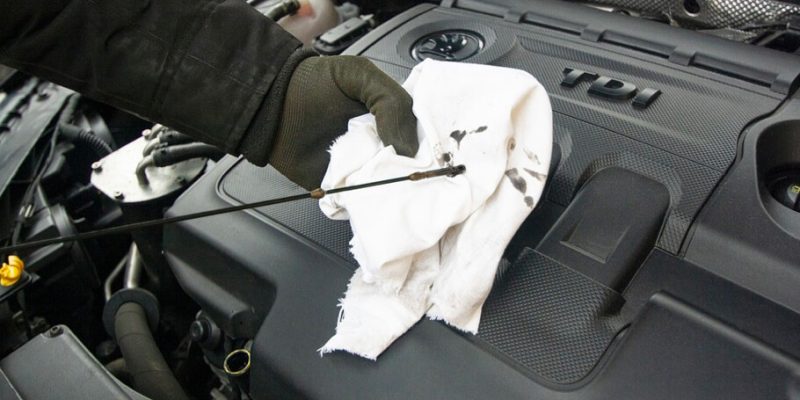
Engine oil should sit between the minimum and maximum marks. If it is low, top up with the correct grade of oil. If you are regularly adding oil, or you can see fresh oil underneath the car, book it in. This usually happens because of a leak or an engine issue that needs looking at properly.
Coolant should also sit between its marks. Never remove the coolant cap when the engine is hot. If the level has dropped, there may be a leak from a hose, radiator, water pump or another part of the cooling system. Topping it up may get you moving, but it does not cure the cause. An overheating engine can lead to serious damage, so act early.
Fill the screenwash reservoir with proper screenwash, not just water. Motorway spray, insects and bright sun can make a dirty windscreen far more dangerous than drivers expect. Check the wipers too. If they smear, chatter or leave missed patches, replace them before you go.
Dashboard lights and loss of power need an answer
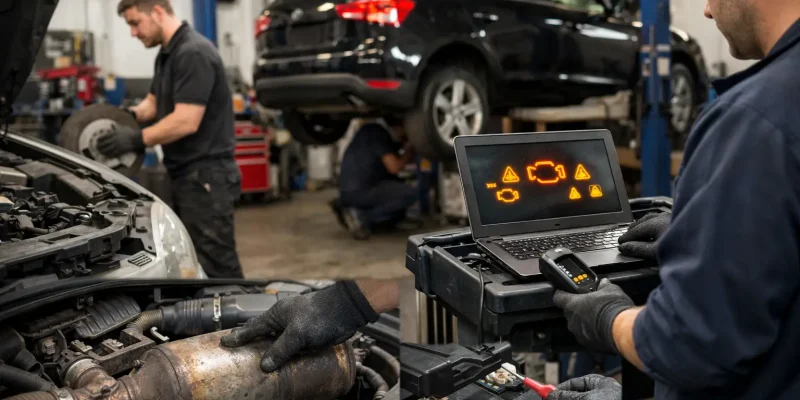
Some warning lights come on briefly when you turn the ignition on, then go out. That is normal. A warning light that stays on, flashes, or returns after being cleared is different. It is the car telling you a fault has been stored and needs attention.
An engine warning light can relate to many things, from a sensor fault to an emissions issue. If the car is also losing power, going into limp mode, smoking, running rough or using more fuel, do not assume it will be fine for a holiday run. On diesel vehicles, DPF problems can become more obvious when the car has mainly been used for short trips. A motorway journey may help a healthy system complete a regeneration, but it will not fix a DPF fault, failed sensor or underlying engine problem.
A diagnostic check identifies the fault codes, but the codes are only the starting point. The right repair comes from testing the cause, explaining it clearly, and then deciding what needs doing. That avoids paying for parts that do not solve the issue.
Lights, visibility and the things people miss
Ask someone to walk around the car while you operate the lights, indicators, brake lights and reversing light. Replace failed bulbs and investigate any lights that flicker or keep blowing. A poor connection can be the real problem.
Check the windscreen for damage in the driver’s line of vision. A small chip can spread with temperature changes, vibration and motorway driving. Also make sure the washer jets aim correctly and clear the screen properly.
Inside the car, check that the horn works, the demister clears the windscreen, and the air conditioning is blowing cold if you are travelling in warm weather. Air conditioning is not just about comfort. It helps remove moisture from the air and keeps windows clear when it is wet outside.
When a home check is not enough
A visual check cannot tell you whether brake pads are worn on the inside, whether a battery is holding its charge, or why an engine management light has appeared. It also cannot reliably identify a developing clutch, suspension or exhaust problem.
Book a garage inspection before you travel if you have noticed knocking, difficult gear changes, a burning smell, a vibration at speed, fluid underneath the car, poor fuel economy or any warning light. The same applies if your MOT is due soon. An MOT pass does not replace routine maintenance, but dealing with advisories before a longer journey can prevent trouble later.
At AutoFix4u, we see plenty of last-minute problems that could have been picked up with a straightforward check. If you are in Lowestoft or nearby and something is not right, contact us for clear advice, proper diagnostics and a repair plan with no surprise extras. Same-day slots may be available, but booking before the day you travel gives you more options.
Do the simple checks a few days before you leave, not while bags are going into the boot. If there is any doubt about a noise, warning light or change in the way the car drives, get the cause checked before it becomes part of your holiday plans.