
How to Fix Car Overheating Before Damage Spreads
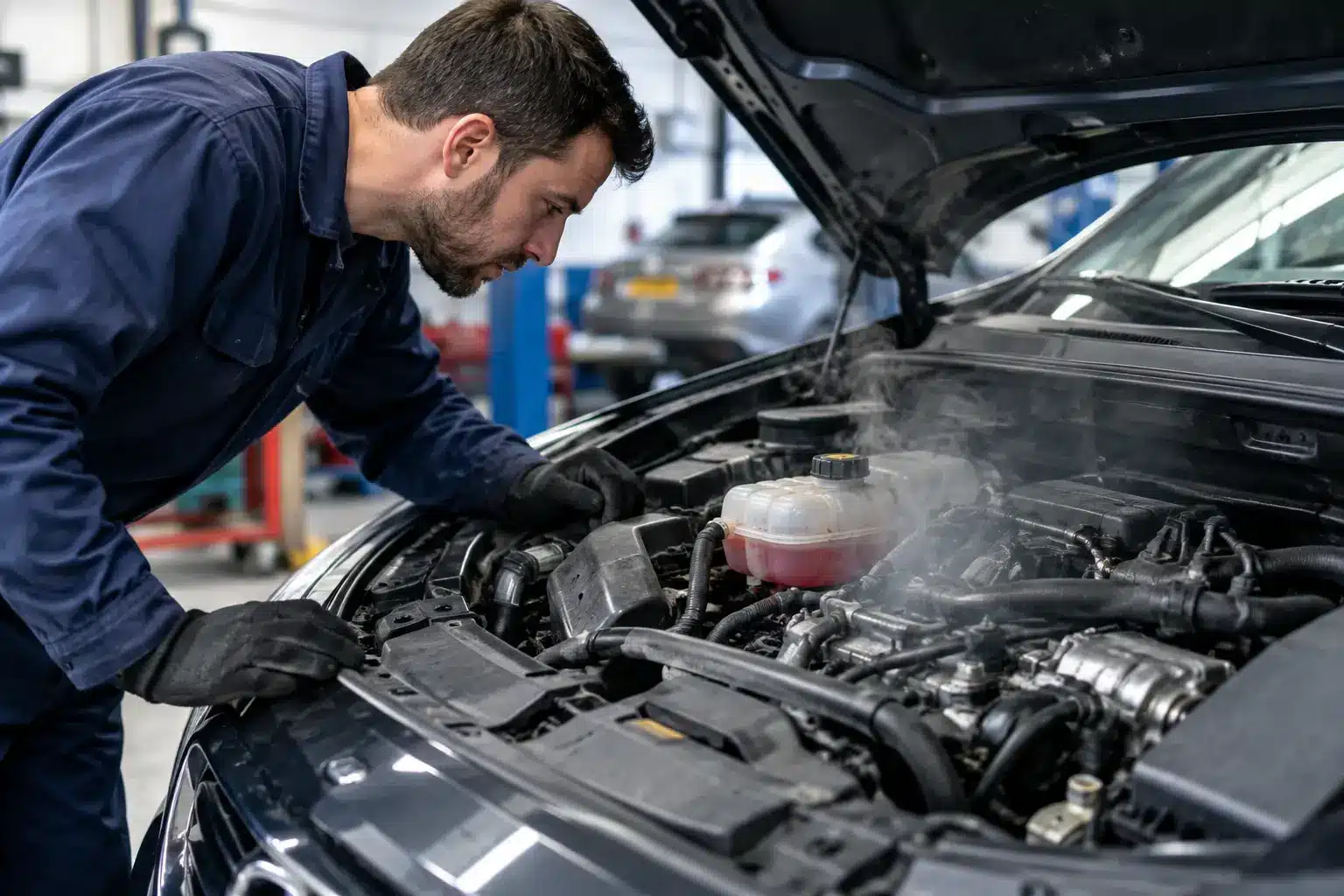
A rising temperature gauge, steam from under the bonnet or a coolant warning light can turn a normal journey into a breakdown. If you need to fix car overheating, your first priority is safety. Stop the vehicle before the heat causes serious engine damage.
Even a short drive with an overheating engine can cause major problems. Excessive heat can damage the head gasket, distort the cylinder head or affect other engine components.
At AutoFix4u Garage Lowestoft, we help drivers identify cooling-system faults and understand their repair options. The right diagnosis can prevent a small problem from becoming an expensive engine repair.
What to do when your car starts overheating
If the temperature gauge rises towards the red or a warning light appears, find a safe place to stop. Switch off the engine and allow it to cool completely.
Never remove the coolant expansion tank cap while the engine is hot. The system holds pressure, and hot coolant can escape suddenly. This can cause serious burns.
Avoid pouring cold water over a hot engine. Sudden temperature changes may damage engine components.
Once the engine has cooled fully, check for visible signs of trouble. Look for coolant underneath the vehicle, damaged hoses or staining around the radiator.
If coolant is pouring out, the warning remains active or the engine runs poorly, do not restart it. Contact a garage and arrange recovery.
You can also read our guide to vehicle warning lights to understand which symptoms need urgent attention.
Common causes of car overheating
Several faults can stop the engine from controlling its temperature. The symptoms help narrow down the cause, but a mechanic should confirm the problem before replacing parts.
Low coolant or a leaking hose
Coolant carries heat away from the engine. When the level drops too low, the system cannot manage engine temperature effectively.
Hoses, clamps, radiators and expansion tanks can develop leaks. Some leaks appear immediately. Others only become visible after the engine reaches operating temperature.
Check the coolant level when the engine is cold. If it keeps dropping, arrange an inspection rather than repeatedly topping it up.
A faulty thermostat
The thermostat controls coolant circulation between the engine and radiator.
If it sticks closed, hot coolant cannot flow through the radiator properly. Consequently, engine temperature can rise quickly.
A mechanic can check temperature readings and coolant circulation to determine whether the thermostat has failed.
Cooling fan problems
The cooling fan helps the radiator release heat, especially in slow traffic.
A faulty fan motor, damaged wiring, relay problem or sensor fault can prevent the fan from operating correctly.
You might notice that the temperature increases while idling but improves when the vehicle moves.
However, this symptom does not prove the fan has failed. A technician must check the related electrical components and cooling-system operation.
A blocked or damaged radiator
The radiator removes heat from the coolant as air passes through it.
Corrosion, debris, damaged fins or internal restrictions can reduce cooling performance. As a result, the engine may overheat during longer journeys or under heavy load.
A mechanic should inspect the radiator and surrounding components before recommending cleaning or replacement.
Water pump failure
The water pump circulates coolant through the engine and radiator.
A worn pump, damaged impeller or leaking seal can restrict coolant flow. Some pumps also develop unusual noises before failure.
On certain engines, the cambelt drives the water pump. This can make access and replacement more involved.
Correct diagnosis helps avoid unnecessary labour and parts costs.
Head gasket or internal engine damage
Repeated overheating can sometimes indicate a more serious engine problem.
Possible signs include unexplained coolant loss, persistent white exhaust smoke after warm-up or unusual pressure in the cooling system.
However, these symptoms can have other causes.
A mechanic may need to test for combustion gases in the coolant or carry out further engine checks before confirming an internal fault.
How to fix car overheating with proper diagnostics
The most effective repair starts with finding the cause rather than replacing parts based on symptoms alone.
At AutoFix4u Garage Lowestoft, we begin by discussing when the problem occurs.
For example, does the engine overheat in traffic, during long journeys or shortly after starting? Does the cabin heater stop producing warm air? Have you noticed coolant leaks?
These details help us choose the right checks.
A cooling-system inspection may include:
- Checking coolant level and condition.
- Inspecting hoses, joints and the radiator.
- Testing the system for pressure loss.
- Checking thermostat operation and coolant circulation.
- Testing the cooling fan and its controls.
- Reviewing live temperature readings and relevant fault codes.
- Investigating possible internal engine faults when symptoms justify further testing.
You can learn more about our diagnostic services in Lowestoft.
Once we identify the fault, we explain the repair options and expected costs before work begins.
What happens after an overheating repair?
Replacing the faulty component is only part of the job.
The cooling system also needs the correct coolant. A mechanic must remove trapped air according to the vehicle manufacturer’s procedure.
Air pockets can prevent proper circulation and cause another temperature warning.
The technician should then check for leaks and confirm that the engine maintains its normal operating temperature.
Depending on the fault, additional checks may help establish whether the earlier overheating caused any further damage.
A careful final inspection helps reduce the risk of another breakdown.
Can you drive after your car overheats?
Driving after overheating carries risks, especially when the cause remains unknown.
A brief temperature increase does not always mean the engine has suffered permanent damage. Nevertheless, you should not assume the vehicle is safe simply because the warning light disappears.
Do not continue driving if:
- The temperature gauge reaches the red zone.
- Steam escapes from the engine bay.
- Coolant leaks heavily.
- The engine loses power or runs roughly.
- A temperature warning remains active.
In these situations, stop safely, switch off the engine and seek professional assistance.
Our vehicle recovery service may help when the car cannot safely reach the workshop.
How to prevent car overheating
Regular maintenance can help you identify cooling-system issues early.
Check the coolant level when the engine is completely cold. Use the correct coolant specification for your vehicle.
Inspect the ground beneath your parked car for unusual leaks. Pay attention to sweet smells, changes in cabin heating and unexpected temperature warnings.
Before a longer journey, check essential fluid levels and any existing warning messages.
Our pre-journey vehicle checks guide explains other useful precautions.
Never ignore repeated coolant loss. Your cooling system should not need frequent top-ups during normal operation.
Book a car overheating diagnosis in Lowestoft
If your car keeps overheating, the safest next step is a professional inspection.
At AutoFix4u Garage Lowestoft, we investigate cooling-system problems before recommending repairs. We aim to explain the fault clearly and provide practical advice based on our findings.
We serve drivers in Lowestoft, Oulton Broad, Carlton Colville, Beccles and surrounding areas.
Need help with an overheating engine?
Call 07778 979802 to discuss the symptoms and arrange an inspection.
You can also contact our garage to request a booking or repair estimate.
Do not let a coolant leak or temperature warning turn into major engine damage. Get the cause checked before driving again.


