Garage Lowestoft for Fast, Honest Repairs
When your car starts playing up on the school run, before work, or halfway through a weekend shop, you do not need a long theory lesson. You need a garage Lowestoft drivers can get to easily, a proper answer on what is wrong, and a fix that makes sense. That is usually the difference between a minor repair and a bigger, more expensive problem a week later.
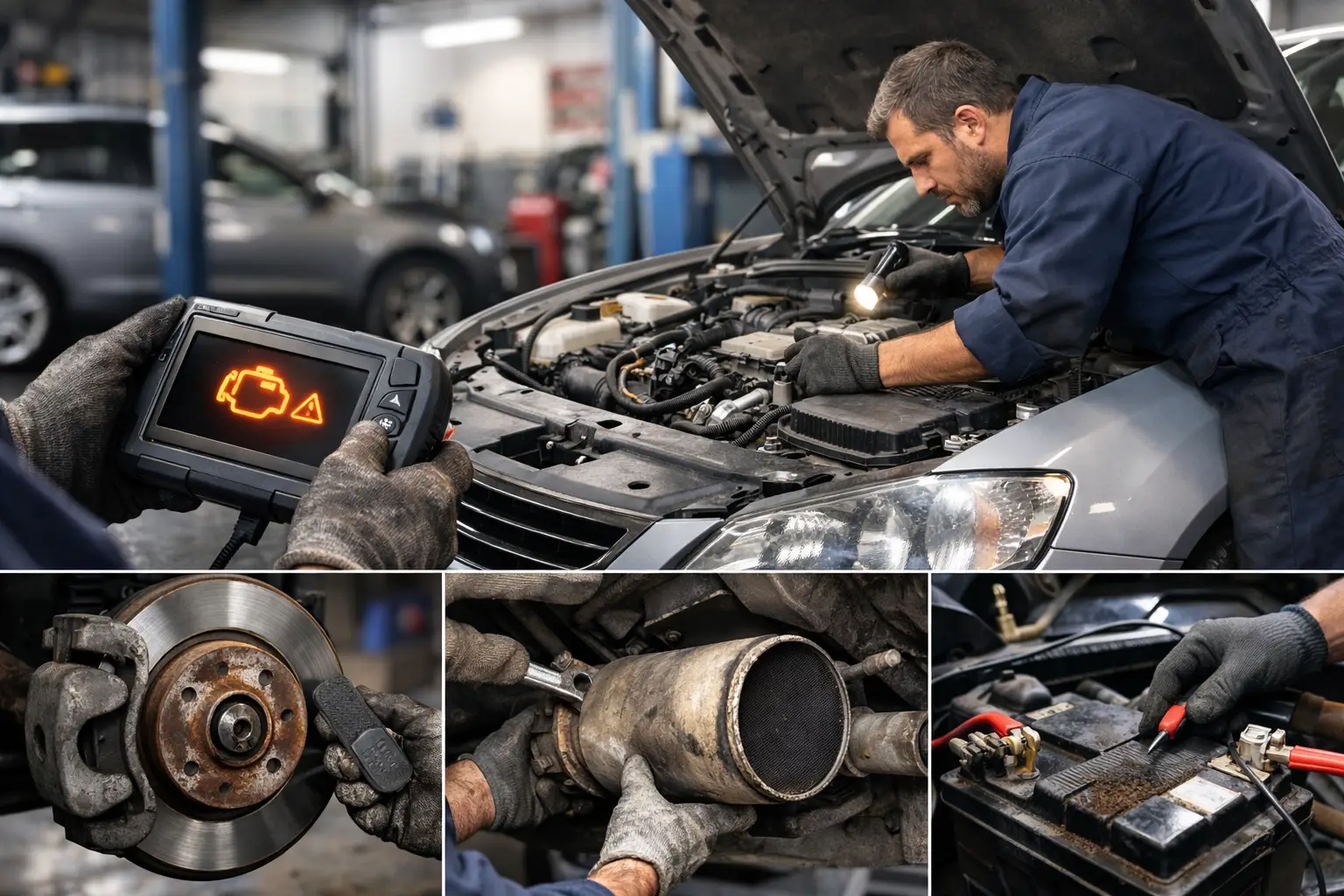
At a local garage, most jobs start with the same basic question – what is the car actually doing? Maybe the engine warning light has come on. Maybe it has lost power and gone into limp mode. Maybe the brakes are grinding, the clutch feels wrong, or it has failed its MOT and you have been handed a list that means very little in plain English. In most cases, the first step is not replacing parts blindly. It is finding the fault properly.
What to expect from a good garage in Lowestoft
A good workshop should save you time, not waste it. That means listening to the problem, testing the vehicle properly, and explaining the cause in plain English. If a warning light is on, there will usually be a stored fault code, but the code alone is not the repair. It points you in the right direction. The real job is working out why that code appeared in the first place.
We often see this issue when drivers have already been told they “just need a sensor”. Sometimes that is true. Sometimes the sensor is only reporting a different fault somewhere else. Replacing the first part that seems likely can cost more in the long run. Proper diagnostics usually saves money because it avoids guesswork.
That same approach matters with MOT failures as well. A failed MOT can look worse on paper than it really is, especially if the notes are full of terms most people do not use day-to-day. A decent garage will tell you what is urgent, what has caused the failure, and what needs doing now to get the car safe and legal again.
Common problems local drivers bring to a garage Lowestoft workshop
Warning lights and fault codes
An engine warning light, ABS light, airbag light or DPF warning light should not be ignored. The car may still drive, but that does not mean the problem is minor. In some cases, the vehicle limits power to protect itself. In others, the issue builds slowly until it affects fuel use, starting, or reliability.
This usually happens because a system is no longer operating within its normal range. It could be a sensor fault, an electrical issue, a blocked filter, low voltage, or a mechanical problem that has triggered a warning. The right solution depends on testing, not assumptions.
Loss of power and limp mode
If the car suddenly feels flat, struggles to accelerate, or will not rev properly, there is usually a reason the system has reduced performance. We often see this with DPF problems, boost leaks, airflow faults and fuel delivery issues. Some drivers keep using the car for short trips and hope it clears, but that can make the fault worse.
A proper diagnostic check can usually narrow this down quickly. Once the root cause is clear, you can decide on the repair with confidence rather than chasing one symptom after another.
Brake and clutch problems
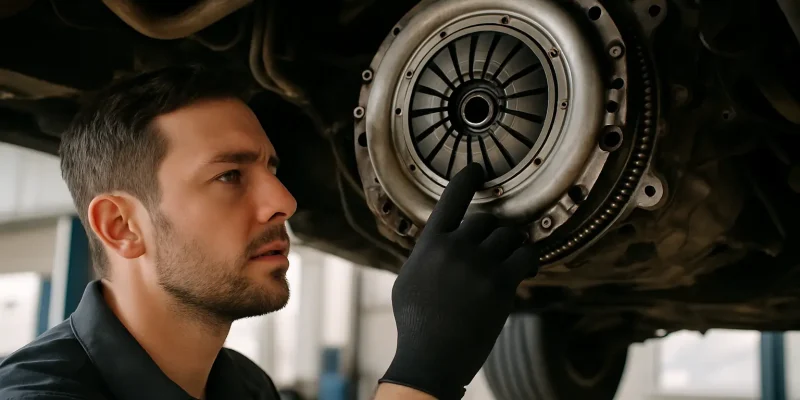
Brakes and clutch faults tend to get worse, not better. If the brakes are squealing, grinding, pulling to one side or feeling soft, the car needs checking. The same applies if the clutch is slipping, biting too high, or making gear changes difficult.
Sometimes the fix is straightforward, such as worn pads or discs. Sometimes there is a hydraulic fault, seized component or deeper wear issue. Either way, safety comes first, and clear advice matters.
DPF trouble on short-run cars
This is common in and around town driving. If the car is mainly used for short journeys, the DPF may not get hot enough to complete a proper regeneration. Over time, the filter blocks, the warning light comes on, and the car may lose power.
The key point here is that cleaning or regenerating the DPF is only part of the answer if something else caused the blockage. A failed sensor, injector issue, EGR fault or repeated short-use pattern can bring the problem straight back. That is why the cause needs checking, not just the symptom.
Air conditioning not working properly
If the air con is blowing warm, smelling musty, or cutting in and out, it may be low on refrigerant, but it is not always that simple. Leaks, pressure issues and electrical faults are also common. A quick re-gas helps only when the system itself is otherwise healthy.
This is one of those jobs where honest advice matters. If there is a leak, topping it up without addressing the fault is only a short-term fix.
Why diagnostics first usually saves time
Drivers often come in after trying the cheaper route first – a basic code read somewhere else, a part changed on advice from a friend, or an online guess based on symptoms. Sometimes they get lucky. Quite often they do not.
A diagnostic-first approach is usually faster because it focuses on evidence. If a car is misfiring, for example, the cause could be ignition, fuel, compression, wiring or sensor related. The symptoms can feel the same from the driver’s seat, but the repair can be very different. Testing points you to the actual fault.
That matters if you rely on one car for work, school runs or caring responsibilities. Losing another day because the wrong part was fitted first is frustrating and expensive in its own way. Same-day solutions are possible for many faults, but only if the issue has been identified properly.
Local repairs that fit real life
Most people looking for a garage are not planning ahead. They are reacting to a problem. The battery is flat. The car will not start. A warning light has appeared the day before an MOT. The brakes start making noise when there is no spare time in the week.
That is why a local independent garage often makes more sense than a slower, less personal setup. You want clear communication, realistic timescales and no surprise extras. If a repair can be done the same day, say so. If parts availability means tomorrow is more realistic, say that too. Straight answers help people plan.
For drivers in Lowestoft, Oulton Broad, Carlton Colville, Kessingland, Pakefield, Beccles, Worlingham, Hopton and Corton, local access matters as much as the repair itself. A nearby garage is not just convenient. It means quicker support when the problem is urgent and easier follow-up if anything needs rechecking.
How to choose the right garage in Lowestoft
Look at how the garage talks about faults. If everything sounds like a guaranteed quick fix before the car has even been seen, be cautious. Real repairs do not work like that. Good garages explain what they know, what still needs testing, and what the likely next step is.
It also helps to choose a workshop that is comfortable saying when a problem has more than one possible cause. That is not uncertainty for the sake of it. It is honesty. Some faults are obvious from the start. Others need proper checks before a repair plan can be confirmed.
You should also expect plain English. If your car has failed its MOT or shown a dashboard warning, you should not be left trying to translate jargon. A trustworthy mechanic will explain the issue, the risk of leaving it, and the best repair route without pushing work you do not need.
When to book before the fault gets worse
Some problems give you a bit of warning. Others do not. If the car feels different, sounds different, smells hot, struggles to start, or shows any warning light, it is usually worth getting it checked sooner rather than later. The longer a fault is left, the more chance it has to affect other parts.
This is especially true with engine management faults, DPF issues, brakes and cooling problems. A small fault in one system can easily turn into a larger repair if the car keeps being driven daily. In most cases, early diagnosis gives you more options and lower repair costs.
If you need a local garage that works the problem through properly, AutoFix4u focuses on exactly that – finding the cause, explaining it clearly, and getting you back on the road without guesswork. Call now, book diagnostics, or ask for a quote if the fault has already started. The sooner it is checked, the easier it usually is to put right.
A car problem rarely picks a convenient time, but the next step can still be simple – get it looked at properly, get a clear answer, and deal with it before it turns into something bigger.


One thought on “Garage Lowestoft for Fast, Honest Repairs”