
Best Tyres for Commuting in Everyday Cars
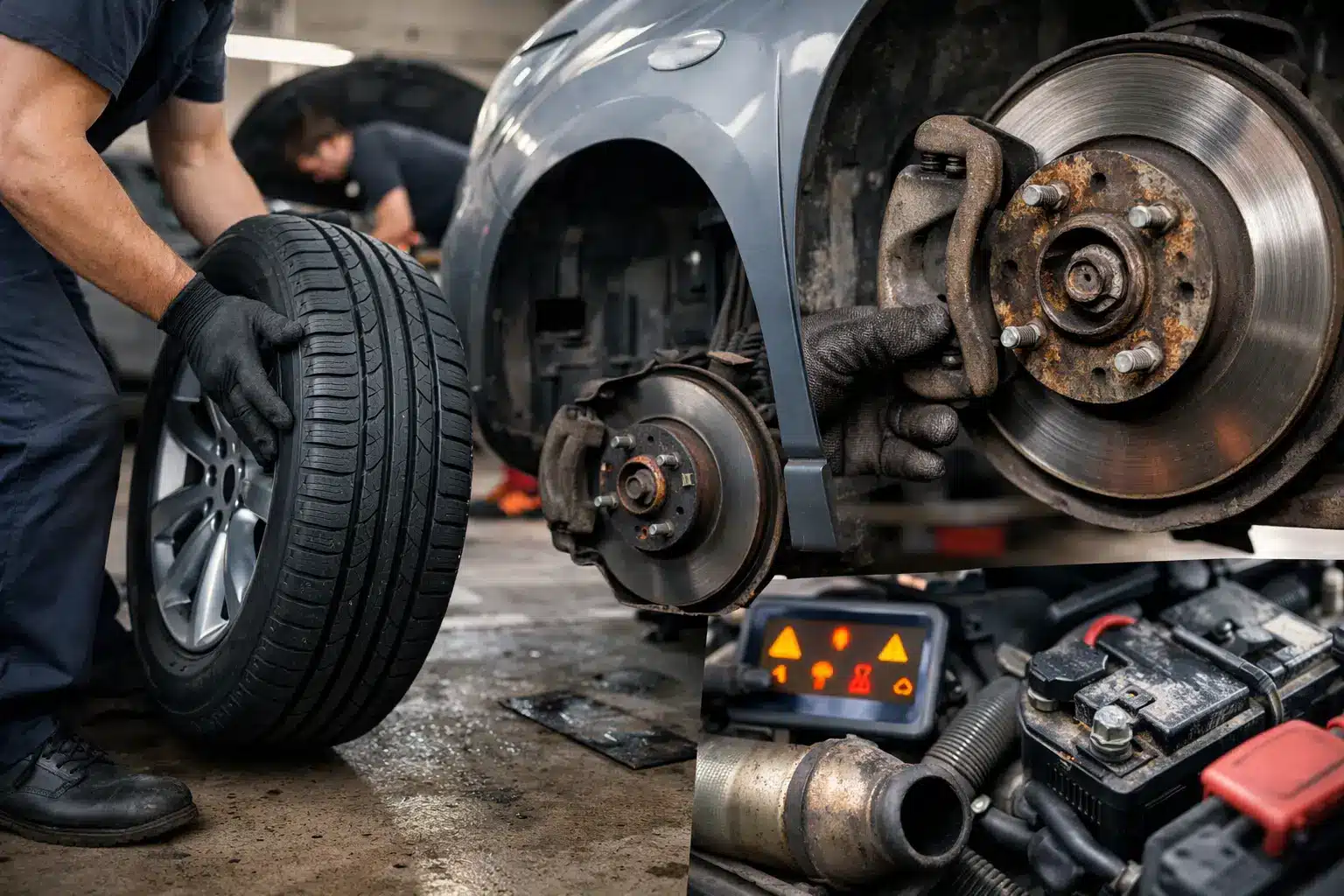
That pair of tyres may still look legal, but if the car pulls in the wet, takes longer to stop, or keeps losing pressure, they are not doing the job you need from a daily commuter. The best tyres for commuting are not always the most expensive ones. They are the tyres that suit your car, your mileage and the roads you use every day – while giving dependable grip in Suffolk rain and lasting well between replacements.
For most drivers, commuting tyres need to cope with short trips, roundabouts, stop-start traffic, damp roads and the occasional longer run. Getting the choice wrong can mean more road noise, poor fuel economy, uneven wear or an MOT failure. Getting it right makes the car safer and less costly to run.
What makes a tyre good for daily commuting?
A commuter tyre has to balance several jobs. It needs good wet braking, predictable handling, reasonable wear and a comfortable ride. No single tyre is best at absolutely everything, so the right choice depends on what matters most for your journey.
If you cover a lot of miles on A-roads or dual carriageways, lower rolling resistance and long tread life are often worthwhile. These can help reduce fuel use and prevent you replacing tyres sooner than expected. If your route is mainly through town, wet grip and stronger resistance to kerb damage may matter more. Constant braking, potholes and tight parking take their toll.
We often see customers choose a tyre purely because it is the lowest upfront cost. That can work for a car that only does occasional short trips, but it is usually a false economy for a vehicle used every day. A tyre that wears quickly or performs poorly in heavy rain can cost more in the long run.
Wet grip should be near the top of the list
British roads are wet often enough that wet braking deserves proper attention. A tyre with strong wet-grip performance can make a real difference when traffic suddenly stops, especially on a cold morning or on roads with standing water.
Look at the tyre label when comparing suitable options. Its wet-grip rating gives a useful indication of braking performance on a wet surface. It is not the only thing to consider, but it is a sensible starting point for everyday driving.
This matters even more if your commute includes country roads around Lowestoft, Beccles or the surrounding villages. Mud, surface water and poorly lit stretches leave less room for error. A tyre with decent tread depth and effective water drainage helps the car stay composed.
Tyre life matters, but not at the expense of safety
Harder-wearing tyres can be appealing if you do high mileage. However, a tyre designed mainly for long life may not give the same level of wet grip as one with a softer compound. There is always a trade-off.
For a normal family hatchback, saloon or small SUV, aim for a reputable mid-range or premium-quality tyre that has good wet performance and is designed for regular road use. Your garage can explain the available choices in plain English and fit what is appropriate for your budget. You do not need the most costly option just because it is available.
Choosing the best tyres for commuting by journey type
Your usual route is more useful than a generic recommendation. Think about where the car actually spends its time.
Mostly town driving and school runs
Town driving is hard on tyres in a different way. There is more braking, more steering at low speed and more chance of clipping a kerb. You need a tyre with dependable wet grip and a sidewall that can cope with normal day-to-day knocks.
Check pressures regularly too. Underinflated tyres wear along both outer edges, make steering feel heavier and use more fuel. Overinflation tends to wear the centre of the tread and can make the ride harsher. If one tyre is repeatedly low, do not just keep pumping it up. It may have a slow puncture, damaged valve or wheel-rim sealing issue that needs checking.
Longer A-road and dual-carriageway commutes
For regular higher-speed journeys, comfort, stability and fuel efficiency become more noticeable. A tyre with lower road noise can make the commute less tiring, while a good tread pattern helps clear water at speed.
Do not fit a tyre with a lower speed or load rating than the vehicle manufacturer specifies. These ratings are printed on the tyre sidewall and are part of choosing a safe replacement. If you are unsure what the markings mean, bring the car in and we can check the correct specification before fitting.
Mixed routes and unpredictable weather
Most local drivers do a mixture of town, country roads and faster routes. In that case, a quality all-season tyre can be a practical option, particularly if you want one set of tyres to handle wet weather and colder conditions without changing them seasonally.
All-season tyres are not automatically the best answer for everyone. A driver doing very high motorway mileage in mild conditions may prefer a tyre focused on efficiency and long wear. Equally, if you rarely use the car in winter, the extra capability may not justify the cost. It depends on how and when you travel.
Do not ignore tyre size, ratings and matching pairs
The correct tyre size is not a matter of preference. It must match the approved sizes for your vehicle. The full code on the sidewall includes width, profile, wheel diameter, load rating and speed rating. Changing any of these without advice can affect handling, comfort, speedometer readings and insurance requirements.
Where possible, fit the same type of tyre across an axle. Mixing different tread patterns, wear levels or performance levels from left to right can make the car less predictable, particularly in wet conditions. If only two tyres need replacing, the fitter will assess the remaining pair and advise where the new tyres should go for the safest result.
A common mistake is fitting one new tyre alongside one that is already close to the legal limit. It may save money for a few weeks, but it can leave the car unbalanced and bring another tyre bill very soon after. Clear advice at the point of fitting helps avoid that.
Uneven tyre wear is usually a warning sign
Tyres do not normally wear unevenly for no reason. If the inner edge is bald, the steering wheel is off-centre, or the car drifts to one side, there may be an alignment or suspension issue. Replacing the tyre without checking the cause can mean the new one wears out in the same way.
We often see this after a pothole strike or kerb impact. A knock can affect wheel alignment, but worn suspension components can also change how the tyre sits on the road. You might notice knocking over bumps, vibration through the steering wheel or a car that feels unsettled under braking.
The solution is to inspect the tyres, steering and suspension before simply fitting replacements. This is particularly worthwhile if you have had repeated punctures, visible edge wear or an MOT advisory for tyres. Fixing the root cause protects the new tyres and improves how the car drives.
Know when tyres need replacing
The legal minimum tread depth is 1.6mm across the central three-quarters of the tyre, around the full circumference. That is the absolute legal limit, not a target to aim for. Wet-weather performance drops before a tyre reaches that point because there is less tread to move water away from the road surface.
Many drivers choose to replace tyres earlier, especially before winter or before a long period of commuting. Look for cracking in the sidewalls, bulges, cuts, exposed cords, repeated pressure loss and vibration as well as low tread. A bulge or exposed cord means the tyre is unsafe and needs urgent replacement.
If the tyre pressure warning comes on, check the pressures when the tyres are cold. If it returns after inflation, arrange an inspection rather than carrying on and hoping it settles. A small screw or nail can sometimes be repaired safely, depending on its position and the condition of the tyre. Sidewall damage cannot be repaired.
A practical way to buy commuting tyres
Start with the size and ratings already fitted to the car, then consider your mileage, route and budget. Ask for two or three suitable options rather than being pushed towards one answer. A good garage should explain the difference in expected wear, wet grip and price clearly.
Also ask for the wheels to be balanced during fitting, and request an alignment check if there is uneven wear, a steering pull or recent pothole damage. These small checks can prevent a new set of tyres being ruined early.
At AutoFix4u, we can inspect your current tyres, explain what is causing any unusual wear and provide clear fitting advice with no surprise extras. If your tyres are close to the limit, the car is pulling, or you are unsure what specification to choose, call for a quote or book a check. A short inspection now can make every journey to work safer and more predictable.

2 thoughts on “Best Tyres for Commuting in Everyday Cars”