
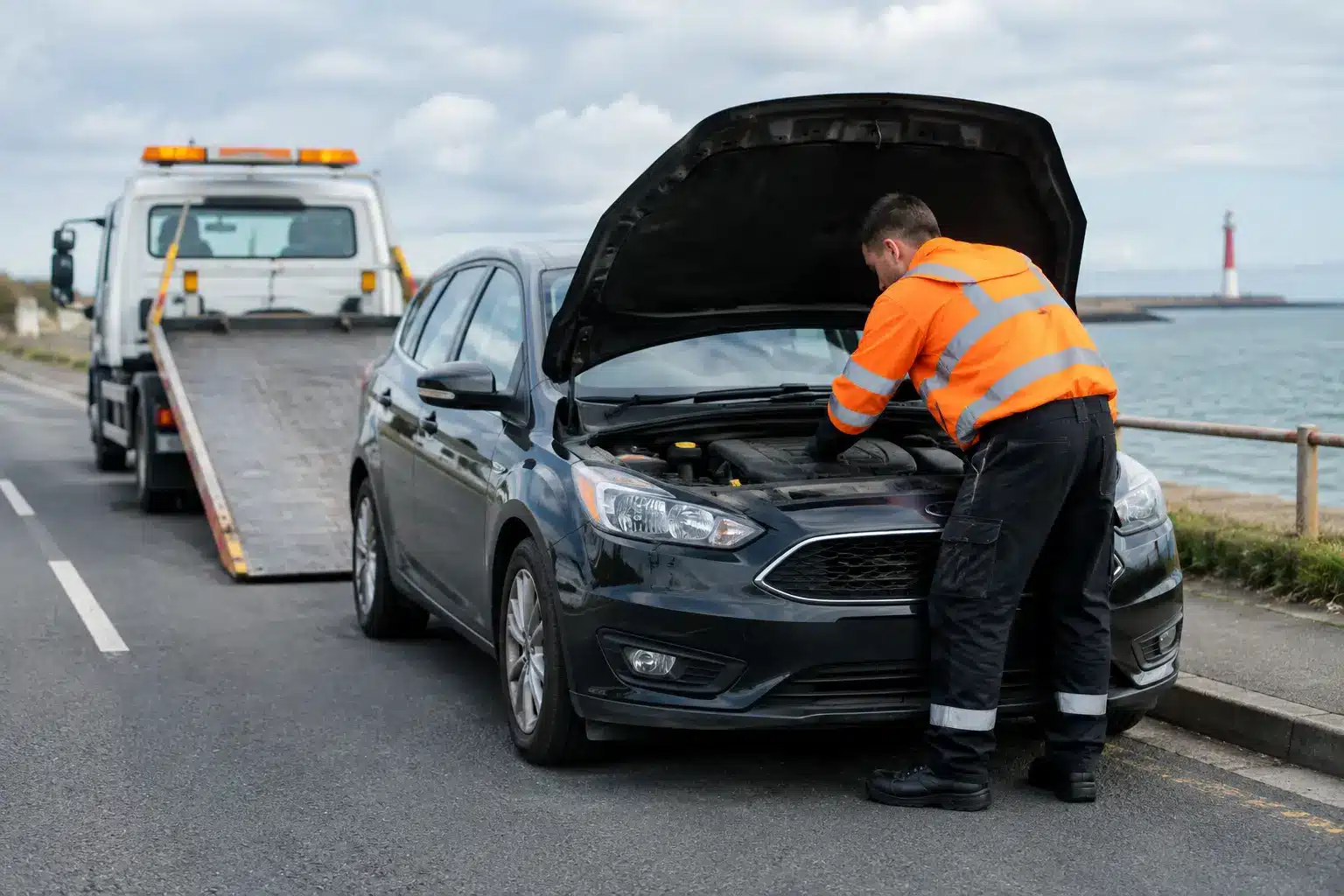
Car Recovery in Lowestoft When You Need Help
A breakdown rarely happens at a convenient time. You may be parked outside work with a car that will not start, losing power on the way home, or facing an engine warning light that has suddenly put the vehicle into limp mode. Car recovery is there to get you out of the immediate situation, but the next step matters just as much: finding out why the fault happened and fixing it properly.
At AutoFix4u, we provide recovery support and practical repair help for drivers in Lowestoft and nearby areas. We keep the process clear. First, make the vehicle safe. Then arrange the right transport or assistance. Finally, diagnose the underlying fault so you are not left dealing with the same problem again a week later.
What to do when your car breaks down
If the car develops a serious fault while you are driving, pull over safely as soon as you can. Use your hazard lights and avoid stopping where you are difficult for other road users to see. If you are on a fast road, move well away from traffic when it is safe to do so.
Do not keep trying to drive if the engine temperature is high, the oil warning light is on, the brakes feel unsafe, or there is smoke or a strong burning smell. Continuing can turn a repairable issue into major engine damage. The same applies if the vehicle is losing power badly or making a loud mechanical noise.
Once you are safely stopped, take a moment to look for the obvious signs. Is there a warning light? Does the engine turn over but not fire up? Is there a flat tyre, visible fluid leak, or a flat battery? You do not need to diagnose the car yourself, but this information helps us decide whether a jump start, roadside assistance or recovery is the sensible option.
When car recovery is the right call
Some problems can be dealt with at the roadside. A flat battery may only need a jump start, for example. But a jump start is not always the fix. In most cases, a battery that has gone flat needs checking for its condition, charging system and possible electrical drain. Otherwise, you may get moving for the day only to find it will not start again tomorrow.
Recovery is usually the safer choice when the vehicle cannot be driven without risk. Common examples include an overheated engine, a snapped or suspected cambelt issue, clutch failure, brake problems, a serious coolant or oil leak, and a vehicle stuck in limp mode with very limited power.
We also often see recovery needed after a DPF warning has been ignored for too long. A blocked DPF can reduce engine performance and eventually prevent normal regeneration. Driving it hard in the hope that it will clear is not always the answer, particularly when other faults are causing the blockage. A proper diagnostic check can identify whether the problem is the DPF itself, a pressure sensor, an EGR fault, unsuitable driving patterns or another engine issue.
The fault still needs finding
Recovery gets the car to a safe place. It does not explain why it stopped. This is where a diagnostic-first approach saves time, money and repeat breakdowns.
A warning light can point to several different causes. For example, an engine warning light alongside loss of power could be linked to a boost leak, DPF restriction, sensor fault, fuel issue or electrical problem. Replacing parts based on a guess is not good enough. The fault codes need reading, but they also need interpreting alongside live data, checks on the vehicle and your description of what happened.
We will explain what we find in plain English. If a repair is needed, you will receive a clear plan before work goes ahead. That means no confusing jargon and no surprise extras added without discussion. Sometimes the answer is a straightforward battery replacement or sensor repair. Other times, it needs further investigation before anyone can honestly confirm the right fix.
Common breakdown problems we see
The car will not start
A no-start fault is often blamed on the battery, and sometimes that is correct. But it could also be a starter motor, alternator, key recognition issue, fuel supply fault or engine sensor problem. If the dashboard lights work but the engine will not crank, or it cranks without starting, tell us exactly what you can hear and see. Those details make a difference.
Loss of power or limp mode
Limp mode is the car protecting itself after detecting a fault. It may limit power, restrict revs or bring up an engine warning light. It can feel alarming, especially when you are joining a busy road, but it is not a fault to ignore. The vehicle may still move, though that does not mean it is safe to continue driving far. Arrange an inspection before the issue worsens.
Overheating and coolant loss
If the temperature gauge rises, a coolant warning appears or steam comes from the bonnet, stop as soon as it is safe. Never remove a coolant cap while the engine is hot. The cause could be a leaking hose, failed water pump, thermostat problem, radiator fault or head gasket issue. Each needs checking properly before parts are fitted.
Brake, clutch or steering concerns
A soft brake pedal, grinding noise, pulling under braking, difficult gear changes or a clutch pedal that stays down are all reasons to take the car off the road. These are safety-critical systems. Recovery and repair is the sensible route, rather than trying to nurse the vehicle home.
How we make the next step simpler
When you contact AutoFix4u, explain where the car is, whether it is safe, and what happened immediately before it failed. Let us know the make and model, registration if available, dashboard warnings and whether the vehicle starts or moves. If you have roadside cover already in place, you may be able to arrange transport to our workshop through that provider.
Once the vehicle is with us, we can assess the fault and talk you through the options. We aim for same-day solutions where possible, particularly for common issues such as batteries, brakes, tyres, warning-light diagnostics and smaller electrical faults. However, a fast repair should not mean a rushed diagnosis. Parts availability and the nature of the fault can affect turnaround time, and we will be upfront about that from the start.
For vehicles that are safe to drive but showing an early warning sign, booking diagnostics before a full breakdown is usually the better option. A rattling noise, slow starting, intermittent warning light or drop in performance often gives you a window to act. Sorting it early can save the inconvenience of being stranded and may prevent further damage.
Recovery support for local drivers
For drivers around Lowestoft, Oulton Broad, Carlton Colville, Kessingland, Beccles and the surrounding Suffolk and Norfolk area, local support makes a real difference. You do not need vague answers or a repair plan built around assumptions. You need to know whether the car is safe, what has failed and what it will take to put it right.
If your vehicle has broken down, call now for recovery support, transport assistance or clear advice on the next step. If the car is already back home and will not start, get in touch to arrange a diagnostic booking. We will help you make a sensible decision based on the fault, not pressure you into work the vehicle does not need.
A breakdown is frustrating enough. Once you are safe, focus on getting the real cause checked properly – that is the best way to get back on the road with confidence.


