A grinding noise as you pull up at the school run is not something to leave for next month. When drivers ask about brake pads versus discs, they usually want one clear answer: which part needs replacing, and is the car still safe to drive? The answer depends on the wear, the noise and how the brakes feel – but a proper inspection gives you the facts quickly.
Brake pads versus discs: what is the difference?
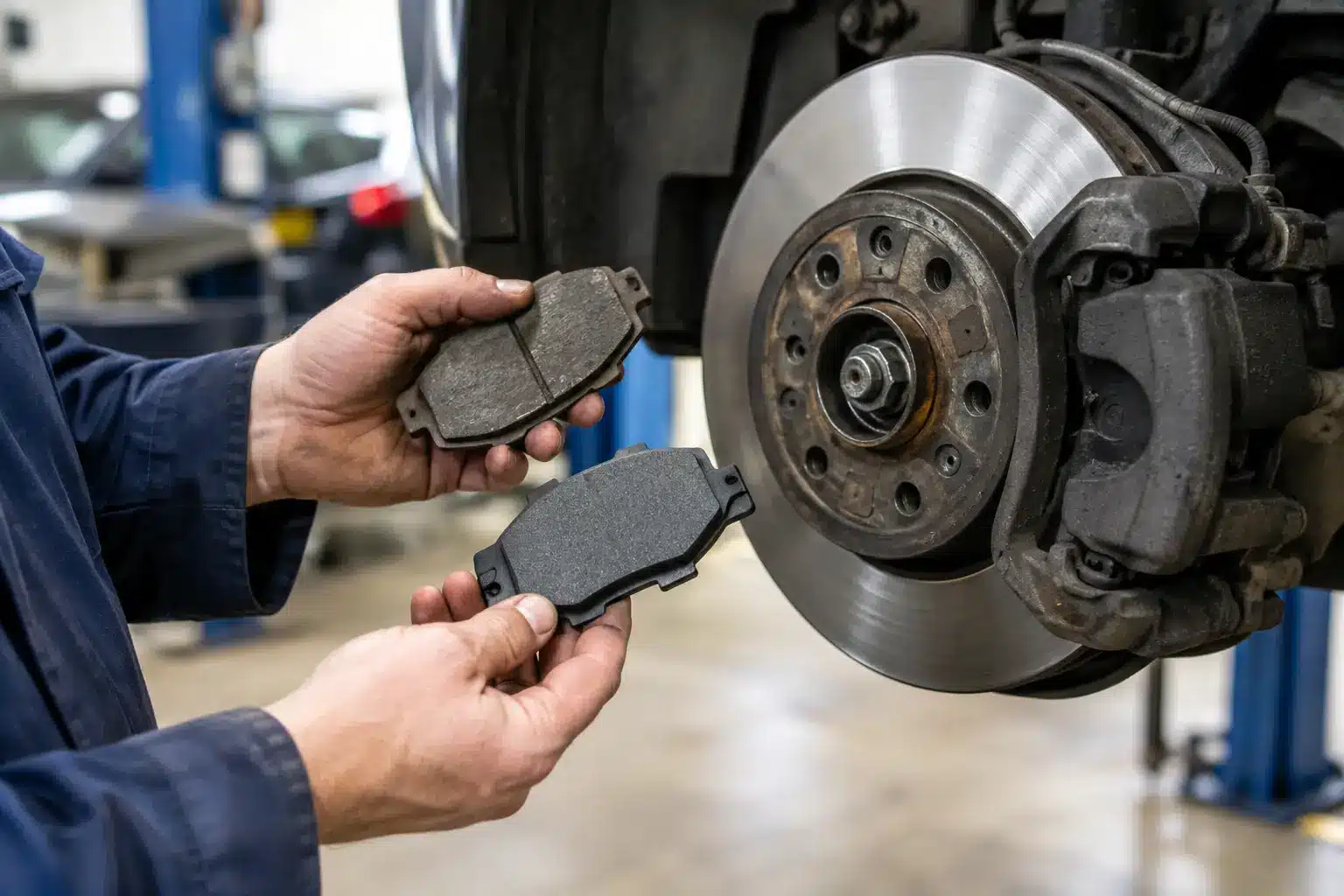
Your brake pads and discs work together every time you slow down. The discs are the round metal surfaces that turn with the wheels. When you press the brake pedal, the pads clamp against those discs to create friction and bring the car to a stop.
Brake pads are designed to wear down over time. That is normal. Brake discs also wear, although usually more slowly. They can become thin, corroded, scored or warped, particularly if pads have been left worn for too long.
Think of the pads as the replaceable friction material and the discs as the surface they grip. A problem with either can affect stopping distance, make the vehicle pull under braking or lead to an MOT failure.
When do brake pads need replacing?
In most cases, pads need changing because the friction material has worn close to its limit. Many cars have a dashboard warning light for pad wear, but not all do. Waiting for a warning light is not always the best plan, especially if you have already noticed a noise or change in braking.
We often see this issue when a customer hears a high-pitched squeal at low speed. Some pads have a small wear indicator that makes this noise deliberately. It is a prompt to get them checked before metal reaches the disc.
A harsh scraping or grinding noise is more urgent. This usually happens because the pad material has worn away and the metal backing plate is rubbing against the disc. At that point, a straightforward pad replacement can turn into pads and discs on the same axle.
Other signs include a brake pedal that feels less responsive, the car pulling to one side when braking, a burning smell after a journey, or wheels that look unusually dusty. These symptoms do not always mean worn pads, but they do need checking properly.
When do brake discs need replacing?
Discs should not be replaced simply because they look rusty through the wheel. Surface rust can appear overnight in damp Suffolk weather and often clears after a few normal brake applications. What matters is the condition of the braking surface and the disc thickness.
A technician will measure the disc against the manufacturer’s minimum thickness. If it is too thin, it cannot safely absorb and shed heat as intended. Deep grooves, heavy corrosion around the braking area, cracks, a pronounced outer lip or heat marks can also mean replacement is the sensible option.
You may feel a judder through the brake pedal or steering wheel when slowing down from higher speeds. Drivers often call this “warped discs”, but there can be several causes, including uneven material left on the disc, sticking brake components or wear in suspension parts. That is why fitting discs without checking the rest of the braking system can fail to solve the root cause.
Do pads and discs always need changing together?
No. If the discs are within their safe thickness, have an even surface and are performing correctly, it may be reasonable to fit pads only. This is often the case when pads are caught early during a service or brake inspection.
If the discs are worn, badly corroded, scored or below specification, new pads should be fitted with new discs. Fresh pads need a clean, even surface to bed into. Putting new pads against damaged discs can reduce braking performance, create noise and shorten the life of the new parts.
Brake components should always be replaced in axle pairs. If the front-left disc needs replacing, the front-right disc is replaced too. The same applies to pads. This helps the car brake evenly and avoids unpredictable pulling under braking.
The front brakes commonly wear faster because they deal with more of the stopping force. That is not a rule for every car, though. Vehicle weight, driving routes, towing, automatic gearboxes and stop-start traffic all affect wear. A car used mainly for short journeys around town may need brake attention sooner than one doing steady motorway miles.
The real issue may not be pads or discs
A noise or poor braking feel is not always caused by normal wear. A seized brake caliper can keep a pad pressed against the disc, causing overheating and rapid damage. Sticking slider pins can make one pad wear far more than the other. A brake fluid issue, worn tyre, suspension fault or wheel bearing problem can also affect how the vehicle feels when slowing down.
This is why we inspect more than the visible pad thickness. We check the discs, pads, calipers, carriers, brake pipes, hoses and the way the components move. If one pad has worn unevenly, we look for the reason rather than just fitting another set and sending you away with the same underlying problem.
At AutoFix4u, the approach is simple: identify the fault, explain what we have found in plain English, then give you a clear repair plan. If only pads are needed, we will say so. If the discs or a sticking caliper have caused the damage, you will know why before work goes ahead.
Can you drive with worn brake pads or discs?
If you are hearing metal-on-metal grinding, the brake pedal feels wrong, the car pulls sharply, a brake warning light is on, or braking has noticeably worsened, do not keep driving unless you need to get somewhere safe. Arrange a brake inspection as soon as possible.
A light squeal with otherwise normal braking may not mean immediate danger, but it is still worth booking in soon. Brake wear rarely improves on its own. Acting early usually gives you more options and can prevent extra damage to the discs.
If you have an MOT coming up, do not assume brakes will pass because the car stops normally. An MOT tester may identify worn pads, damaged discs, binding brakes or corroded brake components that are not obvious from the driver’s seat. A pre-MOT check can deal with these issues before test day and avoid a rushed repair.
What happens during a brake inspection?
A proper brake check starts with the symptoms. Tell the garage when the noise happens, whether it is worse when turning or braking, and whether the steering wheel shakes. Those details help narrow down the cause.
The wheels may need to come off so the technician can inspect pad thickness, measure disc condition and check whether the caliper is releasing correctly. They will also look for leaks, damaged hoses and uneven wear. Once the cause is confirmed, you should receive clear advice on what needs doing now, what can be monitored and why.
After new pads or discs are fitted, they need a bedding-in period. For the first few journeys, avoid repeated heavy braking where possible. Gentle, progressive braking helps the new surfaces mate properly. If a new noise, strong vibration or warning light appears afterwards, contact the garage rather than hoping it settles.
Brake faults are one area where clear answers matter. If your car is squealing, grinding, juddering or has failed its MOT on brakes, book a brake inspection with a local Lowestoft garage. You will get a straightforward assessment, clear pricing before repairs and honest recommendations on whether you need pads, discs or a deeper brake repair.


