
Brake Pads Versus Discs: What Needs Replacing?
A squealing noise when you brake or a grinding sound as you approach a junction can be worrying. You may wonder whether you need new brake pads, discs or both.
Understanding brake pads versus discs helps you recognise wear and make better repair decisions. However, the safest answer comes from checking the condition of the complete braking system.
At AutoFix4u Garage Lowestoft, we inspect braking problems before recommending replacement parts. Our technicians look for the cause of the noise, vibration or reduced braking performance.
Brake Pads Versus Discs: What Is the Difference?
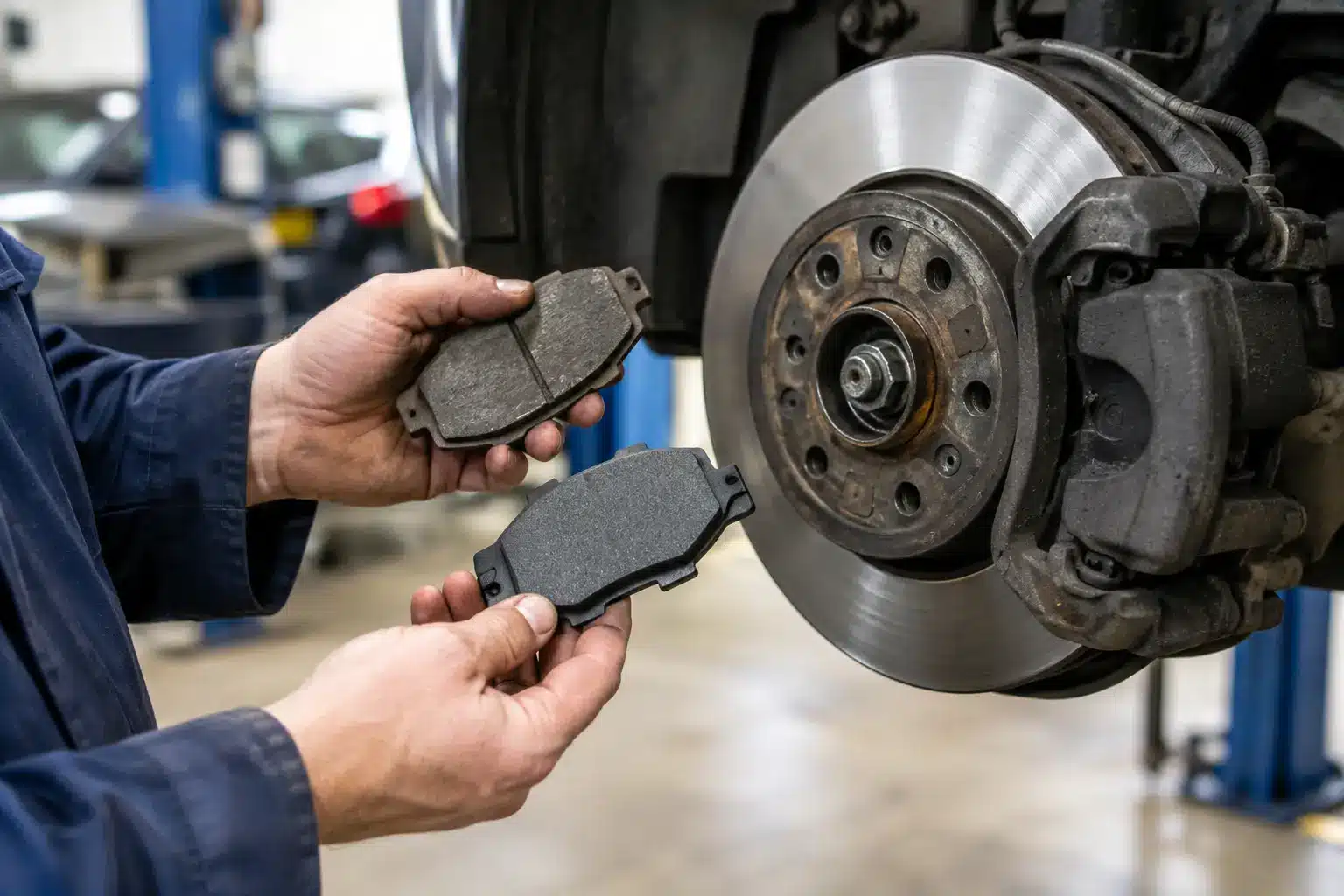
Brake pads and discs work together to slow your vehicle.
The brake discs rotate with the wheels. When you press the brake pedal, the brake caliper pushes the pads against each disc.
This creates friction and reduces the vehicle’s speed.
Brake pads contain friction material that gradually wears away. Brake discs also wear over time, but they usually last longer than the pads.
Both components need regular inspection to maintain safe braking.
What brake pads do
Brake pads create the friction needed to slow the wheels.
Every braking action removes a small amount of material from the pads. The rate of wear depends on your driving habits, vehicle weight and road conditions.
Frequent braking in town can wear pads faster than steady motorway driving.
What brake discs do
Brake discs provide the metal surface that the pads grip.
They absorb and release heat during braking. Over time, the discs become thinner and may develop corrosion, scoring or uneven surfaces.
A damaged disc can reduce braking performance and cause vibration.
When Do Brake Pads Need Replacing?
Brake pads usually need replacement when the friction material becomes too thin.
However, several symptoms can indicate wear before the pads reach their minimum thickness.
Squealing or squeaking brakes
A high-pitched squeal can indicate worn pads.
Some brake pads use a metal wear indicator that produces a noise when the friction material becomes thin.
However, squealing does not always mean replacement is necessary.
Dust, moisture, surface corrosion and vibration can also cause brake noise.
Our guide to squealing brakes explains why different noises occur.
Grinding noises when braking
Grinding often indicates a more serious problem.
If the friction material wears away completely, the metal backing plate may contact the brake disc.
This can damage the disc and affect braking performance.
Stop driving safely if you hear severe grinding or notice reduced braking. Arrange an inspection or recovery rather than continuing your journey.
Reduced braking performance
You may notice that the car takes longer to stop or that the brake pedal feels different.
Worn pads can contribute to braking problems, but they are not the only possible cause.
Brake fluid leaks, sticking calipers and other system faults can produce similar symptoms.
A full inspection helps identify the actual fault.
Brake pad warning lights
Some modern cars monitor brake pad wear.
A dashboard warning may appear when the pads reach a certain level.
Do not ignore the warning. Arrange a brake inspection before wear damages other components.
Read more about signs your brakes need attention.
When Do Brake Discs Need Replacing?
Brake discs need replacement when wear or damage makes them unsuitable for continued use.
A technician checks their thickness, surface condition and overall performance.
Discs below minimum thickness
Vehicle manufacturers specify a minimum safe disc thickness.
As the disc wears, it loses material and has less capacity to manage braking heat.
If a disc reaches its minimum thickness, it needs replacing.
Our technicians measure the discs rather than judging their condition by appearance alone.
Deep grooves or scoring
Worn brake pads can leave deep marks on a disc.
Small surface marks may not require replacement. However, heavy scoring can reduce effective contact between the pads and discs.
A proper inspection determines whether the disc remains suitable for use.
Brake vibration or judder
A vibration through the brake pedal or steering wheel can indicate uneven disc thickness or excessive disc run-out.
However, brake judder can also result from sticking calipers, corrosion or suspension problems.
Replacing discs without checking these components may allow the problem to return.
Excessive corrosion
Surface rust often appears after rain or when a car remains parked.
Normal braking may clear light surface corrosion.
However, heavy corrosion, pitting or damage across the braking surface needs professional attention.
Our vehicle vibration repair guide explains other possible causes of shaking and brake judder.
Do Brake Pads and Discs Always Need Replacing Together?
No. You do not always need to replace pads and discs at the same time.
If the discs remain within their manufacturer’s specifications, a technician may recommend replacing only the worn pads.
However, damaged or excessively worn discs usually need replacement alongside new pads.
Fresh pads require a suitable braking surface to work correctly.
Installing new pads against badly worn discs can cause noise, uneven contact and premature wear.
Why brakes need replacement in axle pairs
Brake discs and pads should receive attention on both sides of the same axle.
For example, if the front discs need replacement, the technician normally replaces both front discs.
The same principle applies to brake pads.
This helps maintain balanced braking performance.
However, the front and rear brakes do not automatically need replacing together. Their condition determines the work required.
Why Brake Pads and Discs Wear at Different Rates
Several factors affect brake wear.
Driving conditions
Frequent braking in traffic places more demand on the braking system.
Drivers making short journeys around Lowestoft may use their brakes more frequently than drivers travelling mainly on motorways.
Vehicle weight
Heavier vehicles need more braking force.
Carrying passengers, tools or luggage can also increase braking demands.
Driving habits
Hard acceleration followed by heavy braking generates more heat and friction.
Smooth driving can reduce unnecessary wear.
Brake system faults
A sticking caliper can keep a pad in contact with the disc.
This creates excessive heat and uneven wear, even when the driver is not braking.
Replacing pads without fixing the caliper fault may cause the same problem again.
That is why we inspect related components before recommending repairs.
The Problem Might Not Be the Pads or Discs
Brake noise and vibration do not always indicate normal wear.
Other problems can include:
- Sticking brake calipers.
- Seized caliper slider pins.
- Brake fluid leaks.
- Damaged brake hoses.
- Worn suspension components.
- Wheel bearing problems.
- Uneven tyre wear.
For example, a sticking caliper may cause one wheel to become unusually hot.
You might also notice a burning smell or the vehicle pulling to one side.
Do not touch a hot wheel or brake component. Stop safely and arrange help if you suspect severe overheating or binding.
A thorough inspection helps us separate ordinary wear from mechanical faults.
Can Worn Brakes Cause an MOT Failure?
Yes. Brake problems are a common reason for MOT advisories and failures.
An MOT inspection can identify excessive wear, damaged components, reduced braking performance and other safety concerns.
Brake pads with limited remaining material may receive an advisory or cause a failure, depending on their condition.
Discs can also fail if their wear or damage meets the relevant rejection criteria.
An advisory does not mean you should ignore the problem.
The condition may deteriorate before your next MOT.
Read our MOT advisory versus failure guide to understand the difference.
If your vehicle has already failed, a brake repair inspection in Lowestoft can help identify what needs attention.
What Happens During a Professional Brake Inspection?
At AutoFix4u Garage Lowestoft, we begin by discussing the symptoms.
We ask when the noise occurs and whether you have noticed vibration, pulling or changes in pedal feel.
Next, we inspect the braking components.
Depending on the problem, our checks may include:
- Measuring brake pad thickness.
- Checking disc thickness and surface condition.
- Inspecting the calipers and slider mechanisms.
- Looking for brake fluid leaks.
- Checking visible brake hoses and pipes.
- Investigating uneven component wear.
- Assessing related steering or suspension concerns.
Once we identify the fault, we explain what needs replacing.
If the pads are worn but the discs remain suitable, we can recommend the appropriate repair.
If damaged discs or another fault require attention, we explain why before additional work begins.
You receive clear information and an estimate before approving repairs.
How Long Do Brake Pads and Discs Last?
There is no single replacement interval for every vehicle.
Brake pad life depends on driving style, vehicle weight, component quality and operating conditions.
Brake discs often last longer, but this is not guaranteed.
For example, a sticking caliper can damage relatively new discs.
Frequent heavy braking can also accelerate wear.
Regular servicing and brake inspections help identify problems early.
If your car develops a new noise, do not wait for its next scheduled service.
Can You Drive With Worn Brake Pads or Discs?
The answer depends on the severity of the wear or fault.
A slight squeal may have a relatively simple cause. However, severe grinding, weak braking or a sudden change in pedal feel needs urgent attention.
Stop driving safely if:
- The brakes produce severe metal-on-metal grinding.
- The pedal becomes unusually soft or sinks.
- The vehicle pulls sharply during braking.
- You notice smoke or intense heat near a wheel.
- Braking performance becomes noticeably worse.
- A serious brake system warning appears.
If the vehicle may be unsafe, arrange recovery rather than driving it to the garage.
Early inspection can prevent extra damage and reduce repair costs.
Book Brake Pads and Discs Inspection in Lowestoft
Brake pads and discs are essential safety components.
Replacing the correct parts at the right time helps protect your braking performance.
At AutoFix4u Garage Lowestoft, we help drivers with squealing brakes, grinding noises, brake vibration and MOT-related brake repairs.
Our team checks the braking system, explains the findings and recommends work based on the vehicle’s condition.
Whether your car needs pads, discs or another brake repair, we aim to provide clear advice and transparent estimates.
If your brakes make unusual noises or no longer feel right, contact us for an inspection.
Contact AutoFix4u Garage Lowestoft
- Call: 07778 979802
- WhatsApp: Message Us on WhatsApp
- Free Estimate: Request a Brake Repair Estimate
- Contact: Contact Our Garage
Book your brake inspection today and get clear advice before a small problem becomes a major repair.


