
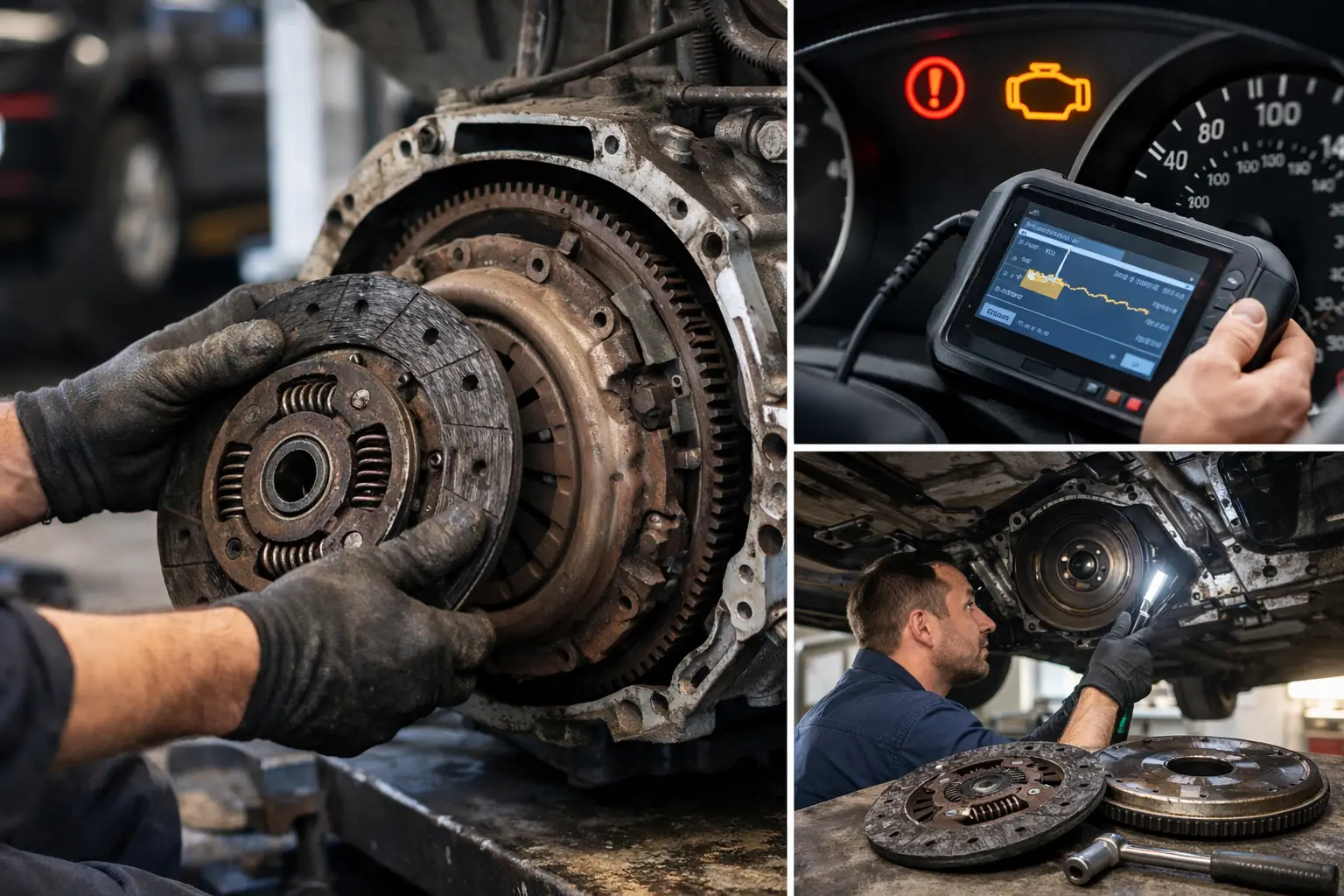
Clutch Replacement Lowestoft: Signs and Fixes
You usually notice a failing clutch at the worst possible time – pulling away at a busy roundabout, crawling through traffic, or trying to get the car into gear before work. If you are searching for clutch replacement Lowestoft, there is a good chance the problem has already started affecting how the car drives. In most cases, the sooner it is checked, the less chance there is of being left stranded or causing extra damage.
A worn clutch rarely fails without warning. Most drivers get a few signs first. The trouble is, those signs can be easy to ignore if the car still moves. We often see people put up with slipping, stiff gears or a biting point that feels wrong for weeks, then one day the car barely drives at all.
When clutch replacement in Lowestoft becomes necessary
The clutch is what lets your engine and gearbox work together properly. Every time you change gear or pull away, it takes wear. Over time, the friction material wears down, heat builds up, and the parts stop gripping as they should.
This usually happens because of normal wear, but driving style, stop-start traffic and towing can all shorten clutch life. If you mainly use the car around town, the clutch often works harder than it would on long motorway runs.
In most cases, clutch replacement is needed when the clutch starts slipping, dragging or no longer disengaging properly. Sometimes the issue is with the clutch plate itself. Other times it can involve the pressure plate, release bearing, hydraulic system or even the flywheel. That is why a proper inspection matters. Replacing parts without identifying the real fault can waste time and money.
Common signs your clutch is wearing out
A slipping clutch is one of the most common problems. You press the accelerator, the revs rise, but the car does not pick up speed properly. This often shows up in higher gears or when going uphill. At first it may only happen now and then. After that, it usually gets worse quite quickly.
Difficulty selecting gears is another warning sign. If first or reverse feels hard to engage, or the gearstick feels notchy when the engine is running, the clutch may not be releasing fully. Some drivers describe it as the car fighting them at every gear change.
You might also notice a high biting point. That means the clutch starts to engage with the pedal almost fully lifted. On its own, that does not always mean immediate failure, but it often shows the clutch is well worn.
Burning smells can also point to clutch trouble, especially after manoeuvring, hill starts or heavy traffic. That smell usually comes from excess heat when the clutch is slipping more than it should.
Then there is pedal feel. If the clutch pedal suddenly feels heavy, loose, spongy or stays down, there could be a hydraulic problem as well as clutch wear. In some cases, the clutch itself is still usable but the slave cylinder or master cylinder has failed. That is exactly why a diagnostic-first approach matters.
What causes clutch problems?
Wear is the obvious one, but it is not the whole story. We often see this issue when a car has been driven for too long with early warning signs. A small amount of slip turns into major heat damage. Once that happens, other components can suffer too.
Driving habits play a part. Resting your foot on the clutch pedal, holding the car on the clutch on hills, or repeated short urban journeys can all speed up wear. That does not mean you have done anything unusual. For many local drivers, school runs, commuting and queueing traffic are just part of everyday use.
There are also faults that feel like clutch failure but are not exactly the same thing. A gearbox issue, worn linkage, hydraulic leak or damaged flywheel can all create similar symptoms. That is why guessing is risky. The fix depends on the actual cause.
Why prompt clutch replacement matters
If the clutch is slipping badly, the car can become unsafe to drive. Pulling out from junctions gets harder because the power delivery is unpredictable. Overtaking can feel slow and unresponsive. In the worst cases, the car will not move properly at all.
Leaving it too long can also increase the repair bill. A worn clutch plate on its own is one thing. A worn clutch that damages the flywheel or overheats related parts is another. Catching it earlier gives you more options.
That said, not every clutch issue means the same level of urgency. If the pedal feels slightly different but the car still drives normally, it may be a developing issue rather than a complete failure. If the car struggles to go into gear, slips under load or smells burnt, it is better to stop pushing it and get it checked.
What to expect from a proper clutch diagnosis
A good garage should not jump straight to replacing parts. First, the fault needs confirming. That starts with the symptoms you have noticed – slipping, gear selection issues, pedal feel, noises or burning smells. Road testing can help, but only if the car is still safe to drive.
After that, the clutch system needs checking properly. That may include the hydraulic components, the release mechanism and, once removed, the clutch assembly itself. If the flywheel shows excess wear or heat damage, that should be explained clearly before any extra work is done.
The main thing most drivers want is simple: what is wrong, what needs doing, and how long the car will be off the road. That is the right way to handle it. Clear pricing, no guesswork, no surprise extras.
Clutch replacement Lowestoft drivers can rely on
If you depend on one car for work, family runs or daily travel, downtime matters. That is why speed and communication are just as important as the repair itself. In many cases, once the fault has been confirmed and parts are available, the job can be turned around quickly.
For drivers in Lowestoft, Oulton Broad, Carlton Colville, Kessingland, Beccles and nearby areas, using a local garage makes things simpler. You are not dealing with a call centre or waiting days for answers. You can speak to someone who understands the problem, explain what the car is doing, and get a clear plan.
At AutoFix4u, the focus is on finding the root cause first, then carrying out the repair properly using quality parts. That matters with clutch work because the labour involved is significant. You want the job done once, and done right.
How long does a clutch last?
There is no single mileage where every clutch fails. Some last well over 70,000 miles. Some wear out much earlier. It depends on the car, how it is driven, the roads it covers and whether the vehicle regularly carries heavy loads.
A car that spends most of its life in stop-start traffic will often wear a clutch faster than one doing steady longer trips. Newer drivers and older vehicles can also see different patterns of wear. So while mileage gives a rough guide, symptoms are usually more useful than numbers.
Should you keep driving with a bad clutch?
Sometimes people ask if they can just carry on for a few more days. The honest answer is – it depends. If the clutch is only just starting to show wear, you may still be able to drive short distances carefully. But if it is slipping badly, struggling to select gears or the pedal feel has changed suddenly, there is a real risk it will fail completely.
That can leave you unable to move the car or stuck in gear. It can also make driving stressful and unpredictable. If you are not sure, get it assessed before it turns into a recovery job.
Booking the next step
If your car is revving without pulling properly, struggling to go into gear, or the clutch pedal no longer feels right, do not wait for a full breakdown. A proper inspection will tell you whether it is normal wear, a hydraulic fault or a clutch assembly that needs replacing.
The best next step is simple. Call now, explain the symptoms, and book the car in for a clutch check. Same-day slots may be available depending on workload, and you will get clear advice, transparent pricing and an honest repair plan. A worn clutch will not fix itself, but caught early, it can usually be sorted before it causes a bigger problem.


One thought on “Clutch Replacement Lowestoft: Signs and Fixes”