How to Arrange Local Vehicle Recovery
A car rarely breaks down at a convenient time. It is usually on the school run, on the way to work, or just after an MOT failure when you were hoping the day would get easier. If you need to arrange local vehicle recovery, the main thing is to stay safe first, then make sure the car goes to a garage that can actually diagnose and fix the fault properly.
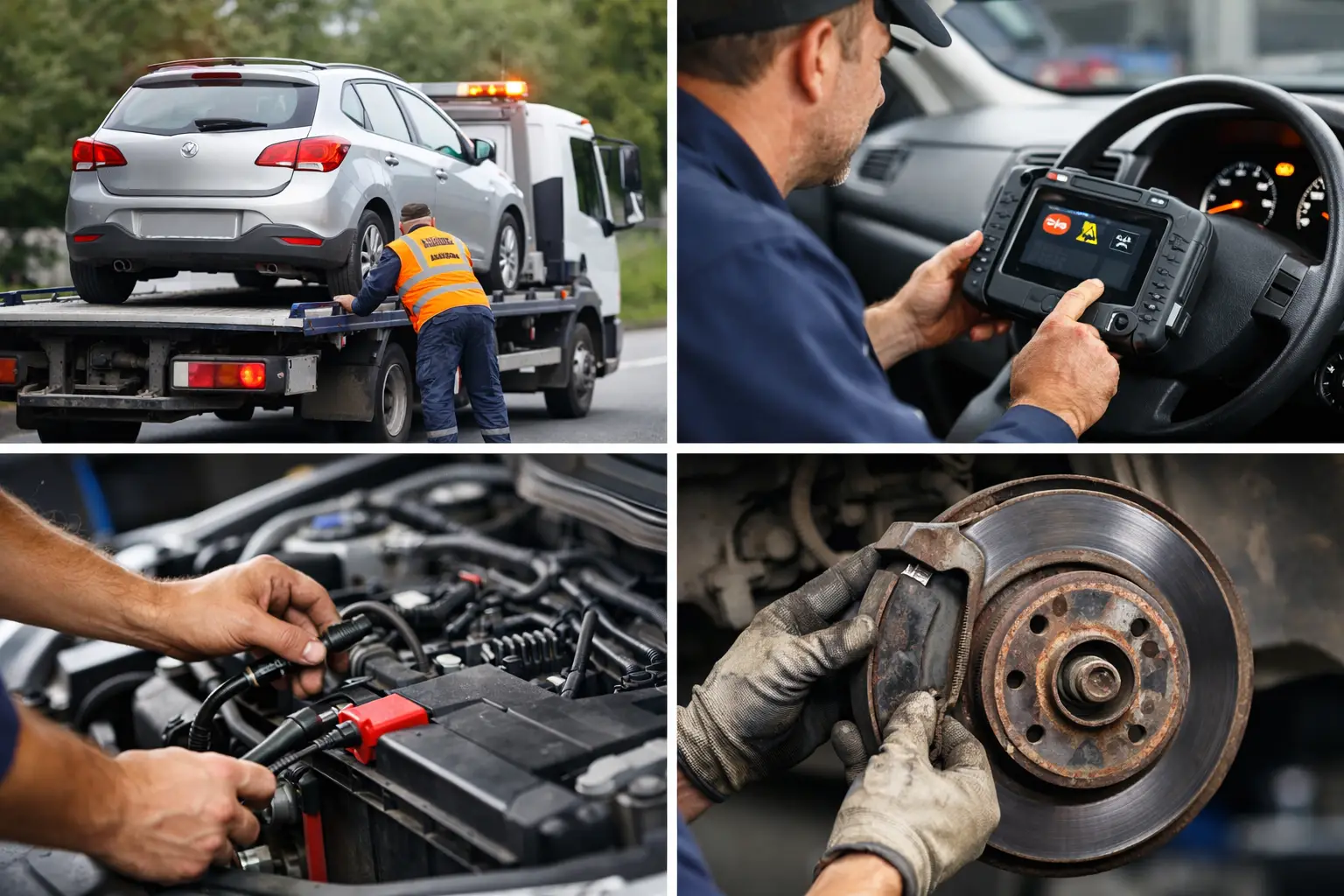
We see this a lot with non-starts, warning lights, sudden loss of power, flat batteries, overheating, clutch problems, and cars that have gone into limp mode. In most cases, the recovery itself is only half the job. The bigger issue is what happens next. If the vehicle is dropped off somewhere without a clear plan, you can lose more time and end up paying twice – once for transport and again for guesswork.
When you need to arrange local vehicle recovery
Most people call recovery when the car simply will not move, but there are plenty of situations where it is the sensible option even if the engine still runs. A brake fault, heavy clutch slip, overheating engine, or serious warning light can all mean the car is not safe to keep driving.
We often see this issue when a driver tries to push on for another few miles and turns a manageable repair into a bigger one. A car with low power might have a DPF problem, turbo fault, or fuel issue. If it is struggling badly, smoking, or showing multiple warning lights, it is better to stop and get advice rather than force it.
The same applies after an MOT failure if the vehicle has been marked as dangerous to drive. In that case, arranging recovery is often the safest and simplest way to get it to a workshop for repairs.
What to do before recovery arrives
Start with the basics. Move the car somewhere safe if you can do that without risk. If not, switch on the hazard lights, get yourself and any passengers to a safe place, and keep well clear of traffic.
Once you are safe, think about what the car did just before the problem started. Did the engine warning light come on? Was there a loss of power? Did the battery go flat after slow cranking? Was there a burning smell, knocking noise, or warning message on the dash? These details matter because they help the garage prepare for what is coming in.
It also helps to have your registration, location, and a short description of the fault ready. That makes it quicker to arrange the right kind of help, especially if the car is stuck in a tight space, will not roll, or has suffered a more serious mechanical issue.
Arrange local vehicle recovery with the repair in mind
This is the part many drivers miss. Recovery gets the vehicle off the road, but it does not solve the reason it stopped. If the car is taken to a place that is booked up for days or only carries out basic checks, the delay starts all over again.
A better approach is to arrange local vehicle recovery to a garage that can inspect the problem properly as soon as possible. That usually means diagnostics first, then a clear explanation of the fault, then a repair plan. If the issue is electrical, sensor-related, fuel-related, or linked to DPF or engine management, proper testing matters. Swapping parts on a guess is where costs start creeping up.
At a local independent garage, there is usually more direct communication as well. You are not dealing with a call centre or waiting for updates to pass through three people. You speak to the workshop, explain what happened, and get a more realistic idea of the next step.
Common reasons cars need recovery
Some faults are obvious. A snapped clutch, flat battery, puncture, or starter motor failure can leave the car immobile straight away. Others start small and get worse quickly.
We often see vehicles recovered in after repeated warning lights have been ignored for a few days. What starts as an engine warning light can become limp mode. A cooling issue can become overheating. A battery problem can turn into a non-start at the exact moment you need the car most.
Brake issues are another one not to ignore. If the pedal feels soft, the car pulls badly, or there is metal-on-metal grinding, recovery is the sensible choice. The same goes for steering problems, severe suspension knocks, or a wheel-related issue that makes the car feel unstable.
Then there are MOT failures. If the car has failed on brakes, suspension, tyres, emissions, or another serious fault, driving it away may not be wise or even legal depending on the defect. Recovery removes that risk and gets the car where it needs to be.
What a good local recovery and repair process looks like
The best outcome is simple. The car is collected promptly, taken to a nearby garage, checked properly, and you are told in plain English what has gone wrong.
That should include whether the fault is minor or urgent, whether the repair can be done the same day, and whether any extra checks are needed. Sometimes the cause is straightforward, such as a failed battery or worn brake component. Sometimes it is less obvious, like an intermittent electrical fault or a blocked DPF causing reduced performance.
This is where proper diagnostics earn their keep. If a warning light has triggered because of an underlying issue, the code alone is not the full answer. The garage still needs to test the system and confirm the root cause. That saves money in the long run and gives you a repair that lasts.
Local matters when time matters
If your car is used every day, distance matters. A local recovery and repair setup is usually quicker, easier to manage, and more practical if you need updates, onward travel, or fast collection once the work is done.
For drivers around Lowestoft, Oulton Broad, Carlton Colville, Kessingland, Beccles, Worlingham, Hopton-on-Sea, Corton and nearby areas, keeping the job local often means less waiting and better communication. You are dealing with a garage that understands the area, works within a realistic radius, and can focus on getting you back on the road rather than passing the job around.
That local approach also makes follow-up easier. If the repair needs a second check, or if another issue shows up during inspection, you are not trying to sort it with a business miles away.
What to ask when booking recovery support
You do not need a long checklist, but a few practical questions can save time. Ask where the car will be taken, whether the garage can inspect it promptly, and what information they need from you. If the vehicle has warning lights, intermittent faults, or recent repair history, mention that straight away.
It is also worth asking what happens after drop-off. Will the garage contact you once they have checked it? Will they carry out diagnostics before quoting? Can they help with jump starts, battery issues, transport assistance, or urgent breakdown support if the problem is less severe than first thought?
Straight answers matter here. You want clear pricing, honest recommendations, and no surprise extras. If the workshop sounds vague about what happens after recovery, that is usually a warning sign.
Recovery is the start, not the finish
The hard part for most drivers is not arranging the tow. It is being stuck without a vehicle and not knowing whether the fault will be simple, expensive, or time-consuming. That is why the next step matters more than people think.
A good garage will not just take delivery of the car and leave it sitting in a queue. They will look at the fault, explain it properly, and tell you what can be done. In many cases, the problem is repairable quicker than expected once the vehicle is in the right hands.
If you are dealing with a breakdown, warning lights, loss of power, or a car that has failed its MOT and should not be driven, act early. Arrange recovery, get the fault checked properly, and make sure the vehicle goes somewhere that focuses on the cause, not just the symptom.
If you are local and need help with recovery support, diagnostics, or urgent repairs, AutoFix4u can help you get the car transported, assessed, and repaired with clear advice from the start. Call now, explain the fault, and get the next step sorted before a small problem becomes a bigger one.
When your car lets you down, the best move is usually the simple one – get it somewhere safe, get it looked at properly, and get a clear answer you can trust.


3 thoughts on “How to Arrange Local Vehicle Recovery”