Blocked DPF Regeneration Explained
That amber DPF light rarely appears at a convenient time. One day the car feels normal, then you notice sluggish acceleration, a rising fuel bill, or the engine dropping into limp mode on the school run or commute. If you are looking into DPF regeneration for blocked filter problems, the main thing to know is this – sometimes a simple drive can clear it, and sometimes it will not. Knowing the difference can save you money and stop a small issue turning into a larger repair.
What DPF regeneration for blocked filter actually means
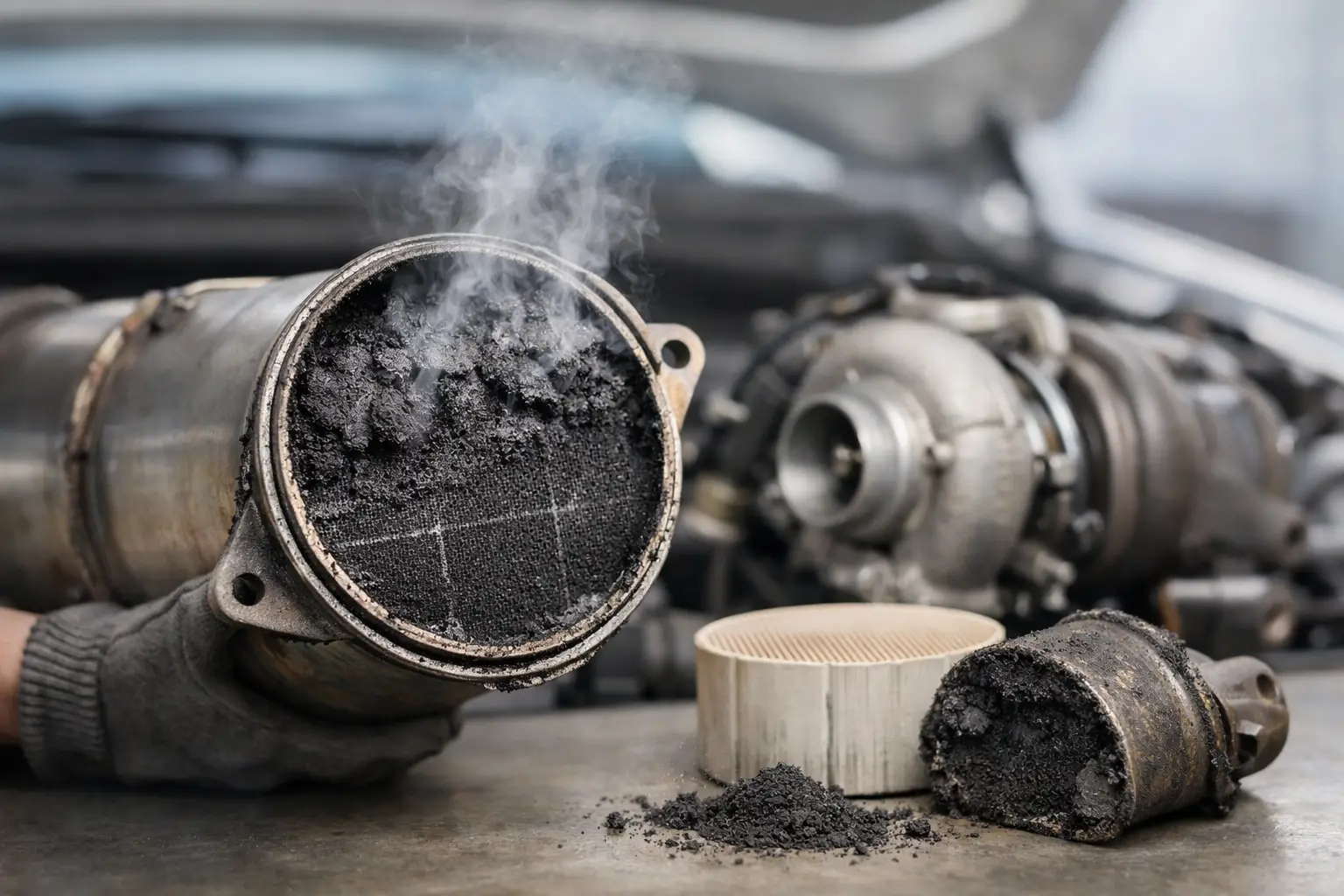
A DPF, or diesel particulate filter, is fitted to catch soot from the exhaust before it leaves the vehicle. Over time, that soot builds up. Regeneration is the process of burning the soot off so the filter can work properly again.
When people ask about DPF regeneration for blocked filter faults, they are usually talking about one of two situations. The first is a filter that is partially loaded with soot and still able to regenerate. The second is a filter that is heavily blocked, where the car has already logged a fault code or gone into reduced power mode. Those two situations need different handling.
A lot of drivers are told to “take it for a run”. That advice is not always wrong, but it is not a cure-all either. If the underlying fault is a failed sensor, poor injector spray pattern, EGR issue, turbo problem or interrupted regeneration cycle, the blockage often comes back.
Signs your DPF may be blocked
The warning light is the obvious one, but it is not the only clue. A blocked DPF can also cause poor throttle response, reduced engine power, cooling fans running when you switch off, a stronger hot smell after driving, increased fuel consumption and repeated attempts by the car to regenerate.
Some drivers notice the engine idle changes slightly or the start-stop system stops working. Others only realise there is a problem when the car struggles uphill or enters limp mode. If the car is also smoking more than usual, that needs checking properly. Excess soot production points to a cause, not just a blocked filter.
Why DPFs get blocked in the first place
The most common reason is driving pattern. Diesel cars that mainly do short local trips often do not get hot enough, for long enough, to complete a regeneration. The soot load keeps climbing until the warning light appears.
That said, driving style is only part of the story. We regularly see blocked DPFs linked to faults elsewhere in the system. A faulty differential pressure sensor can misread the filter load. A temperature sensor fault can prevent regeneration from starting. An EGR valve issue can increase soot production. Low-quality oil, missed servicing and injector problems can all make matters worse.
This is why proper diagnostics matter. If you only force a regeneration without checking why the filter blocked, you may pay for the same job twice.
Can you clear it by driving?
Sometimes, yes. If the warning has only just appeared, the car is still driving normally, and there are no additional engine management faults, a sustained drive at the correct speed and engine temperature may allow the vehicle to complete an active regeneration.
That only works if the soot load is still within safe limits and the car is able to trigger the process. If the filter is too blocked, or there is a fault preventing regeneration, continuing to drive can make the problem worse. In some cases, excess back pressure can affect turbo performance or lead to further engine issues.
So the honest answer is – it depends. A mild blockage may respond to the right driving conditions. A heavily loaded filter, especially one with warning lights and reduced power, usually needs workshop attention.
When a forced regeneration is the right move
A forced regeneration is carried out with diagnostic equipment. It tells the vehicle to raise exhaust temperatures and burn off the soot while the car is stationary or under controlled conditions. This is often the next step when the car cannot complete regeneration by normal driving alone.
But a forced regen is not something to do blindly. If the soot load is too high, or the filter contains a lot of ash rather than soot, forcing regeneration may fail or put too much stress on the system. Ash is different from soot. Soot can be burned off. Ash is the leftover residue from oil additives and normal engine wear, and it builds up over the life of the filter.
A good garage checks live data first. That means reading fault codes, pressure readings, exhaust temperatures and calculated soot load. If the numbers say a forced regeneration is safe and sensible, it can be an effective fix. If not, the better option may be off-car cleaning or further repair work first.
DPF cleaning versus regeneration
This is where many drivers get mixed messages. Regeneration burns soot. Cleaning removes built-up contamination from the filter, including ash that regeneration cannot get rid of.
If a filter has been repeatedly blocked for months, regeneration alone may not restore proper flow. In that case, professional DPF cleaning can be the better answer. It gives the filter a proper chance of recovery without going straight to replacement.
Replacement is sometimes necessary, but not as often as some people fear. The key is assessing the filter condition honestly. If the core is damaged, melted or cracked, cleaning will not fix that. If the filter is structurally sound but loaded with soot and ash, cleaning may save it.
Why DIY fixes can be a false economy
There are plenty of fuel additives and quick-fix claims about blocked DPFs. Some can help in very early stages, but none of them replace diagnostics. If the car has an actual fault stopping regeneration, pouring something into the tank will not solve it.
The bigger risk is delay. Drivers often try a few low-cost fixes while the blockage gets worse. By the time the vehicle reaches a garage, the soot load is far higher and the repair options are narrower.
If you are already seeing warning lights, poor performance or limp mode, guessing is rarely the cheapest route. A proper inspection gives you a clear answer and the right next step.
What a garage should check before carrying out DPF regeneration for blocked filter faults
Before any regeneration is attempted, the technician should be checking the basics and the data behind the fault. That includes stored fault codes, pressure sensor readings, temperature sensor performance, oil level, coolant temperature and signs of excess soot from elsewhere in the engine.
They should also ask how the car is used. A diesel doing repeated short trips around town has different needs from one doing regular dual carriageway mileage. The repair plan should fit the vehicle and how it is driven, not just clear the warning light and send you away.
This is where a straight answer matters. If the filter can be regenerated safely, you should be told. If it needs cleaning, or another fault needs fixing first, you should be told that too. Clear pricing and no surprise extras make a stressful repair much easier to deal with.
How to reduce the chance of it happening again
Once the DPF has been recovered, the aim is keeping it that way. That usually means keeping on top of servicing, using the correct low-ash engine oil, and not ignoring early warning signs. If the car starts a regeneration, interrupting it repeatedly can contribute to future blockages.
For some drivers, a regular longer run helps the system do its job. For others, especially if the car only ever does short local journeys, it may be worth asking whether that diesel is still the right fit for their driving pattern. That is not a sales pitch. It is just being realistic about how these systems behave.
If your diesel is showing DPF symptoms and you need a proper answer rather than guesswork, a local diagnostic check is the safest place to start. At AutoFix4u, we focus on finding the actual fault, explaining it clearly and recommending the fix that makes sense for the vehicle. Same-day slots are available where possible, with clear quotes and no hidden costs.
A blocked DPF does not always mean the worst, but it does mean the car is asking for attention now rather than later.


15 thoughts on “Blocked DPF Regeneration Explained”