Manual Clutch Versus Gearbox Fault: How to Tell
Your car struggles to select first gear, the clutch pedal feels different, or the engine revs rise without the car accelerating properly. Is the problem with the clutch or the gearbox?
A manual clutch versus gearbox fault can be difficult to identify because several symptoms overlap. However, the correct repair depends on which component has failed.
At AutoFix4u Garage Lowestoft, we investigate clutch and gearbox problems before recommending replacement parts. The aim is to identify the cause, explain the options and avoid unnecessary repairs.
What Is the Difference Between a Clutch and a Gearbox?
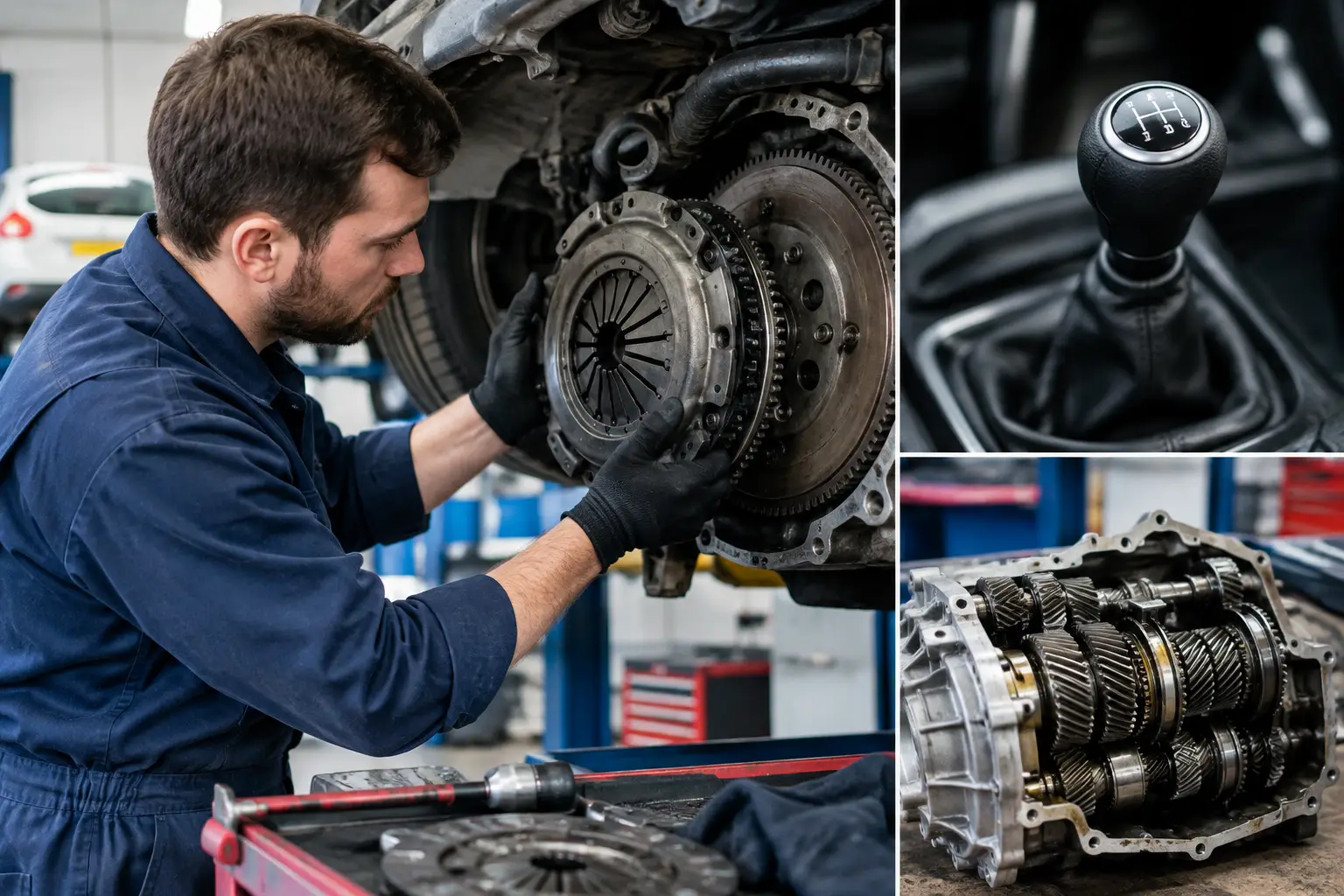
The clutch connects and disconnects the engine from the gearbox. When you press the clutch pedal, it allows you to change gear without forcing the transmission components.
The gearbox uses different gear ratios to transfer engine power to the wheels. It also contains components such as gears, bearings, shafts and synchronisers.
Both systems work together, but they develop different faults.
A worn clutch often causes slipping, juddering or difficulty pulling away. A gearbox problem may cause grinding noises, difficulty selecting a particular gear or gears jumping out during driving.
The symptoms provide clues, but an inspection is needed to confirm the fault.
Common Signs of a Clutch Fault
1. Engine Revs Increase Without Acceleration
This is one of the clearest signs of a slipping clutch.
You press the accelerator, the engine speed increases, but the vehicle does not accelerate as expected. The problem may be more noticeable in higher gears or when driving uphill.
The clutch friction plate may be worn, overheated or contaminated with oil.
If these symptoms sound familiar, our clutch replacement information explains the usual causes and repair options.
2. Difficulty Selecting First or Reverse Gear
A clutch that does not disengage fully can make gear selection difficult.
You might notice:
- First gear becomes difficult to engage.
- Reverse gear crunches when selected.
- The vehicle tries to creep forward with the clutch pedal fully depressed.
- Gear changes improve when the engine is switched off.
These symptoms may indicate a clutch release or hydraulic problem. They do not automatically mean the gearbox needs replacing.
3. A High or Unusual Clutch Biting Point
The biting point is where the clutch begins transferring power as you release the pedal.
A biting point that has changed noticeably can indicate clutch wear or an operating-system fault.
Some vehicles naturally have a higher biting point. Therefore, this symptom should be assessed alongside other signs.
4. Clutch Judder When Pulling Away
A juddering clutch can cause the vehicle to shake when moving off in first gear or reverse.
Possible causes include worn friction components, a damaged flywheel, oil contamination and worn engine mountings.
A proper check can help identify whether the vibration comes from the clutch or another drivetrain component.
5. Clutch Pedal Problems
A clutch pedal that feels soft, heavy or stays on the floor can indicate a mechanical or hydraulic fault.
The problem may involve the clutch master cylinder, slave cylinder, release mechanism or associated pipework.
In some cases, repairing the hydraulic system can resolve the fault without replacing the complete clutch assembly.
Common Signs of a Manual Gearbox Fault
1. Grinding or Crunching in a Particular Gear
If one gear regularly crunches while the others work normally, the problem may involve a worn synchroniser or gear-selection mechanism.
Synchronisers help match the speeds of internal gearbox components during a gear change.
However, clutch drag can also cause crunching. A mechanic should check both possibilities before recommending gearbox repairs.
2. Gearbox Whining or Rumbling
Unusual noises can indicate worn bearings, internal components or lubrication problems.
The noise may change depending on road speed, selected gear or engine load.
A whining gearbox does not always require complete replacement. The cause and extent of the damage need assessing first.
3. A Gear Jumps Out While Driving
A manual gearbox should remain in the selected gear during normal operation.
If the gear lever returns to neutral unexpectedly, there may be a problem with the selector mechanism, internal engagement components or gearbox mountings.
This fault requires prompt inspection because unexpected loss of drive can be dangerous.
4. Stiff or Inaccurate Gear Selection
Sometimes the gearbox itself is not damaged.
Worn gear linkage bushes, selector cables or external mechanisms can make the lever difficult to move.
Where the fault is external, the repair may be considerably simpler than an internal gearbox rebuild.
Our gearbox repair service in Lowestoft covers the inspection and repair options for transmission-related problems.
Clutch Fault or Gearbox Fault? How to Recognise the Difference
The following symptoms can help narrow down the problem.
| Symptom | Possible Cause |
|---|---|
| Engine revs rise without matching acceleration | Slipping clutch |
| First and reverse are difficult with the engine running | Clutch not disengaging fully |
| One particular gear repeatedly crunches | Synchroniser or selection fault |
| Clutch pedal stays on the floor | Hydraulic or release-system problem |
| Gear jumps out unexpectedly | Gearbox or selector fault |
| Vehicle shakes when pulling away | Clutch, flywheel or mounting fault |
| Gear lever feels loose or inaccurate | Linkage or cable fault |
These are useful indicators rather than a confirmed diagnosis.
For example, a clutch hydraulic fault can make several gears difficult to select. Meanwhile, a damaged selector cable can make the gearbox appear faulty even when its internal components remain serviceable.
How AutoFix4u Garage Lowestoft Checks Clutch and Gearbox Problems
A correct diagnosis begins with understanding exactly when the fault appears.
We first consider the symptoms. Does the clutch slip under acceleration? Is reverse difficult to engage? Does the gearbox make noise in one gear or several?
Depending on the vehicle, the inspection may include the following checks.
Clutch Operation
We assess pedal movement, biting point and signs of slipping or incomplete disengagement.
Hydraulic System
Where applicable, we inspect accessible hydraulic components and look for leaks or abnormal operation.
Gear Linkage and Selector Mechanism
We check whether the gear lever, cables and external linkage components operate correctly.
Engine and Gearbox Mountings
Excessive drivetrain movement can cause vibrations, knocking or difficulty selecting gears.
Gearbox Condition
Where accessible, we check for external oil leaks and investigate noises that may indicate internal wear.
Road Test
When the vehicle is safe to drive, a controlled road test can help reproduce the symptoms and identify the conditions that trigger them.
Some internal clutch and gearbox faults cannot be confirmed without further dismantling. If additional work is necessary, we explain the reason before proceeding.
When Is Clutch Replacement Necessary?
If inspection confirms a worn or damaged clutch assembly, replacement may be required.
A typical clutch replacement can involve the friction plate, pressure plate and release bearing. The exact parts depend on the vehicle.
Where fitted, the dual-mass flywheel should also be inspected. It does not automatically need replacing, but excessive wear or damage should be addressed.
Any oil leak responsible for clutch contamination should also be repaired. Otherwise, the same fault may return after fitting the new clutch.
For service details, visit our Clutch Replacement Lowestoft page.
When Does a Gearbox Need Repair or Replacement?
Not every gearbox fault requires a replacement transmission.
Some problems can be resolved by repairing external gear-selection components, addressing oil leaks or replacing damaged parts.
More serious internal faults may require gearbox removal, specialist repair or replacement.
The most suitable option depends on the fault, vehicle condition, repair cost and parts availability.
We aim to explain the available choices before any major work is authorised.
Can You Drive With a Clutch or Gearbox Fault?
It depends on the severity of the symptoms.
A mild change in pedal feel may allow time to arrange an inspection. However, a clutch that slips badly can quickly leave the vehicle without enough drive to move safely.
Stop driving when it is safe to do so if:
- The clutch pedal stays on the floor.
- The vehicle struggles to move despite rising engine revs.
- Gears cannot be selected normally.
- The gearbox makes severe grinding noises.
- The vehicle unexpectedly jumps out of gear.
- You notice smoke or a strong burning smell.
Do not force a gear that refuses to engage.
If the vehicle cannot be driven or controlled safely, arrange suitable assistance rather than risking further damage.
How Much Does Clutch or Gearbox Repair Cost?
The price depends on the actual fault and the vehicle.
A hydraulic cylinder or external linkage repair may involve less work than removing the gearbox to replace a clutch.
Internal gearbox repairs can require more extensive labour and specialist parts.
A clear estimate should explain the parts, labour and any additional work that might become necessary after dismantling.
At AutoFix4u Garage Lowestoft, we focus on identifying the fault before recommending a repair.
Clutch and Gearbox FAQs
Can a bad clutch damage a gearbox?
Yes. A clutch that does not disengage properly can make gear changes difficult and may contribute to wear or damage if gears are repeatedly forced.
Why does reverse gear crunch?
Reverse gear can crunch when the clutch does not fully disengage. However, the vehicle’s gearbox design and gear-selection condition also matter.
Can a gearbox problem feel like a slipping clutch?
Some drivetrain faults can produce similar complaints. However, engine revs increasing without matching vehicle acceleration are a particularly useful clue for clutch slip.
Does a stiff gear lever always mean gearbox failure?
No. External linkage cables, selector mechanisms or clutch-release problems can also make gears difficult to engage.
Can a gearbox be repaired without replacing it?
Sometimes. External faults and certain internal defects may be repairable. The decision depends on diagnosis, parts availability and repair cost.
Does clutch replacement include the flywheel?
Not necessarily. The flywheel must be inspected and assessed against the applicable specifications before deciding whether replacement is needed.
Book a Clutch or Gearbox Inspection in Lowestoft
If your car slips under acceleration, crunches when changing gear or becomes difficult to drive, identifying the cause early can help prevent further damage.
AutoFix4u Garage Lowestoft provides clutch and mechanical fault inspections for drivers in Lowestoft, Oulton Broad, Carlton Colville, Beccles and surrounding areas.
We can discuss the symptoms, inspect the relevant components and explain the available repair options.
For further details, visit our gearbox repair service or contact AutoFix4u Garage Lowestoft to request an inspection.
Call 07778 979802 to discuss your clutch or gearbox problem and arrange the next step.