
12 Common MOT Failure Reasons (And Fixes)
You can usually tell when a car is heading for an MOT fail. The headlamp looks a bit dim on one side. The brake pedal feels spongy. A tyre is worn more on the inner edge. None of it feels dramatic – until the tester points it out and your car is suddenly off the road.
This is a practical run-through of the common MOT failure reasons we see, why they matter, and what you can realistically check yourself before test day. Some fixes are quick. Others are the sort of thing you want sorted properly once, not patched up twice.
Common MOT failure reasons you can catch early
Most MOT failures come from a handful of areas: visibility, tyres, brakes, suspension, and emissions. These are all safety or environmental issues, so the rules are strict and the tester has to fail what they see.
A useful mindset is this: the MOT isn’t judging whether your car feels “fine”. It’s checking whether it meets minimum roadworthiness standards on that day. If something is borderline, it can still fail.
1) Lights not working or the beam pattern is wrong
Bulbs are one of the easiest things to overlook because you often don’t notice a failed rear light from the driver’s seat. Brake lights, indicators, number plate lights, sidelights and headlights all have to work properly, and headlamp aim has to be correct.
If a headlamp is misaligned, it can dazzle other road users, and that’s an instant problem. Cloudy headlamp lenses can also reduce output enough to raise an issue, especially on darker roads.
A quick check: park facing a wall at dusk, switch lights on, and compare left vs right. If one is obviously dimmer, flickering, or a different colour, don’t ignore it. Also check indicator speed – fast flashing often means a bulb is out.
2) Worn tyres, damage, or the wrong pressures
Tyres fail for three main reasons: tread below the legal limit, visible damage, or issues like bulges and cuts. Inner-edge wear is a big one because you can’t easily see it unless you turn the steering full lock or physically look behind the wheel.
Pressures matter too. Low pressure can make the tyre look fine but behave poorly, and it accelerates shoulder wear. It won’t always be an MOT fail on pressure alone, but it often comes with uneven wear that will fail.
If your steering wheel sits off-centre, the car pulls slightly, or the front tyres are wearing oddly, that can point to wheel alignment or suspension wear. Fixing the underlying cause is cheaper than buying tyres again.
3) Brakes: pads, discs, imbalance and warning lights
Brakes are a common fail because the MOT checks performance as well as condition. You can have “some” braking but still fail for inefficiency or imbalance across an axle.
Listen for scraping or grinding, feel for vibration through the pedal, and pay attention to longer stopping distances. A spongy pedal can point to air in the system or a leak. And if your brake warning light is on, treat it as urgent.
It depends what’s worn. Pads can be straightforward. But if the discs are heavily lipped, corroded, or the caliper is sticking, replacing pads alone won’t fix the root cause.
4) Suspension wear: knocks, play, broken springs
Suspension failures often show up as noises: knocking over speed bumps, clunks when turning, or creaks when pulling away. MOT testers check for excessive play in joints and bushes, leaking dampers, and broken or insecure components.
Springs are a big culprit, especially if a coil has snapped near the bottom where it’s hard to see. A broken spring can also cause the car to sit unevenly or feel harsher over bumps.
If you’ve noticed uneven tyre wear, vague steering, or a “floaty” feeling at speed, don’t leave it until the MOT. Suspension issues tend to worsen, and they affect braking and stability.
5) Steering faults: track rod ends and rack issues
Steering components are closely linked to suspension, but they deserve their own mention. Wear in track rod ends, ball joints, or the steering rack can show up as free play at the wheel, wandering on the road, or a knock when changing direction.
The MOT checks for security, condition and excessive play. Even if the car feels drivable, any significant movement in the joints can fail because it’s a safety risk.
6) Windscreen damage and wiper problems
A chipped windscreen isn’t always a fail. The key is where it is and how big it is. Damage in the driver’s direct line of sight is treated more seriously, and cracks can spread quickly with temperature changes.
Wipers also catch people out. If they smear badly, split, or don’t clear the screen properly, that can fail. Washer jets need to work too, and it’s amazing how often an MOT turns into “failed for no washer fluid”.
Before your test, top up washer fluid, check wiper blades for tears, and make sure both wipers park correctly.
7) Seatbelts: frays, inertia issues, and warning lights
Seatbelts must pull out and retract properly, latch securely, and be in good condition. If the belt is frayed, cut, or doesn’t lock as it should, it can fail.
Modern cars also bring warning lights into play. If the airbag light is on, that’s a fail. Sometimes it’s a simple connector issue under a seat, but it still needs proper diagnosis – guessing can waste money fast.
8) Exhaust problems: leaks, insecurity and noise
An exhaust that’s leaking, excessively noisy, or insecure can fail. Mountings and hangers matter because a loose exhaust can move, knock, and eventually break.
A small blow can sound like a “sporty” note at first, then turn into a loud chuffing that fails emissions or noise requirements. If you can smell exhaust gases in the cabin, stop driving and get it checked.
9) Emissions and engine management issues
Emissions failures are frustrating because the car may drive normally. Common triggers include a faulty oxygen sensor, EGR issues, DPF problems on diesels, or a thermostat that keeps the engine running too cool.
If your engine management light is on, assume you’ve got a problem that will either fail the MOT or turn into one soon. Sometimes it’s minor. Sometimes it’s the first sign of a bigger fault. Either way, a proper diagnostic scan gives you a clear answer instead of a parts-cannon approach.
Short journeys can make emissions worse, especially for diesels with a DPF. If the car rarely gets a proper run, soot builds up and regeneration doesn’t complete. The fix depends on the cause – it might be a forced regen and the right driving pattern afterwards, or it might be a sensor fault that’s been masking the real issue.
10) Fluid leaks and general condition
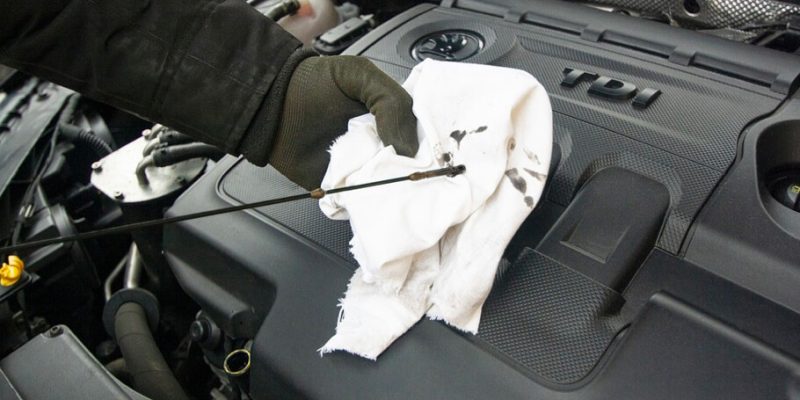
Not every misting is a fail, but significant leaks can be. Oil leaks that drip onto the ground, leaking brake fluid, and power steering fluid leaks are all taken seriously. Apart from the MOT, leaks are a reliability killer – they tend to get worse quickly.
If you’re topping up oil or coolant more often than you used to, that’s a sign. Don’t just keep topping up and hope for the best.
11) Corrosion and structural issues
Rust is one of those problems people avoid thinking about until it’s too late. Surface rust isn’t automatically a fail, but corrosion within prescribed areas (close to suspension, steering or seatbelt mounting points) can fail if it’s severe.
If you’ve got an older vehicle, it’s worth having the underside checked before the MOT. Welding and proper repairs are about safety, not cosmetics.
12) Number plates, mirrors and “small” items that still fail
Some MOT failures feel petty until you remember they’re safety and identification rules. A missing or illegible number plate, a cracked mirror, or a sharp edge on bodywork can fail.
The same goes for doors that don’t open from the outside, bonnets that don’t latch securely, and fuel caps that don’t seal on some vehicles where it affects emissions systems.
A quick pre-MOT check you can do in 10 minutes
If you only have time for one run-round, do it the day before and do it in daylight. Check all exterior lights, including brake lights and hazards. Look at tyre tread across the full width, not just the outer edge. Test wipers and washers. Clear the windscreen. Make sure the horn works. Then glance at the dashboard – if any warning lights stay on, don’t assume it will “clear itself”.
This won’t catch everything, but it knocks out the easy fails that waste time and lead to re-tests.
When it’s worth booking diagnostics rather than guessing
If you’ve got warning lights, uneven braking, persistent knocks, or repeated tyre wear, it’s usually cheaper to diagnose first and fix the actual fault. Replacing random parts can feel like progress, but it often isn’t.
If you’re local and need an MOT prep check or post-fail repairs with clear pricing and straight answers, AutoFix4u can normally turn things around quickly where parts availability allows. Phone-first booking keeps it simple and avoids you waiting around.
A failed MOT isn’t the end of the world. It’s just the car telling you where the weak points are. Deal with them properly, and you usually get a safer, smoother drive straight away – which is the whole point of the test in the first place.