Why the DPF Light Keeps Returning After a Drive
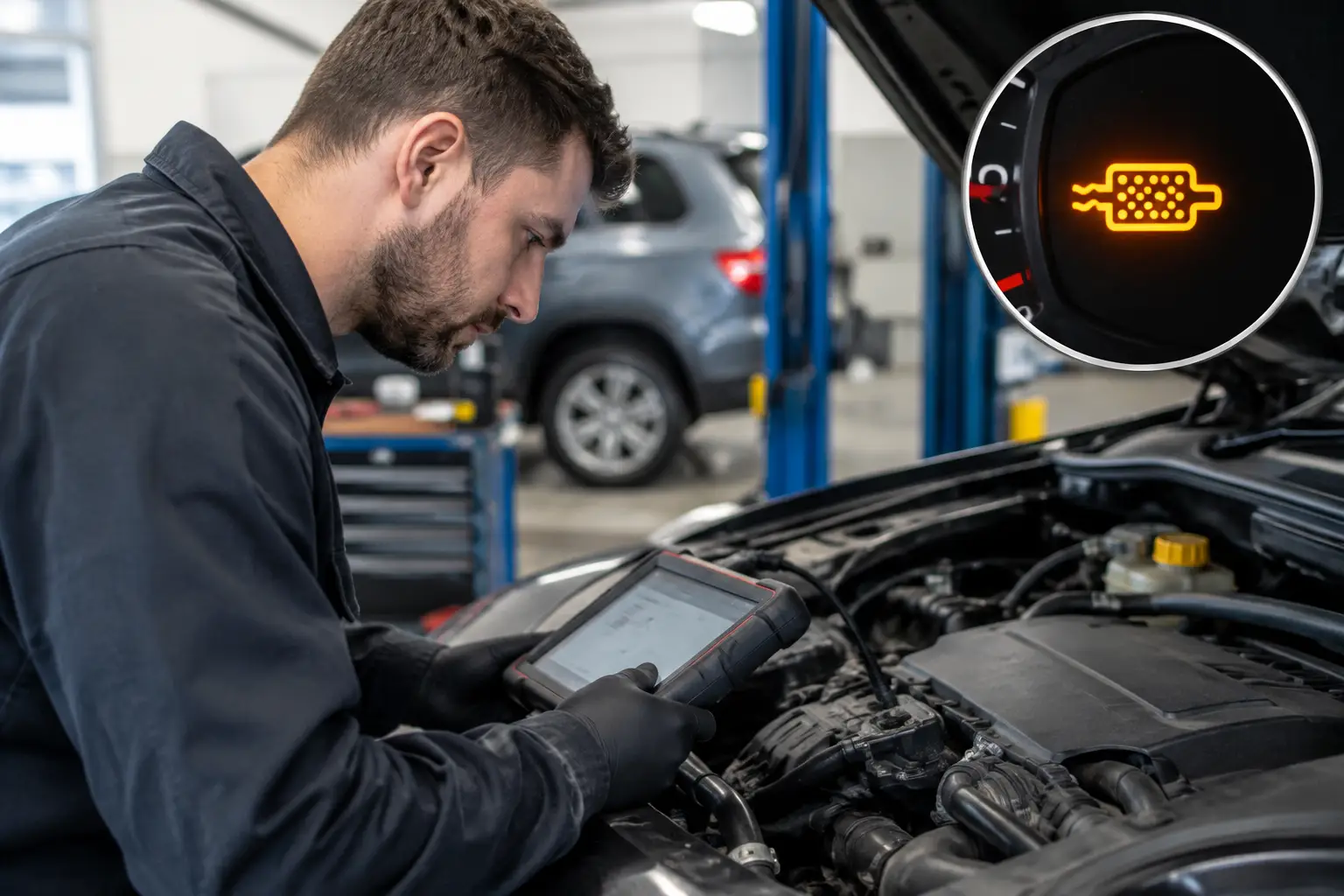
You take your diesel car for a longer drive. The DPF warning light disappears, and everything seems normal. However, a few days later, the light comes back.
When a DPF light keeps returning, the car may have an unresolved problem. The filter might contain too much soot. Alternatively, a sensor fault or engine problem could prevent proper regeneration.
A returning warning does not automatically mean you need a new DPF. First, a mechanic needs to identify why the warning keeps appearing.
At AutoFix4u Garage Lowestoft, we investigate DPF faults, warning lights and engine performance problems. Our approach focuses on finding the cause before recommending repairs.
What Does a Returning DPF Light Mean?
A diesel particulate filter, or DPF, collects soot from exhaust gases. This helps reduce harmful particle emissions.
As soot builds up, the vehicle starts a cleaning process called regeneration. During this process, the exhaust system reaches a higher temperature and burns away accumulated soot.
However, regeneration needs suitable conditions.
If the process stops too early, soot can continue building up. Eventually, the warning light may return.
Common Symptoms of a DPF Problem
A returning DPF warning may appear alongside other symptoms.
For example, you might notice:
- Reduced engine power
- Poor acceleration
- Increased fuel consumption
- Frequent cooling fan operation
- Higher engine idle speed
- A hot smell after driving
- Engine management warning lights
- The vehicle entering limp mode
Some of these signs can occur during normal regeneration. Therefore, they do not always indicate a fault on their own.
However, repeated warnings or worsening performance need professional investigation.
Why the DPF Light Keeps Returning
Several problems can prevent a diesel vehicle from managing soot correctly.
The following causes are among the most common.
1. Frequent Short Journeys
Short journeys can interrupt DPF regeneration.
For example, a driver may only travel a few miles to work or the shops. The engine might not reach suitable operating conditions before the journey ends.
As a result, the vehicle may struggle to complete regeneration.
Over time, soot levels can increase.
However, short journeys do not explain every DPF warning. A healthy system should manage normal driving conditions within its design limits.
Therefore, a mechanic should consider both driving habits and possible mechanical faults.
2. Incomplete DPF Regeneration
Your car needs specific conditions to complete regeneration.
Depending on the vehicle, these may include suitable engine temperature, fuel level and exhaust conditions.
If the engine detects another fault, it may interrupt or prevent regeneration.
For example, a coolant temperature problem can stop the engine from reaching normal operating temperature.
Similarly, an emissions-related fault may prevent the process from starting.
Consequently, the DPF continues collecting soot.
A longer drive may temporarily clear the warning. However, the light can return if the original problem remains.
Learn more about the process in our Blocked DPF Regeneration Guide.
3. Faulty DPF Pressure Sensor
A differential pressure sensor helps the vehicle monitor exhaust pressure across the filter.
The engine control unit uses this information to assess DPF restriction.
However, sensors can develop electrical or mechanical faults.
For example, a sensor may provide an incorrect reading.
The vehicle might then report excessive DPF restriction even when the filter is not heavily blocked.
Alternatively, incorrect readings can interfere with normal regeneration.
A mechanic should test the sensor and inspect its connections before recommending replacement.
4. Blocked or Damaged Pressure Pipes
Small pipes connect the DPF pressure sensor to the exhaust system.
Over time, soot and moisture can affect these pipes.
Heat and vibration may also damage them.
If a pipe blocks, splits or leaks, the sensor may receive inaccurate pressure information.
Consequently, the engine control system may calculate the wrong DPF loading.
Replacing the sensor alone will not repair a damaged pressure pipe.
Therefore, the technician should inspect both components.
5. Faulty Exhaust Temperature Sensors
Regeneration requires controlled exhaust temperatures.
Temperature sensors help the engine monitor this process.
If a sensor reports incorrect values, the vehicle may interrupt regeneration.
For example, the control unit may prevent the process to protect engine components.
As a result, soot continues collecting inside the filter.
A diagnostic check can assess temperature readings and identify possible sensor faults.
6. Engine Problems Producing Excessive Soot
Sometimes the DPF itself is not the original problem.
Instead, the engine produces more soot than normal.
Possible causes include:
- Faulty fuel injectors
- Air intake restrictions
- Turbo boost leaks
- EGR valve problems
- Incorrect airflow readings
- Poor fuel combustion
For example, a split turbo hose may reduce the available airflow.
The engine can then produce excess soot under certain conditions.
Consequently, the DPF fills faster than normal.
Cleaning the filter without repairing the engine fault may only provide temporary improvement.
Therefore, accurate diagnostics matter.
7. Ash Build-Up in the DPF
Regeneration burns soot, but it does not remove accumulated ash.
Ash gradually collects inside the filter over its service life.
As the vehicle covers more miles, ash may reduce the filter’s available capacity.
Eventually, normal regeneration may no longer maintain acceptable restriction levels.
A motorway drive cannot burn away ash.
Depending on the filter’s condition, specialist cleaning or replacement may become necessary.
However, the technician should confirm the problem before recommending either option.
Can a Longer Drive Clear the DPF Warning Light?
Sometimes a longer drive helps.
If the DPF warning has recently appeared, your vehicle may need suitable conditions to complete regeneration.
For example, a continuous journey may allow the exhaust to reach the required temperature.
However, always follow the guidance in your vehicle handbook.
Different manufacturers use different regeneration strategies.
When a Longer Drive May Help
A suitable drive may help when:
- The warning has only recently appeared
- The vehicle runs normally
- No serious engine faults are present
- The manufacturer recommends driving to support regeneration
Even then, a successful regeneration does not guarantee that the original cause has disappeared.
If the light returns, arrange diagnostics.
When You Should Avoid Trying to Force Regeneration
Do not attempt repeated high-speed journeys to clear a warning.
This approach may be unsuitable when the vehicle has other faults.
For example, seek professional advice if you notice severe power loss, overheating or excessive smoke.
The same applies when several warning lights appear together.
If the car struggles to maintain safe road speed, stop somewhere safe and arrange assistance.
A forced regeneration is also unsuitable for some heavily loaded or damaged filters.
Therefore, a technician must assess the system before carrying out that procedure.
Can Repeated Regeneration Affect Engine Oil?
On some diesel vehicles, repeated regeneration attempts can contribute to fuel dilution of the engine oil.
This happens because certain regeneration strategies use additional fuel.
If the process repeatedly stops, some fuel may reach the oil.
Consequently, the engine oil level can rise.
Diluted oil may provide less effective lubrication.
What Should You Check?
Check the oil level according to the manufacturer’s instructions.
If the level exceeds the maximum mark, avoid driving until a professional has assessed the cause.
Do not simply drain away the excess and assume the problem has disappeared.
The mechanic may need to address the regeneration fault and replace contaminated oil.
How a Garage Diagnoses a Returning DPF Light
A proper DPF investigation involves more than clearing a warning light.
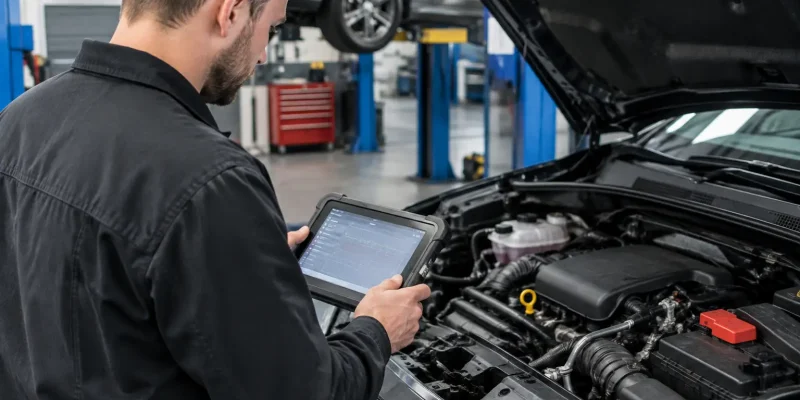
First, a technician reads the stored fault codes.
Next, they examine live data and inspect the relevant components.
The aim is to establish why the vehicle cannot manage its DPF correctly.
Checking Soot and Ash Loading
Diagnostic equipment may provide calculated soot and ash loading information.
These values help assess the filter’s condition.
However, the figures depend on the vehicle’s sensors and control strategy.
Therefore, the technician should compare them with other test results.
Checking DPF Pressure Readings
The mechanic can examine pressure readings under suitable operating conditions.
Unusual values may suggest restriction, sensor faults or pressure pipe problems.
Further testing helps distinguish these causes.
Inspecting Related Engine Systems
A DPF problem may originate elsewhere in the engine.
Therefore, the technician may check:
- Engine temperature readings
- Airflow and boost pressure
- EGR operation
- Exhaust temperature sensors
- Pressure sensor pipes
- Electrical connections
- Stored engine fault codes
These checks help identify faults that can interrupt regeneration.
Reviewing Regeneration History
On supported vehicles, diagnostic equipment can provide regeneration information.
For example, it may show when regeneration last occurred or whether the system recorded failed attempts.
This information can help explain why the warning returns after driving.
However, not every vehicle provides the same data.
What Repairs Might Be Necessary?
The correct repair depends on the cause.
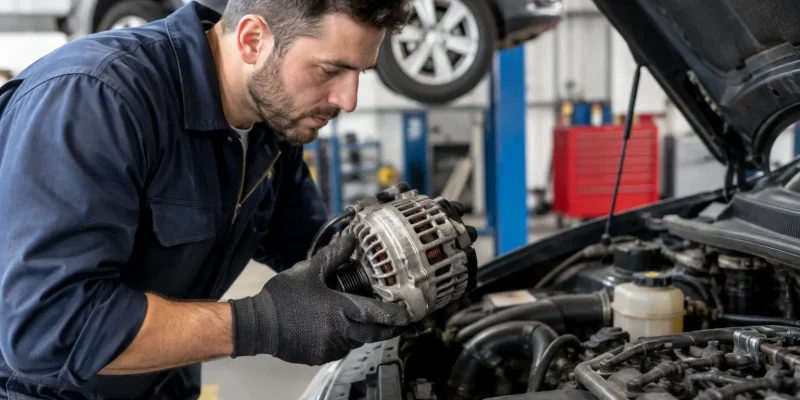
Some vehicles only need a faulty sensor or damaged pipe repaired.
Others may require work on the engine, EGR system or turbo boost components.
If the DPF contains excessive soot, the technician may assess controlled regeneration or cleaning.
However, those procedures will not repair a faulty sensor or an engine problem.
DPF Regeneration
A controlled regeneration may be suitable when the system is otherwise healthy.
The mechanic must check the relevant operating conditions first.
For example, excessive soot loading may make forced regeneration unsafe.
Learn more about our DPF Regeneration Service in Lowestoft.
Professional DPF Cleaning
Some filters need specialist cleaning when normal regeneration cannot restore acceptable performance.
However, cleaning results depend on the type of contamination and filter condition.
A cracked or physically damaged filter may require replacement.
Repairing the Original Fault
This is often the most important step.
For example, a damaged boost hose may increase soot production.
Replacing or cleaning the DPF without repairing that hose can allow the warning to return.
Therefore, proper diagnosis helps prevent repeat repairs.
How to Reduce the Risk of DPF Problems
Regular servicing helps maintain engine performance.
However, servicing alone cannot prevent every DPF fault.
Follow the Correct Service Schedule
Use the engine oil specification recommended by the manufacturer.
Many DPF-equipped engines require specific low-ash oil formulations.
Also, replace filters at the correct intervals.
These steps help the engine operate as intended.
Allow Regeneration to Complete When Appropriate
If your vehicle indicates an active regeneration, follow the manufacturer’s instructions.
Where practical and safe, suitable driving conditions may help the system finish the process.
However, do not ignore other warning lights or attempt to force regeneration through aggressive driving.
Investigate Warning Lights Early
A returning warning often indicates an unresolved problem.
Therefore, arrange an inspection before the vehicle develops serious power loss.
Early checks may help prevent additional damage and unnecessary repair costs.
Frequently Asked Questions About Returning DPF Lights
Why does my DPF light return after a motorway drive?
The vehicle may have incomplete regeneration, excessive soot production or a sensor problem.
A longer drive can sometimes clear the warning temporarily. However, it cannot repair an underlying mechanical or electrical fault.
Does a returning DPF light mean I need a new filter?
Not necessarily.
The cause could involve driving conditions, sensors, pressure pipes or another engine component.
A diagnostic inspection should identify the likely problem before replacement.
Can a faulty sensor trigger the DPF warning?
Yes.
A faulty differential pressure or exhaust temperature sensor can affect DPF monitoring.
However, damaged wiring and blocked pressure pipes can create similar symptoms.
Is it safe to drive with the DPF light on?
It depends on the warning and the vehicle’s condition.
If the car runs normally, consult the handbook and arrange a prompt inspection.
If you notice severe power loss, overheating, heavy smoke or additional serious warnings, stop safely and seek assistance.
Can a DPF cleaning service stop the warning from returning?
Cleaning may help when the filter itself has excessive removable deposits.
However, the warning can return if another fault continues producing soot or preventing regeneration.
Therefore, diagnosing the cause is essential.
Book DPF Diagnostics in Lowestoft
When a DPF light keeps returning, clearing the warning is rarely enough.
The vehicle may need attention to its regeneration system, sensors, pressure pipes or engine components.
At AutoFix4u Garage Lowestoft, we help drivers investigate recurring DPF warnings, limp mode and diesel performance problems.
We focus on finding the cause before recommending cleaning, regeneration or replacement.
Our garage serves Lowestoft, Oulton Broad, Carlton Colville, Pakefield, Kessingland and nearby areas.
Same-day diagnostic appointments may be available, depending on workshop capacity.
AutoFix4u Garage Lowestoft
Unit 4, 10 Battery Green Road
Lowestoft, NR32 1DE
Call: 07778 979802
WhatsApp: Message AutoFix4u
Contact: Request a Quote
If your DPF warning light keeps returning, contact AutoFix4u to arrange a diagnostic check and find the underlying cause.