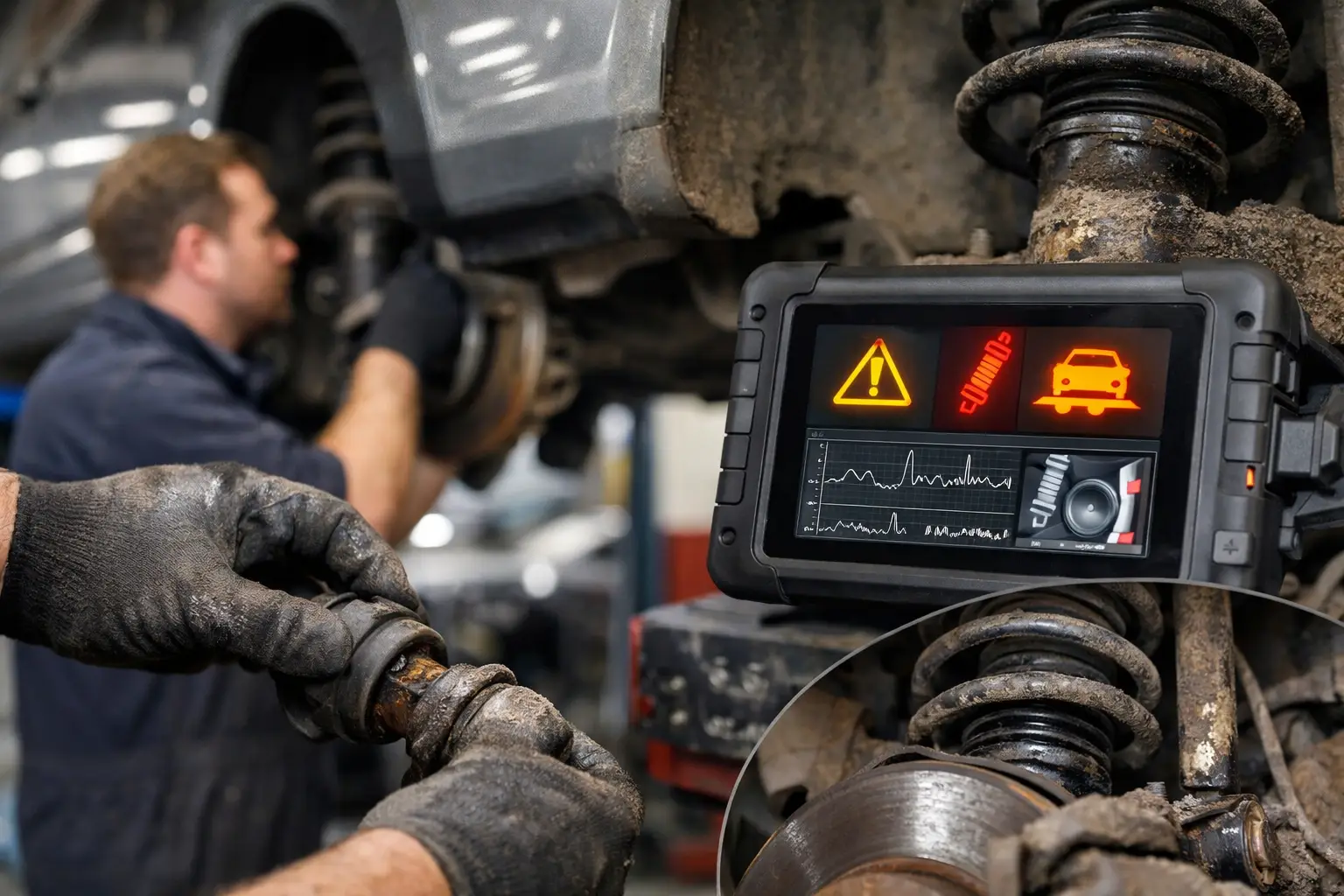
A knock over speed bumps is easy to ignore for a week or two. Then the steering starts to feel off, the tyres wear unevenly, or the car seems to pull more than it used to. That is usually when drivers start looking for suspension repair Lowestoft, and in most cases it is better not to leave it too long.
Suspension faults rarely fix themselves. They usually get worse with daily driving, especially on local roads with potholes, rough surfaces and kerb knocks. The good news is that many suspension problems are straightforward to diagnose when checked properly. The key is finding the actual cause, not just replacing parts until the noise goes away.
What suspension problems feel like on the road
Most people do not come in saying, “My suspension has failed.” They come in with a symptom. A clunking noise from the front, a car that feels unsettled in corners, a steering wheel that is no longer straight, or a failed MOT with worn suspension components listed on the sheet.
We often see this issue when a car has been driven for a while with one worn part putting extra strain on another. A drop link might start the noise, but worn bushes, tired shock absorbers or a damaged spring can all create similar complaints. That is why proper inspection matters.
Sometimes the fault is obvious. A snapped coil spring or leaking shock absorber is usually clear once the vehicle is on the ramp. Other times it takes a bit more checking, especially when the problem only shows up under load or at certain speeds.
Common signs you may need suspension repair in Lowestoft
If your car does one or more of the following, it is worth getting it looked at sooner rather than later.
Knocking or clunking over bumps
This is one of the most common signs. It usually happens because a component has play in it. That could be a worn anti-roll bar link, suspension bush, top mount or ball joint. The sound may seem minor at first, but it often gets louder as the wear gets worse.
Uneven tyre wear
If one edge of the tyre is wearing faster than the rest, or both front tyres are wearing oddly, suspension wear could be part of the reason. Poor alignment can also play a part, but alignment issues are often caused by worn suspension parts rather than happening on their own.
The car pulls or feels unstable
If the car drifts to one side, feels loose in bends, or does not feel planted on the road, the suspension may not be holding the vehicle properly. This can also affect braking stability, especially in wet conditions.
A bouncy or harsh ride
When shock absorbers start to fail, the car may bounce more after bumps or feel unsettled on uneven roads. In other cases, worn bushes or springs can make the ride feel harsh and noisy.
MOT failure on suspension components
A lot of suspension work starts with an MOT advisory or failure. You may be told there is excessive play, a broken spring, a leaking shock absorber or deteriorated bushes. If the wording is unclear, a garage should be able to explain it in plain English and show you what has actually worn out.
What causes suspension faults?
Wear and tear is the main cause. Suspension parts take a constant beating from potholes, speed bumps, braking forces and everyday mileage. Cars used daily for commuting, school runs and local trips around Lowestoft, Oulton Broad, Carlton Colville and nearby areas often show the usual age-related wear.
Road impact is another big one. Hitting a pothole hard can damage springs, knock alignment out, or speed up wear in joints and bushes. Sometimes the damage is immediate. Sometimes it shows up a few weeks later as a noise or vibration that was not there before.
There is also the simple fact that one worn part can lead to another. A weak shock absorber can put more load on springs and tyres. A worn bush can affect alignment and tyre wear. That is why patching the symptom without checking the rest of the setup can cost more in the long run.
Why diagnosis matters with suspension repair Lowestoft
Suspension faults can overlap with steering and tyre issues. A knocking sound might be suspension, but it could also be linked to steering joints. Uneven tyre wear could come from alignment, but worn lower arm bushes may be the reason the alignment will not stay correct.
A proper check should start with the complaint. What does the car do, when does it do it, and has anything changed recently? From there, the vehicle needs to be inspected properly on the ramp and, where needed, road tested.
This is where experience helps. Replacing the first part that looks worn is not always the best fix. If a spring has snapped, it makes sense to check the condition of the opposite side, the top mounts and the shocks. If bushes are badly worn, the alignment may also need attention after repair. A good garage should explain the full picture, not just one line on an invoice.
The suspension parts that commonly fail
The parts vary by make and model, but some faults come up regularly.
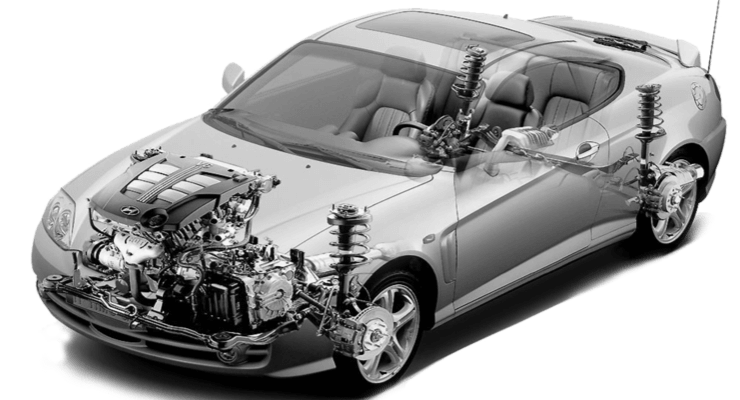
Coil springs are a common one, especially on older vehicles. They can crack or snap, sometimes with no obvious warning until the ride height changes or a noise appears. Shock absorbers also wear over time. When they start leaking or lose damping ability, the car can feel bouncy, unstable or noisy.
Drop links are another frequent culprit for knocking sounds. They are relatively small parts, but when they wear they can make a surprising amount of noise. Suspension bushes, top mounts and lower arms also wear gradually and can affect handling, braking feel and tyre wear.
It depends on the vehicle and the mileage. Some cars are known for spring issues, others wear bushes sooner. What matters is checking the whole area rather than guessing.
Can you keep driving with a suspension problem?
Sometimes you can, but that does not mean you should leave it.
A small knock from a worn drop link is different from a broken spring or a component with major play in it. Some faults are more of a nuisance at first. Others are a genuine safety issue and can affect handling, tyre wear and braking. If the car feels unstable, sits unevenly, or has had an MOT fail on suspension, it is worth getting it checked as soon as possible.
The risk with waiting is that what starts as one worn part can turn into tyres wearing out early, steering issues, or more expensive repair work later. In most cases, catching it early gives you more options and keeps the repair simpler.
What to expect from a proper repair
A decent suspension repair should not feel vague. You should know what has failed, why it needs replacing, and whether anything related also needs attention.
In most cases, the process is simple. The fault is identified, the worn or damaged parts are explained, and you are given a clear repair plan with transparent pricing. If extra parts are needed once the car is stripped, that should be discussed before work goes ahead.
Quality parts matter here. Suspension components take a lot of stress, so fitting poor-quality parts to save a little upfront often does not pay off. Long-term reliability comes from fitting the right parts and making sure the vehicle is checked properly afterwards.
If alignment is needed after the repair, that should be mentioned too. There is no point replacing parts if the car then drives away pulling to one side or wearing its tyres unevenly.
Local help when the car does not feel right
If your car is knocking, bouncing, pulling or has failed its MOT on suspension, the next step is not to guess. It is to get it inspected properly and get a clear answer.
At AutoFix4u, the focus is on finding the cause, explaining it clearly, and getting the repair sorted without dragging it out. That is what most drivers want – a straight answer, no surprise extras, and a car that feels safe and right to drive again. If you are in Lowestoft or nearby areas such as Beccles, Kessingland or Hopton-on-Sea, call now, book in, and get it checked before a small suspension issue turns into a bigger one.
A car should feel steady, predictable and safe every time you drive it. If yours does not, trust that feeling and have it looked at.