ECU Fault Code Test Explained
That dashboard light rarely comes on at a convenient time. You are on the school run, heading to work, or trying to get through an MOT, and suddenly the car is telling you something is wrong. The next question is usually the same – do you need a quick code read, or a proper ECU diagnostic test for fault codes?
The short answer is this: fault codes are a starting point, not the full repair. A modern car stores information when a system sees something outside its normal range, but that does not always mean the part named by the code has failed. Sometimes it has. Sometimes the real problem sits elsewhere and the code is only pointing to the area.
If you want the warning light sorted properly, it helps to know what the test does, what it does not do, and why a good garage will always look beyond the first code on the screen.
What an ECU diagnostic test for fault codes actually does
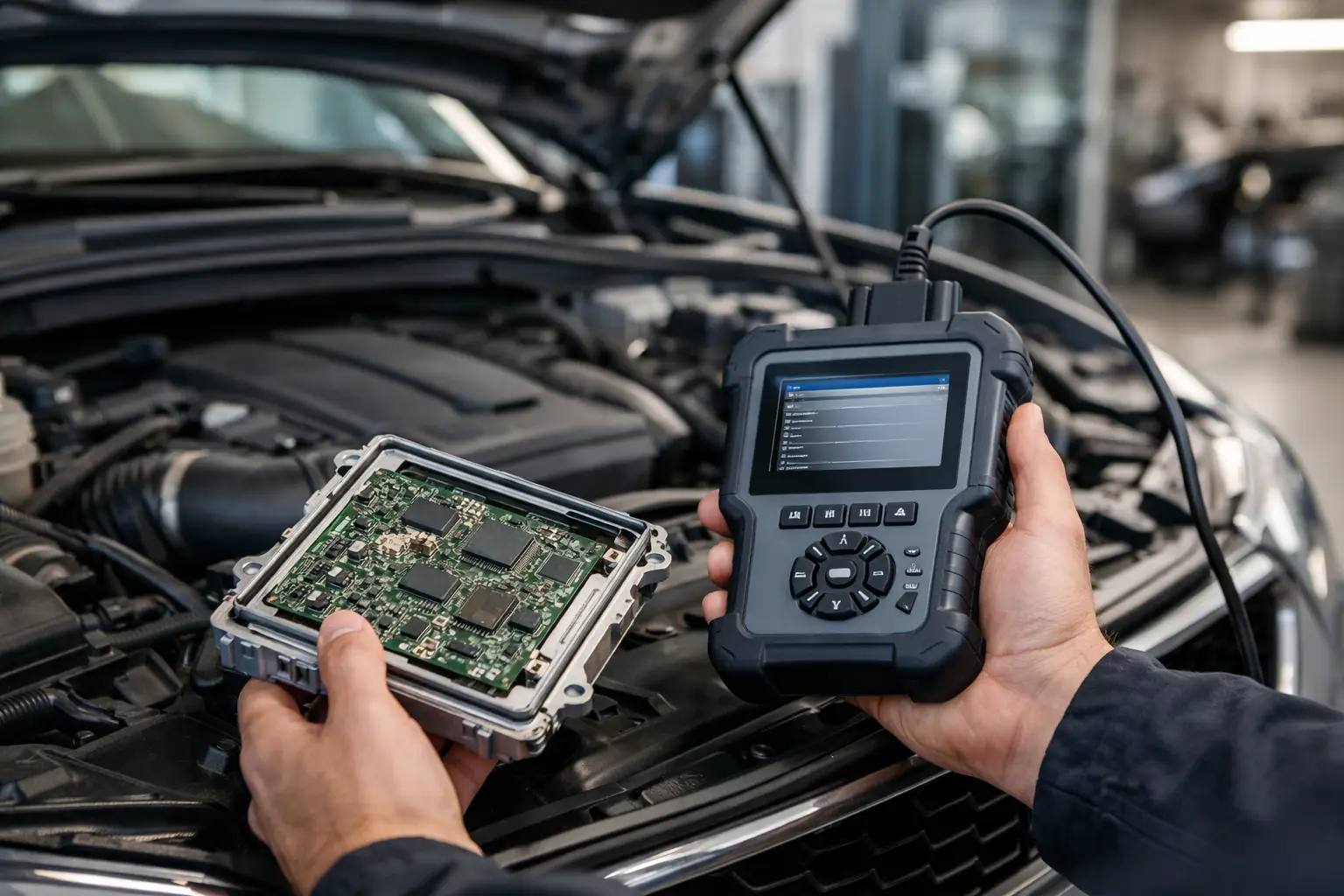
Your vehicle’s ECU is the electronic control unit. In plain English, it is the computer that monitors and manages key systems in the car. Depending on the vehicle, there may be more than one control unit handling the engine, gearbox, ABS, airbags, emissions and other electrical functions.
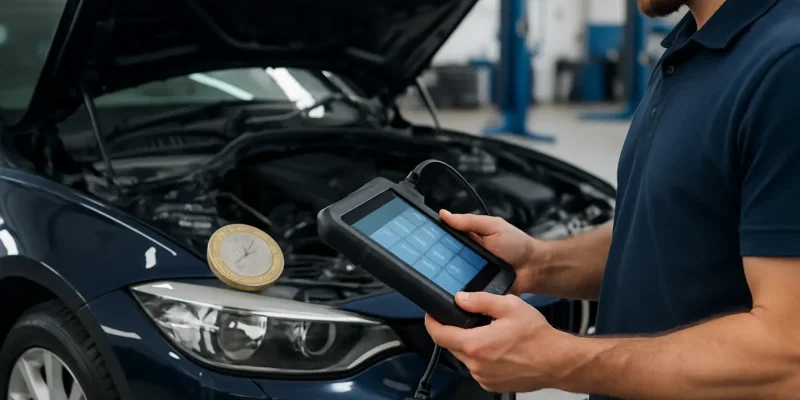
An ECU diagnostic test for fault codes connects specialist equipment to the vehicle and reads stored trouble codes from those systems. It can also show live data, freeze-frame data and, in many cases, system status checks. That gives a technician a clearer picture of what the car was doing when the fault was logged.
This matters because the warning light itself is vague. An engine management light can be caused by anything from a sensor issue to an ignition fault, fuelling problem, wiring issue or emissions fault. The code narrows the search. It does not finish it.
Why fault codes are useful but not the whole answer
A lot of drivers have seen this go wrong. A code reader shows a fault linked to a sensor, the sensor gets replaced, and the warning light comes back a week later. That happens because the code often reports the symptom the ECU has noticed, not the exact failed component.
For example, a fault code may point to a lean running condition. That could be caused by an air leak, low fuel pressure, a contaminated sensor, wiring resistance, or a separate issue affecting combustion. The ECU can only log what it can see through its inputs. It cannot always tell you the root cause on its own.
The same applies to ABS faults, DPF warnings and gearbox issues. Codes are valuable, but they need to be backed up by proper testing, experience and a bit of common sense. That is where a real diagnostic process earns its keep.
Common warning signs that point to a fault code check
Sometimes the car makes the decision for you because a warning light appears on the dash. At other times, the signs show up before the light does. If the engine is misfiring, the car feels flat, fuel economy has dropped, it struggles to start, or it goes into limp mode, there is a good chance stored fault codes will help narrow things down.
The same goes for intermittent faults. If a problem comes and goes, live testing and stored data can be especially useful because they may show what happened even when the car seems to be behaving normally by the time it reaches the workshop.
Brake system lights, traction control warnings, airbag lights and battery charging faults can all benefit from diagnostic testing too. Modern vehicles tie a lot of systems together, so one issue can trigger faults in more than one module.
ECU diagnostic test for fault codes vs a basic code read
This is where many drivers get caught out. A basic code read will often just pull the stored fault code and perhaps clear it. That can be useful if you need a quick first look, but it is not the same as full diagnostics.
A proper ECU diagnostic test for fault codes goes further. The technician checks the stored codes, looks at live readings, reviews related systems, and tests whether the code matches the actual behaviour of the vehicle. If needed, they inspect wiring, connectors, sensors, pressure readings or mechanical components.
That takes more time, but it also cuts down on guesswork. If you clear a code without understanding why it appeared, you may only be hiding the problem for a short while. Worse still, you can miss a developing fault that could lead to a breakdown or more expensive repair later on.
What happens during a proper diagnostic appointment
A good diagnostic visit should feel straightforward. You explain the symptoms, when they started, whether the warning light is steady or flashing, and whether the fault happens cold, hot, under load or at idle. Those details matter because they help narrow the fault pattern before the tools even come out.
From there, the vehicle is scanned and the codes are read. The technician then checks the supporting data rather than jumping straight to parts replacement. If the code suggests a misfire, for example, they may compare cylinder data, ignition performance and fuel trim readings. If the issue looks electrical, they may test supply voltage, earth points and continuity in the circuit.
Once the likely cause is confirmed, you should get a clear explanation of the fault, the recommended repair and what needs doing next. That is the difference between diagnostics and guesswork – you are paying for evidence, not assumptions.
Fault codes that should not be ignored
Not every warning light means stop immediately, but some need attention quickly. A flashing engine management light usually suggests a fault serious enough to risk damage, often linked to a misfire. Oil pressure warnings, overheating alerts and serious charging faults also need prompt investigation.
ABS, airbag and brake warning lights matter because they can affect safety systems. DPF and emissions faults can start as a drivability issue and turn into a more expensive job if they are left too long. If the car is in limp mode, that is the vehicle protecting itself. It is not something to leave for weeks.
If in doubt, get it checked. It is usually quicker and cheaper to diagnose a fault early than to deal with the knock-on damage from carrying on regardless.
Can you drive with a fault code present?
Sometimes yes, sometimes no. It depends on the code, the symptoms and whether the car is driving normally. A minor sensor fault may allow the vehicle to keep running without immediate danger. A severe misfire, overheating problem or brake-related warning is a different story.
The problem is that most drivers do not know which category their fault falls into, and the dashboard light will not explain it in plain English. That is why a proper check matters. It helps you work out whether the issue is urgent, whether the car is safe to use, and what the next step should be.
Why local, same-day diagnostics matter
When you rely on one car, downtime is the real cost. Waiting days just to find out why the warning light is on is frustrating, especially if the fault is affecting work, school runs or family plans. Fast diagnostics give you a route forward.
For drivers around Lowestoft, same-day availability can make the difference between a manageable repair and a week of disruption. A local garage that explains faults clearly, gives a proper quote and focuses on the actual cause is usually the better option than just having codes cleared and hoping for the best.
That is how we approach diagnostics at AutoFix4u – clear answers, no surprise extras, and a proper plan to fix the fault rather than chase symptoms.
What to do when your warning light comes on
Do not panic, but do not ignore it either. Make a note of what the car is doing. Is it rough at idle? Down on power? Hard to start? Is the light flashing or staying on steadily? Those details help a technician far more than most drivers realise.
Avoid replacing parts based on guesswork or internet forums. Two cars can show a similar code for completely different reasons. Book a proper diagnostic check, get the evidence first, and then decide on the repair with clear information in front of you.
If your car has developed a warning light, gone into limp mode, or just does not feel right, act early. Fault codes are there to point you in the right direction. The real value comes from finding out why the code appeared in the first place. That is how you fix the car once, fix it properly, and get back on the road with confidence.