Brake Pads and Discs Cost: What You’ll Pay
You usually only think about brakes when something feels off – the pedal needs more effort, the car takes longer to slow down, or you get that horrible grinding noise at low speed. The frustrating part is that the fix can be simple, but the price can vary a lot. That’s why most people search for brake pads and discs replacement cost when they need an answer quickly and don’t want surprises.
This article breaks down what actually drives the cost, when you can get away with pads only, when discs are non-negotiable, and how to avoid paying twice.
Brake pads and discs replacement cost: why it varies so much
Brake repairs aren’t priced like a one-size-fits-all service because braking systems aren’t identical across cars. Even when two vehicles look similar, the disc size, pad compound, caliper design, and even the type of electronic handbrake can change labour time and parts cost.
The biggest reason prices move around is simple: what parts your car needs and what condition the rest of the braking system is in. Pads and discs are wear items, but they don’t wear in isolation. If a caliper is sticking, a hose is collapsing internally, or the slider pins are seized, you can burn through new pads quickly and end up paying again.
You’re not just paying for metal and friction material. You’re paying for safe, square fitting, correct torque settings, cleaning and lubricating where required, checking run-out, and making sure the pedal feel and braking balance are right afterwards.
What you’re actually paying for
Most drivers assume the bill is basically “pads + discs + labour”. In reality, a proper brake job includes several steps that protect you from noise, vibration, uneven wear and early failure.
Parts cost depends on quality level, vehicle type, and whether it’s front or rear. Front brakes usually do more work, so front pads and discs typically wear faster and can cost more.
Labour cost is influenced by how accessible the brakes are, whether bolts are seized, and whether the vehicle has features that add time. Rear brakes with integrated handbrakes, electronic parking brakes, or certain hub designs can take longer than people expect.
Then there are the sensible “while we’re there” items. Sometimes they’re optional, sometimes they’re necessary. Things like fitting kits, anti-rattle clips, brake cleaner, and lubricants shouldn’t be treated as padding – they’re part of doing the job properly and quietly.
The biggest factors that change the price
A realistic quote needs a few basics: your reg, whether the issue is front or rear (or both), and what symptoms you’re getting. From there, these are the main price drivers.
1) Vehicle size and braking setup
A small hatchback usually has cheaper parts than a heavier SUV or performance model with larger discs. Larger discs and pads cost more and can take longer to fit.
2) Pads only, discs only, or both
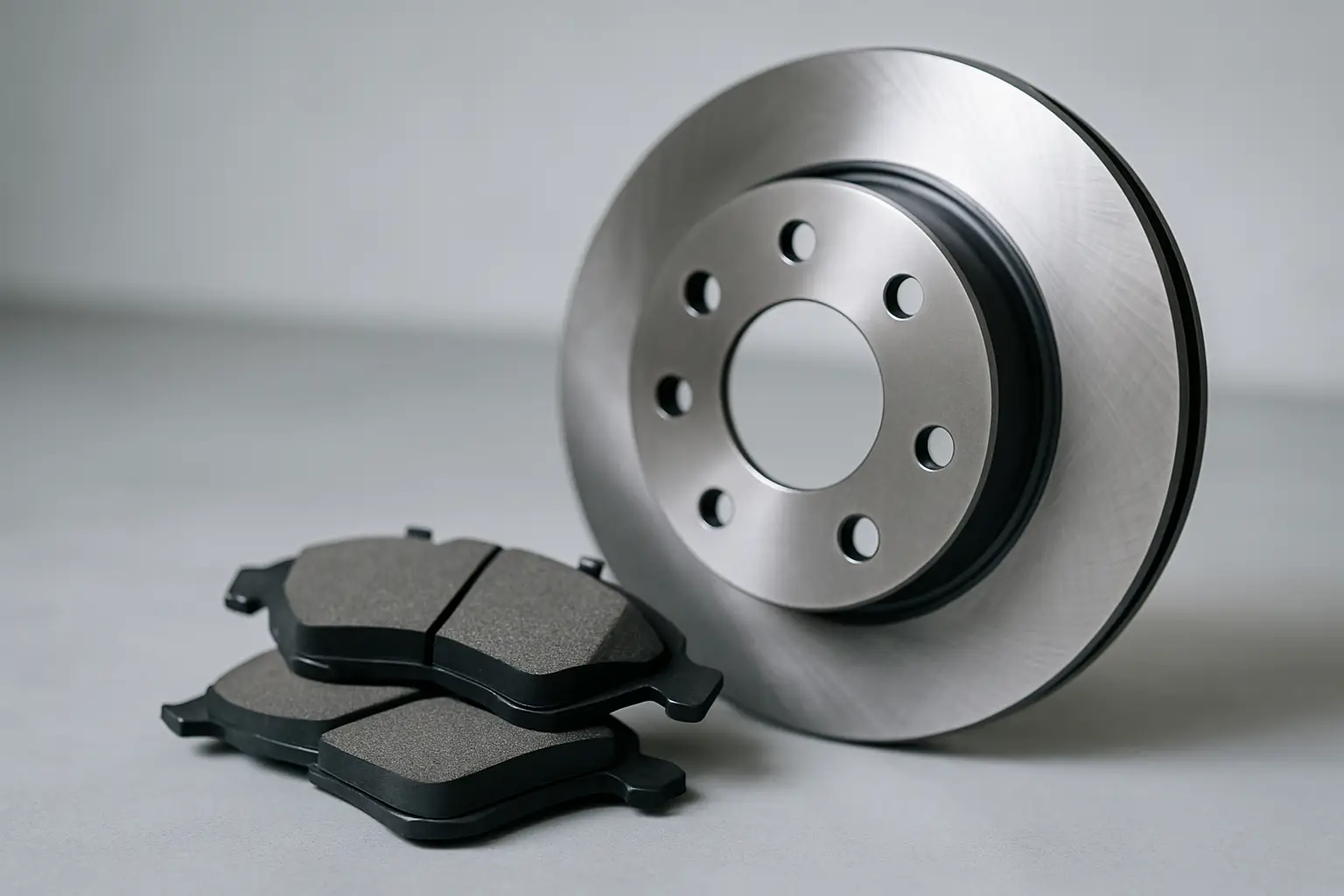
If discs are within spec and in good condition, pads only can be fine. But if the discs are worn, corroded, cracked, heavily lipped, or heat-spotted, fitting pads alone is a false economy. New pads need a good surface to bed into. If the surface is rough or uneven, you can get vibration, noise, or reduced braking performance.
3) Front vs rear (and electronic parking brakes)
Rear brakes can be cheaper on parts, but labour can jump on some vehicles. Electronic parking brakes often require correct retraction procedure and careful handling. The job is still straightforward for a garage with the right tools and process, but it is not the same as winding back a manual caliper.
4) Condition of the hardware
If the caliper slider pins are seized or the carrier is heavily corroded, the brakes can’t move freely. That leads to uneven pad wear and overheating. Sometimes cleaning and lubrication is enough. Sometimes parts need replacing. Either way, it changes the final cost because it changes the time and parts required.
5) Quality of parts
Not all brake parts are equal. Cheaper pads can be noisy, dusty, or wear quickly. Better pads can give a more consistent feel and longer life. Discs can also vary – some are coated to resist corrosion, which helps if your car does lots of short trips where brakes don’t get properly hot.
A good garage will talk you through the options and why they’re recommending a certain part, instead of just fitting the cheapest box on the shelf.
When can you replace brake pads without discs?
Pads-only replacement can be the right call if the discs are still thick enough, the surface is smooth, and braking is even with no vibration. You also want to see even wear across the pad and both sides of the axle. If the inside pad is much thinner than the outside, it’s often a sign something is sticking.
That said, “it stops fine” isn’t the same as “it’s in good condition”. A disc can look acceptable through the wheel spokes but be heavily lipped at the edge or pitted on the inner face. That’s why a proper inspection matters.
If you’re trying to keep the cost down, ask the garage to measure disc thickness and check the faces properly. A pads-only job is only cheaper if it doesn’t create another problem.
When do discs need replacing as well?
Discs should be replaced when they’re below minimum thickness, badly corroded, cracked, warped, or have deep grooves. Sometimes they’re technically above minimum thickness but still not worth keeping because the surface is too damaged for new pads to bed in properly.
Heat-related issues are another big one. If you’ve had a sticking caliper or a heavy braking event, the disc can develop hot spots. That can lead to steering wheel shake under braking or a pulsing pedal. In those cases, replacing pads and discs together is usually the clean fix.
The hidden cost: doing it twice
The most expensive brake job is the one you repeat. The classic example is fitting new pads onto old discs that are already close to the limit or heavily corroded. The pads can glaze, the braking can feel poor, and you end up coming back for discs anyway.
The other repeat-visit cause is ignoring the reason the brakes wore out unevenly. If a caliper is sticking, you can fit fresh parts and still cook them within months. A proper brake service includes checking free movement, wear patterns, and the condition of hoses and hardware.
Symptoms that usually mean “book it in now”
Squealing isn’t always an emergency, but it’s never something to ignore. Many pads have wear indicators that squeal when the friction material is getting low. Grinding is different – that often means you’re on the metal backing plate, and that can destroy the disc quickly.
If the car pulls to one side under braking, the pedal feels spongy, or you get vibration through the wheel, it needs checking sooner rather than later. Brakes are a safety system. Waiting rarely makes it cheaper.
How to get a clear quote (and avoid surprise extras)
If you want a quote you can trust, don’t just ask “how much for brakes?” Give the reg and be specific about whether it’s front, rear, or both. Mention any symptoms like noise, vibration, or warning lights.
A transparent garage should explain what’s included: whether that’s pads only, pads and discs, and whether fitting kits are part of the job. They should also tell you what could change the price, such as seized components found during strip-down, and confirm they’ll speak to you before doing any additional work.
If you’re local and need the job turned around quickly, a phone-first booking helps. At AutoFix4u, we quote clearly, fit quality parts, and aim for same-day availability where possible – with no surprise extras and a workmanship guarantee.
Can you save money without cutting corners?
Yes, but it’s about timing and choices, not shortcuts.
Catching pad wear early is the simplest win. If you replace pads before they’re fully worn down, you reduce the chance of damaging discs and paying for a bigger job.
Choosing sensible parts is the next one. You don’t always need “top spec”, but you do want parts that match how you drive. Lots of short trips and stop-start driving can be hard on brakes, so corrosion-resistant discs and decent pads can be better value over time.
Finally, don’t ignore the underlying cause. If the previous set wore unevenly, ask why. Spending a little time addressing sticking sliders or seized hardware can save a full set of pads and discs down the line.
What about bedding in new brakes?
New pads and discs need a short bedding-in period. That doesn’t mean babying the car for weeks, but it does mean avoiding harsh braking for the first few miles where possible. Gentle, repeated stops help transfer an even layer of pad material to the disc surface, which improves bite and reduces the chance of noise or vibration.
If your brakes feel odd immediately after replacement, that can be normal for a short time. If you get strong vibration, pulling, or a warning light, that’s not something to wait out – get it checked.
A simple way to think about brake costs
When people ask about brake pads and discs replacement cost, they’re usually trying to answer a more practical question: “What’s the smallest safe fix that won’t come back to bite me?” The honest answer is that the best value repair is the one that matches the condition of the whole brake setup, not just the part that’s making the noise.
If you’re hearing squeal, feeling vibration, or you just want peace of mind before your next long drive, get the brakes inspected properly and ask for a clear, itemised quote. Peace and quiet is nice, but predictable stopping power is the bit that matters when it counts.