Best Tyres for Wet Roads UK Drivers Trust
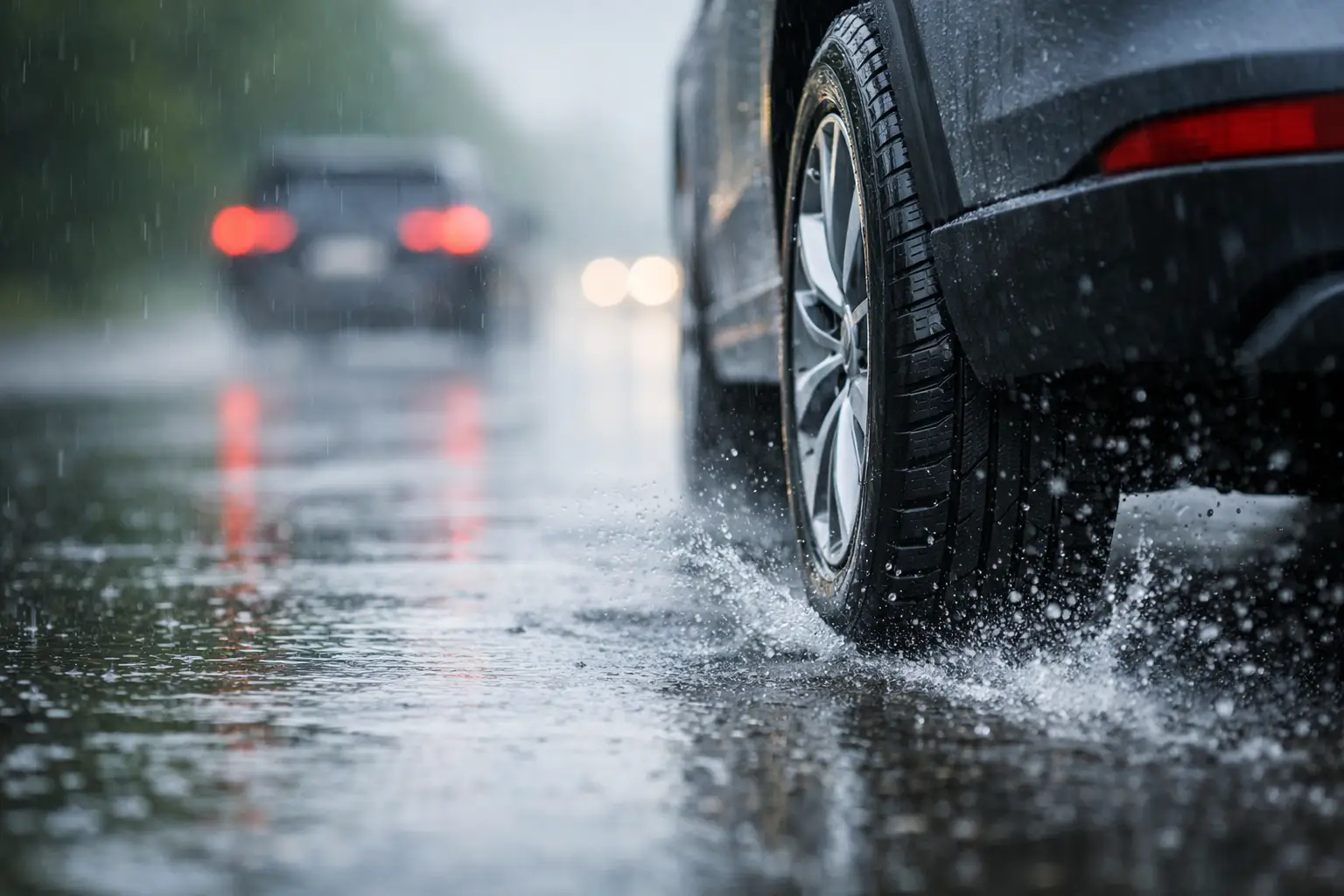
If you have ever felt your car go light over standing water on the A12 or on a damp roundabout first thing in the morning, you already know why the best tyres for wet roads UK drivers choose matter so much. In this country, wet grip is not a nice extra. It is one of the main things keeping your braking distances sensible and your car predictable when the weather turns.
The trouble is, many drivers buy tyres based on price, road noise, or whatever can be fitted quickest. Those things matter, but if you do most of your driving in British weather, wet performance should be near the top of the list. A tyre that feels fine in the dry can still struggle badly in heavy rain, especially once it starts to wear.
What makes a tyre good in the wet?
A good wet-weather tyre does two jobs at once. First, it has to clear water quickly so the tread can stay in contact with the road. Second, the rubber compound needs enough grip to hold on to a cold, wet surface when braking, steering, and accelerating.
That is why tread pattern matters. Wider grooves and clever channel designs help push water away from the contact patch. But tread design on its own is not enough. The rubber compound is just as important, because a tyre that goes hard in cooler temperatures will usually lose confidence in the wet.
This is also where the tyre label helps, up to a point. Wet grip ratings can give you a useful starting point, especially if you are comparing similar tyres. An A-rated tyre for wet grip should, in general, stop shorter than a lower-rated one. But labels do not tell you everything about real-world use, road surfaces, or how the tyre behaves once it has done a few thousand miles.
Best tyres for wet roads UK drivers should look for
If wet-weather safety is your priority, premium and upper-mid-range tyres usually perform best. They tend to offer better braking, better resistance to aquaplaning, and more stable handling when the road surface is greasy or flooded.
Tyres that regularly score well for wet roads tend to share a few traits. They have strong wet grip labelling, deep and well-shaped drainage channels, and compounds designed to work in the kind of cool, damp conditions we get for much of the year. Many also keep their performance better as they wear, which matters if you do decent mileage.
The catch is simple. The very best wet-weather tyres are not always the cheapest to buy. But tyres are one of the few parts on your car that affect every bit of braking, steering, and traction. Saving a small amount up front can cost you more in stopping distance and confidence later.
Premium tyres
If you regularly drive on fast A-roads, motorways, or poorly drained rural routes, premium tyres are often worth it. They usually deliver the best balance of wet grip, steering feel, and high-speed stability in rain.
They also tend to be quieter and more predictable in sudden weather changes. That matters when you hit a patch of standing water without much warning.
Mid-range tyres
A good mid-range tyre can be a sensible choice if you want dependable wet grip without paying top-end prices. Some mid-range options perform very well in British conditions and give everyday drivers exactly what they need – solid braking, decent aquaplaning resistance, and a comfortable ride.
This is often the sweet spot for family cars, commuting cars, and drivers who want clear value rather than the lowest possible price.
Budget tyres
Some budget tyres are acceptable for low-mileage local use, but this is where you need to be careful. Wet grip is often one of the first areas where cheaper tyres fall short. Braking distances can be longer, and they may lose confidence faster in heavy rain or on greasy junctions.
If your car carries family, does school runs, or spends time on dual carriageways, going too cheap on tyres is rarely a smart move.
Wet grip matters more than most drivers realise
The difference between an average tyre and one of the best tyres for wet roads UK motorists can buy is not just a bit of extra confidence. It can mean a noticeably shorter stopping distance in an emergency.
That matters most in everyday situations. A car pulls out. Traffic brakes suddenly. You come round a bend and find surface water sitting where you did not expect it. In those moments, tyre quality matters more than marketing claims or bargain prices.
It is also worth remembering that modern driver aids can only do so much. ABS and stability control help, but they cannot create grip that is not there. If the tyre cannot hold the road, the car’s systems are already working with one hand tied behind their back.
Should you choose summer, all-season or winter tyres?
For most UK drivers, this depends on how and where the car is used.
Summer tyres are still the standard choice for much of the year and many of the best ones perform very well in the wet. Despite the name, they are designed for warmer conditions than winter tyres, but good-quality summer tyres can still cope well with the typical British mix of rain and mild temperatures.
All-season tyres make sense if you want one set of tyres to cover wet roads, cooler temperatures, and the occasional frost without changing over twice a year. For many drivers in East Anglia, they are a practical option because winters are often damp and cold rather than heavily snowy.
Winter tyres come into their own when temperatures stay low and roads are icy, slushy, or snowy. They can also work very well in cold wet weather, but for drivers who mainly face rain rather than snow, all-season or high-quality summer tyres are often the better year-round fit.
The right answer depends on your mileage, storage space, and the roads you use most. There is no point fitting tyres meant for extreme winter conditions if your car mainly does short local trips in mild weather. On the other hand, if you are out early on untreated roads, your needs may be different.
How to tell when your wet-weather performance is dropping
Even a tyre that started life with excellent wet grip will lose performance as it wears. That is normal. The grooves get shallower, water clearance reduces, and the tyre becomes more likely to aquaplane.
Legally, tyres in the UK must have at least 1.6mm of tread across the central three-quarters, but waiting until that point is not a good idea for wet safety. Wet grip usually drops off well before the legal limit. Once tread gets low, braking distances in the rain can increase sharply.
There are other warning signs too. If the car feels nervous in heavy rain, struggles for traction pulling away, or seems less planted through wet bends, your tyres may be past their best even if they are still legal. Uneven wear is another problem, because it affects how the tyre meets the road and can make wet handling less predictable.
Fitting the right tyre is only half the job
A good tyre will not perform properly if the basics are wrong. Incorrect tyre pressures reduce contact with the road and can make aquaplaning more likely. Worn suspension parts can also upset stability in the wet, especially if the car feels floaty or unsettled over bumps.
Wheel alignment matters too. If the alignment is out, tyres can wear unevenly and lose their wet-weather edge sooner than they should. That is one reason a proper tyre check should not stop at tread depth alone.
If you are replacing tyres because the car feels unsafe in rain, it is worth making sure there is not another issue in the background. Sometimes the tyre is the problem. Sometimes it is worn shocks, poor alignment, or both.
Choosing the best tyres for wet roads UK conditions throw at you
The best choice comes down to how you drive. If you cover motorway miles in all weathers, buy the best wet-grip tyre your budget sensibly allows. If your driving is mostly local and lower speed, a well-chosen mid-range tyre may do the job perfectly well.
What you should not do is choose purely on price or assume all new tyres will feel the same in the rain. They will not. There can be a real gap in stopping power and control between tyre types, even when both are brand new.
If you are not sure what suits your car, get advice based on your actual use, not guesswork. A family hatchback doing school runs and weekend trips needs a different recommendation from a van doing constant stop-start mileage.
At AutoFix4u, we help local drivers choose tyres that match the car, the mileage, and the roads they actually use – with clear pricing and no surprise extras. If your current tyres are worn, uneven, or just not giving you confidence in the wet, get a quote and get them checked before the next spell of heavy rain catches you out.
A good wet-road tyre does not make headlines. It just helps you stop where you meant to, steer where you intended, and get home without drama.