
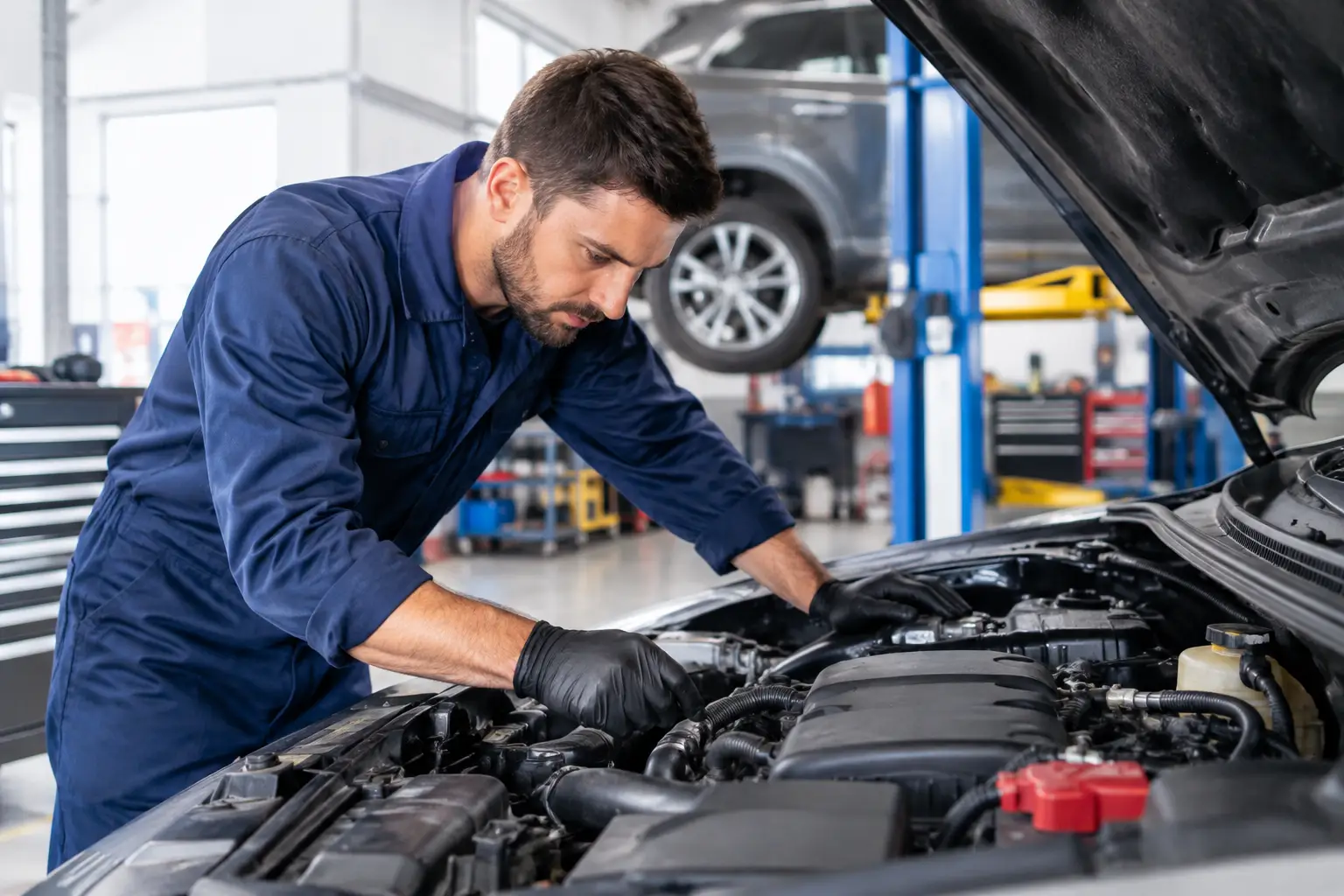
Car Servicing: What Your Vehicle Really Needs
Regular car servicing helps prevent breakdowns, expensive repairs and unexpected MOT problems. However, many drivers only think about servicing when a warning light appears or their car starts behaving differently.
Perhaps the engine struggles to start in the morning. Maybe the brakes make an unusual noise. Sometimes, the car simply feels less responsive than before.
These problems can develop gradually. Fortunately, routine maintenance helps identify wear and potential faults before they become more serious.
At AutoFix4u Garage Lowestoft, we focus on practical maintenance and clear advice. Every vehicle has different needs, so we consider its age, mileage, service history and driving conditions.
What car servicing actually includes
Car servicing involves more than replacing engine oil.
A proper service checks essential components, identifies developing problems and helps keep the vehicle reliable.
Most manufacturers recommend servicing at specific time or mileage intervals. However, these intervals vary between vehicles.
Some cars need an annual service. Others follow longer intervals or use flexible service reminders.
Therefore, always check your vehicle manufacturer’s recommendations.
Engine oil and oil filter
Engine oil lubricates moving components and helps control engine temperatures.
However, oil gradually collects contaminants and loses some protective properties.
Old oil can increase engine wear, particularly when drivers regularly make short journeys.
During an oil service, a technician drains the old oil and installs a suitable replacement filter. They then refill the engine with the correct oil specification.
Regular oil changes help protect the engine and support long-term reliability.
Air filter inspection
The engine needs clean air for efficient combustion.
An air filter traps dust, dirt and other particles before they enter the engine.
However, a heavily restricted filter can reduce airflow and affect performance.
Therefore, a technician should inspect the filter and replace it when necessary.
Cabin filter checks
The cabin filter helps remove dust and other airborne particles from incoming ventilation air.
Over time, debris can restrict airflow.
As a result, the heater and air conditioning may become less effective.
A blocked filter can also contribute to unpleasant smells or poor demisting.
Replacing it at the correct interval helps maintain ventilation performance.
Brake system inspection
Brakes are essential for vehicle safety.
During servicing, a mechanic checks accessible brake components for wear, corrosion and damage.
These checks may include brake pads, discs, hoses and visible fluid leaks.
For example, uneven pad wear can indicate a sticking caliper.
Similarly, damaged brake discs can cause vibration or reduced braking performance.
Therefore, early inspection can prevent smaller faults from becoming more expensive repairs.
If you notice unusual brake noises, visit our brake repair service in Lowestoft.
Interim, full and major car servicing
Different vehicles need different levels of maintenance.
Garages commonly offer interim, full and major services.
However, the exact work depends on the service schedule and the garage’s checklist.
Interim service
An interim service usually focuses on essential maintenance.
It often includes an engine oil change, oil filter replacement and several basic safety checks.
This option can suit drivers who cover higher mileage between full services.
However, it does not replace the manufacturer’s complete maintenance schedule.
Full service
A full service normally includes a broader inspection.
In addition to oil and filter changes, technicians check more components and maintenance items.
For example, they may inspect the brakes, tyres, suspension, steering and cooling system.
The service may also include additional filters when the manufacturer recommends replacement.
Major service
A major service usually covers more scheduled maintenance items.
Depending on the vehicle, this may include spark plugs, fuel filters or other parts.
However, not every vehicle requires the same components.
Therefore, the correct service should follow its maintenance history and manufacturer specifications.
Why regular servicing matters
Regular maintenance supports reliability, safety and vehicle performance.
It can also help prevent avoidable repair costs.
For example, technicians may identify a small coolant leak before the engine overheats.
Similarly, they may notice brake wear before it damages other components.
Servicing also provides a useful opportunity to inspect tyres, steering and suspension.
However, no service can guarantee that a vehicle will never develop a fault.
The main benefit is identifying problems early and maintaining components correctly.
Signs your car needs attention
Your car may need checking before its next scheduled service.
Warning signs often develop gradually.
Therefore, pay attention when the vehicle starts behaving differently.
Common signs include:
- Slow engine starting
- Unusual engine noises
- Reduced acceleration
- Brake squealing or grinding
- Steering wheel vibration
- Uneven tyre wear
- Fluid leaks
- Increased fuel consumption
- Engine warning lights
- Unusual exhaust smoke
These symptoms can have several causes.
For example, slow starting may indicate a weak battery or charging fault.
However, an engine warning light can point towards sensors, emissions components or other systems.
Therefore, proper testing matters before replacing parts.
If a warning light appears, our engine diagnostics service can help identify the cause.
How short journeys affect car maintenance
Many drivers around Lowestoft make frequent short trips.
School runs, local shopping and short commutes can place particular demands on a vehicle.
During these journeys, the engine may not reach its normal operating temperature for long.
As a result, moisture and contaminants can accumulate in engine oil.
Also, repeated starting uses battery power.
Short journeys may not give the charging system enough time to restore the battery’s charge fully.
Diesel vehicles face another challenge.
Their diesel particulate filters need suitable conditions to complete regeneration.
However, repeated short journeys can interrupt this process.
Consequently, soot may accumulate inside the DPF.
If a warning light appears, do not assume a longer drive will solve the problem.
A faulty sensor or another engine issue may prevent regeneration.
Read our blocked DPF symptoms guide to understand the warning signs.
Tyre checks during car servicing
Tyres affect braking, steering and road safety.
Therefore, routine servicing should include a visual tyre inspection.
A mechanic can check tread depth, general condition and signs of uneven wear.
In the UK, passenger car tyres must have at least 1.6 mm of tread across the central three-quarters of the tread width and around the entire circumference.
However, you should not wait until a tyre reaches the legal limit before checking its condition.
Cuts, bulges and exposed cords can make a tyre unsafe.
Uneven wear may also indicate suspension or alignment problems.
Therefore, replacing the tyre alone may not resolve the underlying cause.
If your tyres need attention, see our tyre fitting service in Lowestoft.
Battery and charging system checks
Battery problems often appear during colder weather.
However, age, short journeys and electrical faults can cause problems throughout the year.
A weak battery may produce slow starting or unusual dashboard warnings.
Also, a faulty alternator can prevent the battery from charging correctly.
Therefore, a battery test can help distinguish between a worn battery and a charging fault.
A technician may also check the terminals and electrical connections.
This helps avoid replacing a battery when the real problem lies elsewhere.
Cooling system maintenance
The cooling system helps the engine operate within its normal temperature range.
It relies on coolant, hoses, a radiator, a water pump and other components.
However, leaks or component failures can cause overheating.
During servicing, a mechanic can inspect accessible hoses and check the coolant level and condition.
A low coolant level may indicate a leak.
Therefore, repeatedly topping up coolant without investigating the loss is not a lasting solution.
If the engine starts overheating, stop somewhere safe and switch it off.
Never remove a pressurised coolant cap while the engine is hot.
Cambelt and timing chain maintenance
Some maintenance tasks follow separate schedules.
For example, many manufacturers specify cambelt replacement after a particular number of miles or years.
However, the interval varies considerably between engines.
A failed cambelt can cause serious engine damage.
Therefore, check the manufacturer’s schedule rather than waiting for obvious wear.
Timing chains also require attention when symptoms appear.
Unusual rattling, poor running or engine fault codes may indicate a problem.
However, these symptoms do not prove the timing chain has failed.
A proper inspection should identify the cause.
Car servicing and MOT preparation
Regular servicing can help identify problems before an MOT.
For example, technicians may notice worn tyres, damaged lights or deteriorating brake components.
They may also identify suspension wear or fluid leaks.
However, servicing and MOT testing are different.
An MOT assesses whether the vehicle meets the required standards on the test date.
A service focuses on maintenance and manufacturer recommendations.
Therefore, passing an MOT does not mean the car has received all necessary servicing.
Likewise, completing a service does not guarantee an MOT pass.
Both play important roles in vehicle maintenance.
How often should you service your car?
The correct interval depends on the vehicle.
Always follow the manufacturer’s maintenance schedule.
However, several factors can influence how often your car needs attention.
These include:
- Annual mileage
- Vehicle age
- Engine type
- Frequent short journeys
- Heavy loads or towing
- Previous service history
- Manufacturer recommendations
For example, a car that regularly makes short journeys may require more frequent oil maintenance than one used mainly for longer trips.
Therefore, discuss your driving habits when booking a service.
Why choosing the correct service saves money
The cheapest service is not always the best value.
However, paying for unnecessary maintenance is not sensible either.
A good garage should explain what the manufacturer recommends and which components need attention.
Some repairs require immediate action.
Others can wait until the next scheduled maintenance visit.
For example, unsafe brake components need urgent attention.
However, a filter that remains within its replacement interval may not need changing immediately.
Clear explanations help you make informed decisions.
At AutoFix4u, we aim to identify genuine maintenance needs without recommending unnecessary parts.
Book car servicing in Lowestoft
Regular car servicing helps protect your vehicle and reduce the risk of unexpected problems.
Whether you need an oil change, routine maintenance or a more detailed inspection, the correct approach starts with your vehicle’s service schedule.
At AutoFix4u Garage Lowestoft, we help drivers maintain their cars with practical advice and clear repair recommendations.
We serve customers from Lowestoft, Oulton Broad, Carlton Colville, Kessingland, Beccles and surrounding areas.
Before starting additional repair work, we explain our findings and discuss the next steps.
Contact AutoFix4u Garage Lowestoft
Address: Unit 4, 10 Battery Green Road, Lowestoft, NR32 1DE
Phone: 07778 979802
WhatsApp: Message AutoFix4u Garage
Contact: Request a servicing appointment
If your service is due or your car has developed an unusual symptom, contact our garage.
Book a service before a small maintenance issue becomes a costly repair.


