
✅ 1. Follow the Recommended Service Schedule
-
Stick to your vehicle manufacturer’s maintenance intervals for oil changes, filters, spark plugs, and timing belts.
-
Regular servicing helps detect early issues and keeps your engine running efficiently.
🛢️ 2. Change Engine Oil and Filter Regularly
-
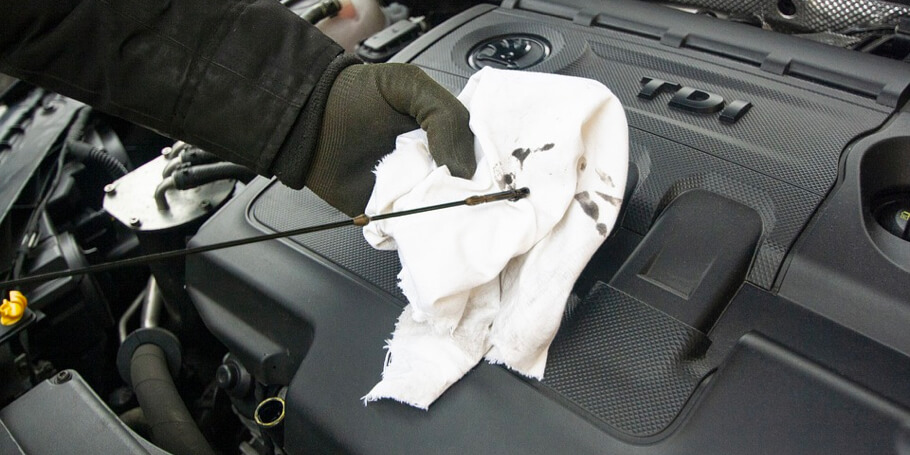
Oil lubricates and cools the engine—neglecting it leads to excess wear and potential engine failure.
-
Use the correct oil type and grade for your vehicle, and replace the oil filter with every oil change.
🌬️ 3. Replace the Air Filter as Needed
-
A clogged air filter can reduce airflow to the engine, causing it to run rich and inefficiently.
-
Replace it every 12,000–15,000 miles, one a year or more often in dusty environments.
🌡️ 4. Keep the Cooling System in Check
-
Overheating is a major cause of engine damage.
-
Regularly check coolant levels and inspect for leaks, especially in hoses and the radiator.
-
Flush and replace coolant as recommended by your service manual.
🚗 5. Warm Up the Engine Gently
-
Avoid revving the engine hard just after starting, especially in cold weather.
-
Allow a few minutes of gentle driving to let oil circulate and reach optimal temperature.
🛞 6. Drive Smoothly and Responsibly
-
Aggressive driving (fast acceleration, heavy braking, high RPMs) puts unnecessary strain on engine components.
-
Smooth, steady driving extends engine life and improves fuel efficiency.
⛽ 7. Use High-Quality Fuel
-
Use the recommended octane rating for your engine.
-
Avoid low-grade or contaminated fuel, which can lead to carbon build-up and knocking.
🧪 8. Watch for Leaks and Warning Signs
-
Check under the vehicle for oil, coolant, or fuel leaks.
-
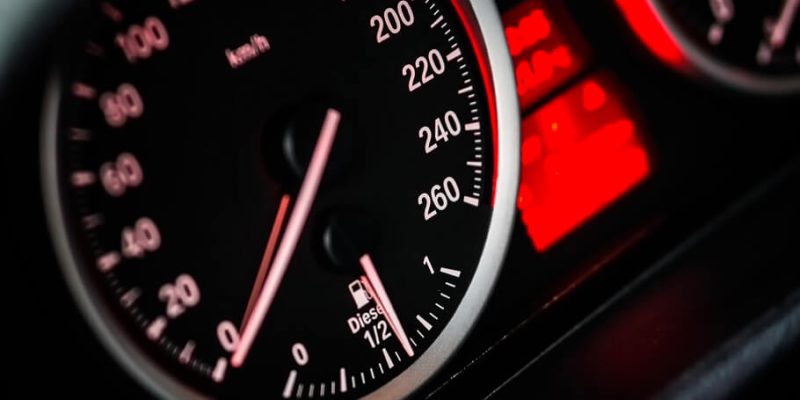
Don’t ignore dashboard lights like Check Engine, Oil Pressure, or Coolant Temperature—address them immediately.
🪫 9. Keep the Battery in Good Condition
-
A weak battery can stress the engine’s electrical systems.
-
Ensure clean terminals and proper voltage, especially in winter.
🧼 10. Keep the Engine Clean
-
A clean engine bay makes it easier to spot leaks and prevents dirt from damaging components.
-
Avoid high-pressure washing—opt for professional engine cleaning when needed.
📅 Bonus Tip: Schedule Annual Engine Diagnostics
Modern engines have complex electronics. A yearly scan can detect early faults and improve performance.
⚠️ Reminder:
If you notice odd noises, reduced power, smoke, or warning lights, have your engine inspected by a professional mechanic right away.